Voice Plugs
FAQs
Voice plugs are connectors used to terminate or link telephone and voice cabling in communication systems. They provide the interface between telephone devices, patch panels, sockets, and network cabling. Common examples include BT-style plugs (used in traditional UK telephony) and RJ modular plugs (used for global telecom and data applications). They ensure secure, low loss signal transmission across voice networks in both residential and commercial installations.
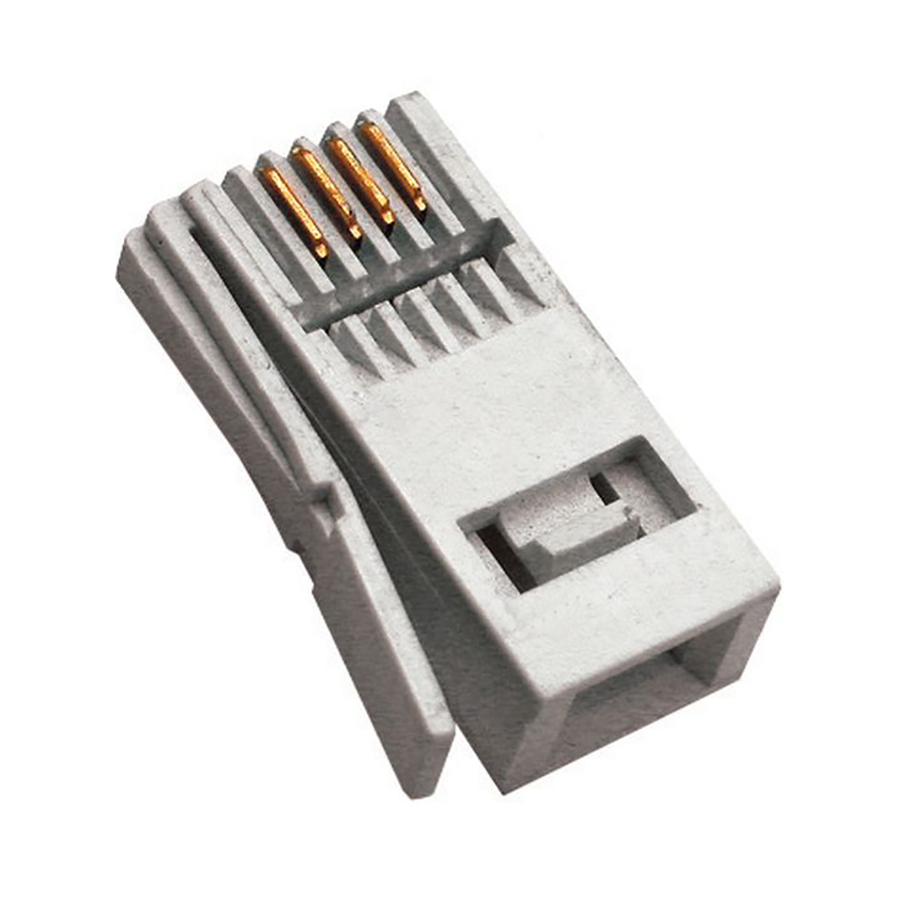
BT-style plugs, also known as 431A or 631A plugs, are the standard connectors used for UK telephone systems, typically connecting handsets, base units, or wall sockets.
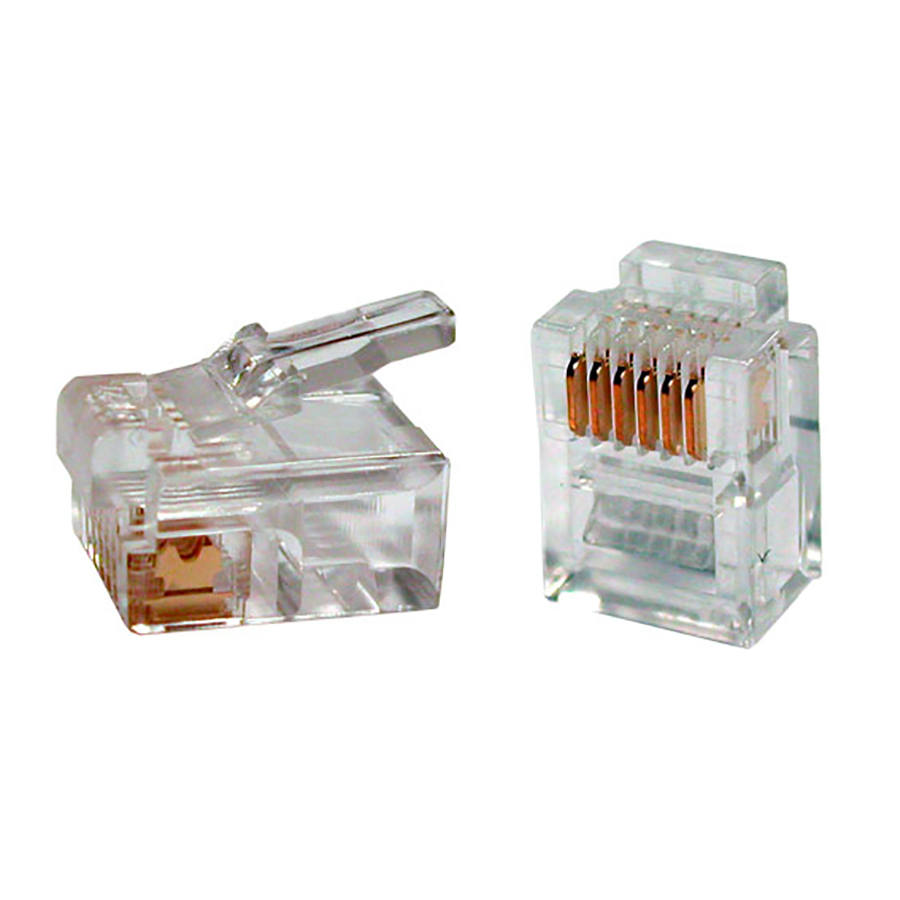
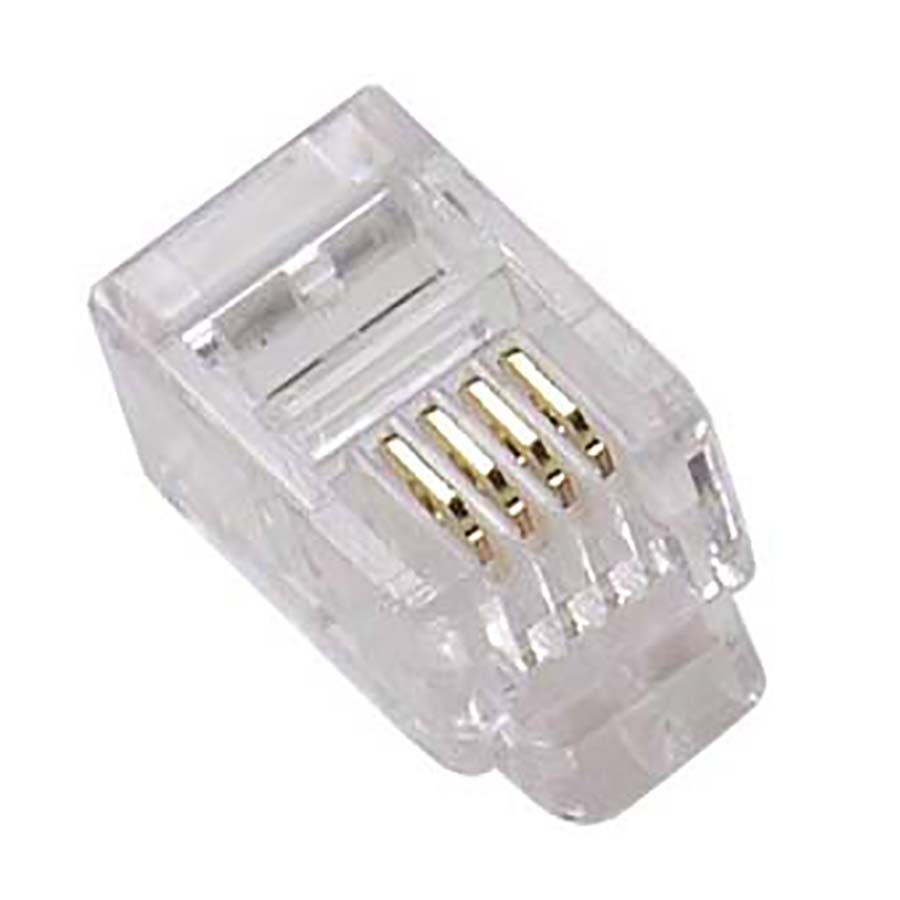
RJ modular plugs, include RJ11, RJ12, and RJ45 connectors, are used for telephony, PBX, and data network applications. RJ11 is most common for single-line telephones, while RJ45 is used for structured cabling that carries both voice and data.
The choice depends on your network type, region, and equipment compatibility.
When selecting a voice plug, consider:
- Connector type, match your cable and socket type (BT, RJ11, RJ12, or RJ45).
- Cable type, choose plugs designed for solid core or stranded cable, depending on your installation.
- Application, RJ modular plugs suit modern data or IP systems, while BT plugs are ideal for standard analogue telephone lines.
- Compatibility, ensure the plug matches your existing faceplates, sockets, or distribution equipment.
- Installation method, some plugs require crimping tools, while others are pre-terminated for easy plug-and-play use.
Benefits include:
- Reliable connectivity, ensures clear signal transmission with minimal interference or crosstalk.
- Durability, precision moulded connectors resist wear from frequent plugging and unplugging.
- Compatibility, universally accepted across telecom and network hardware.
- Ease of installation, quick, tool assisted or pre-terminated options reduce installation time.
- Professional finish, helps maintain clean, organised, and compliant cabling systems.