We use cookies to make your experience better. To comply with the new e-Privacy directive, we need to ask for your consent to set the cookies. Learn more.

Shop By Category
-
Copper & Fibre Test Kits

-
Copper Data Cabling Test Equipment

-
Distance Measuring

-
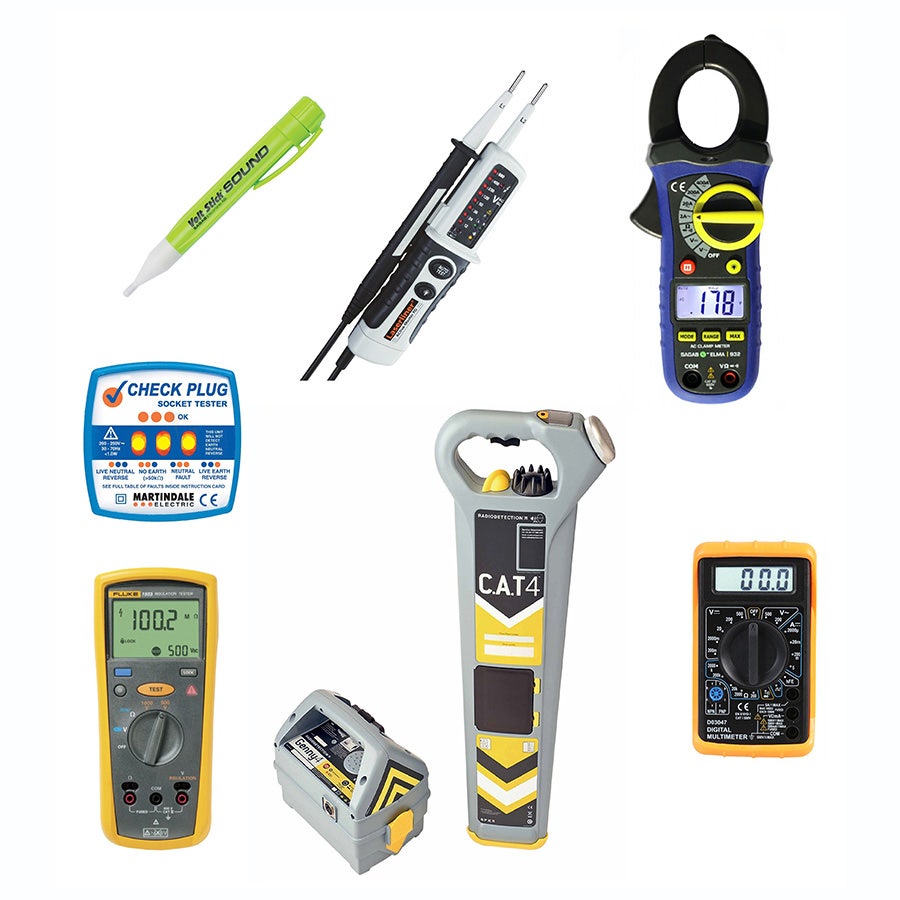
Electrical Testing
-
Environmental Testing

-
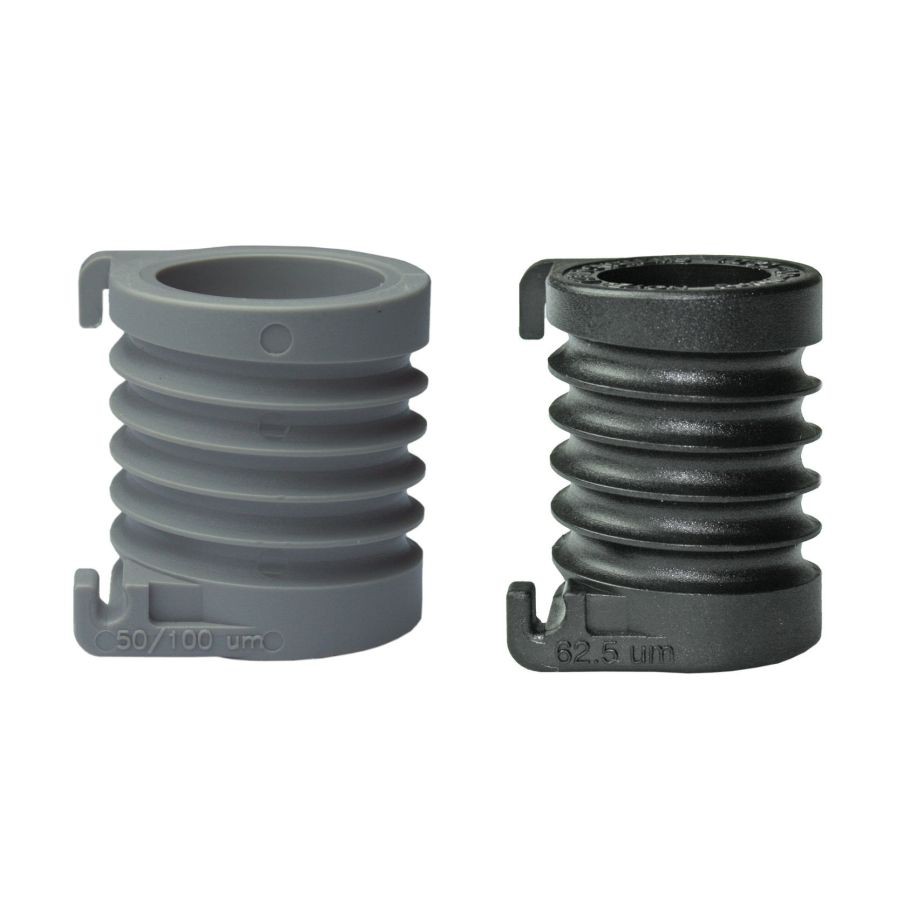
Fibre Cabling Test Equipment

-
Gas Detection

-
HDMI Cable Testers

-
IoT Testing

-
Network Testers

-
RF Monitoring

-
Security Test Equipment

-
TV Signal Meters

-
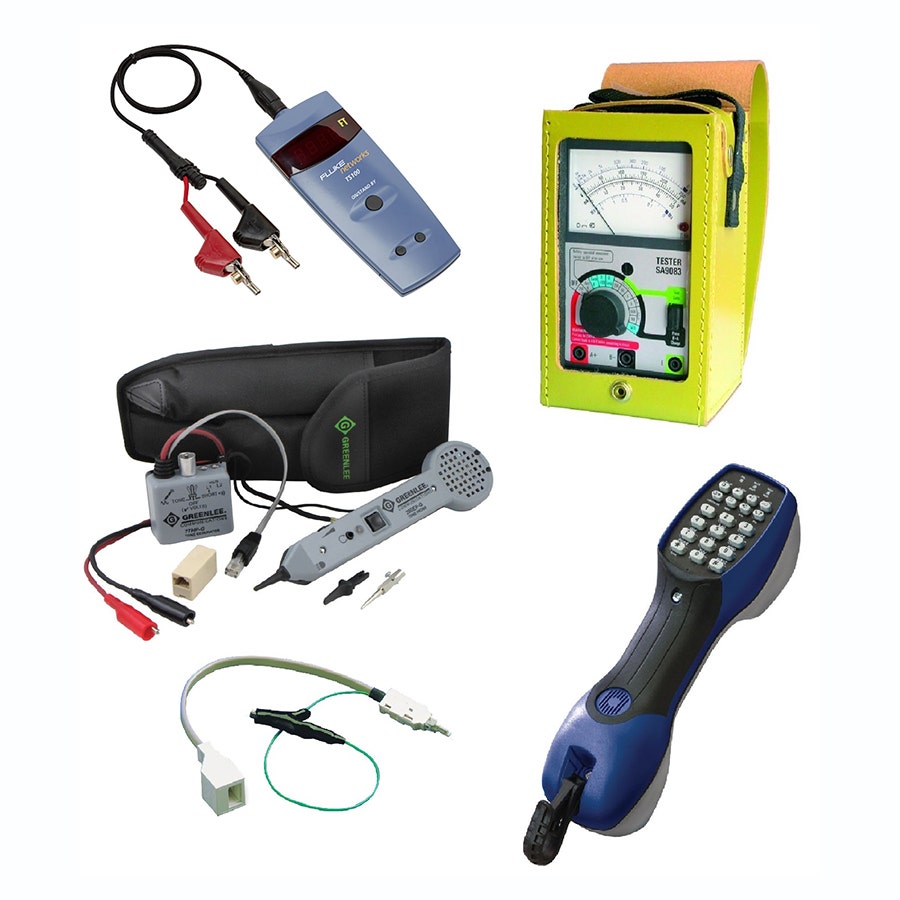
Voice Test Equipment
-
WiFi Survey & Test

Shop By Product
-
CLEARANCE











Our extensive inventory includes products from leading vendors such as AFL, Fluke Networks, Trend Networks, and VIAVI, ensuring that you have access to reliable and accurate testing solutions.
Whether you're installing, maintaining, or troubleshooting networks, electrical systems, or communication infrastructure, Netceed has the right test and measurement tools to help you get the job done efficiently and effectively.
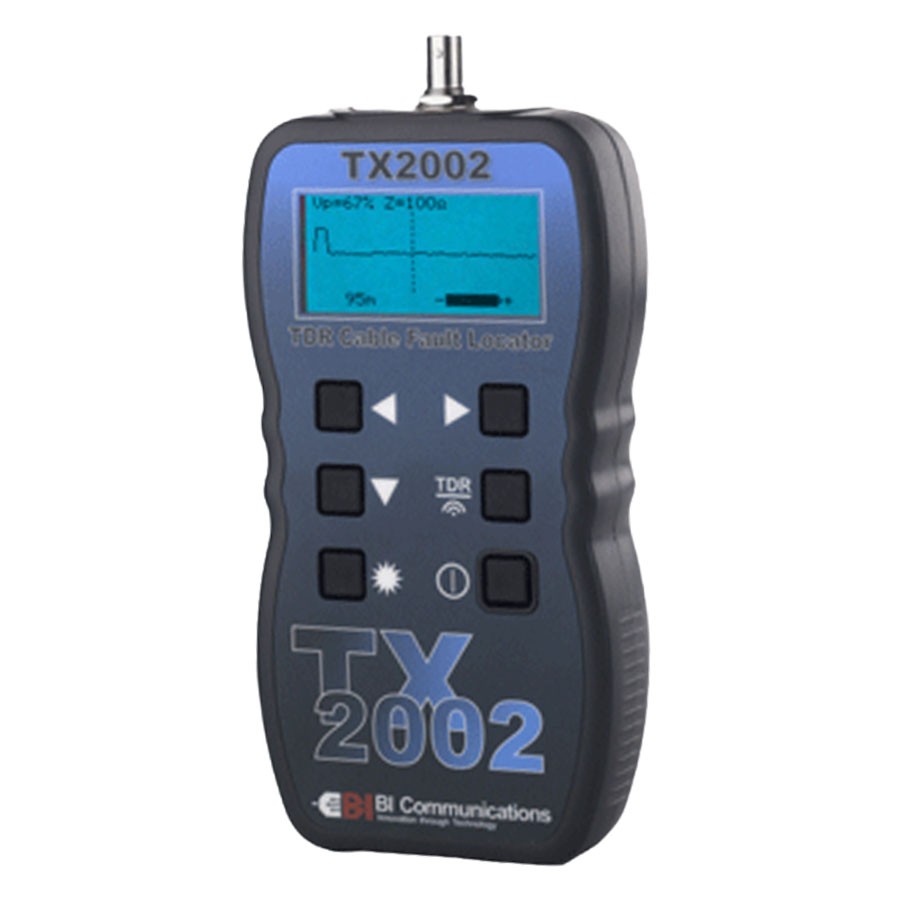
Our range of diagnostic equipment is designed to help you quickly identify and locate faults, optimise system performance, and ensure compliance with industry standards and regulations.
Netceed's knowledgeable team is dedicated to providing expert guidance and technical support to help you select the right test, measurement, and diagnostic equipment for your specific requirements. We can assist with product selection, application advice, and troubleshooting, ensuring that you get the most out of your investment in testing technology.