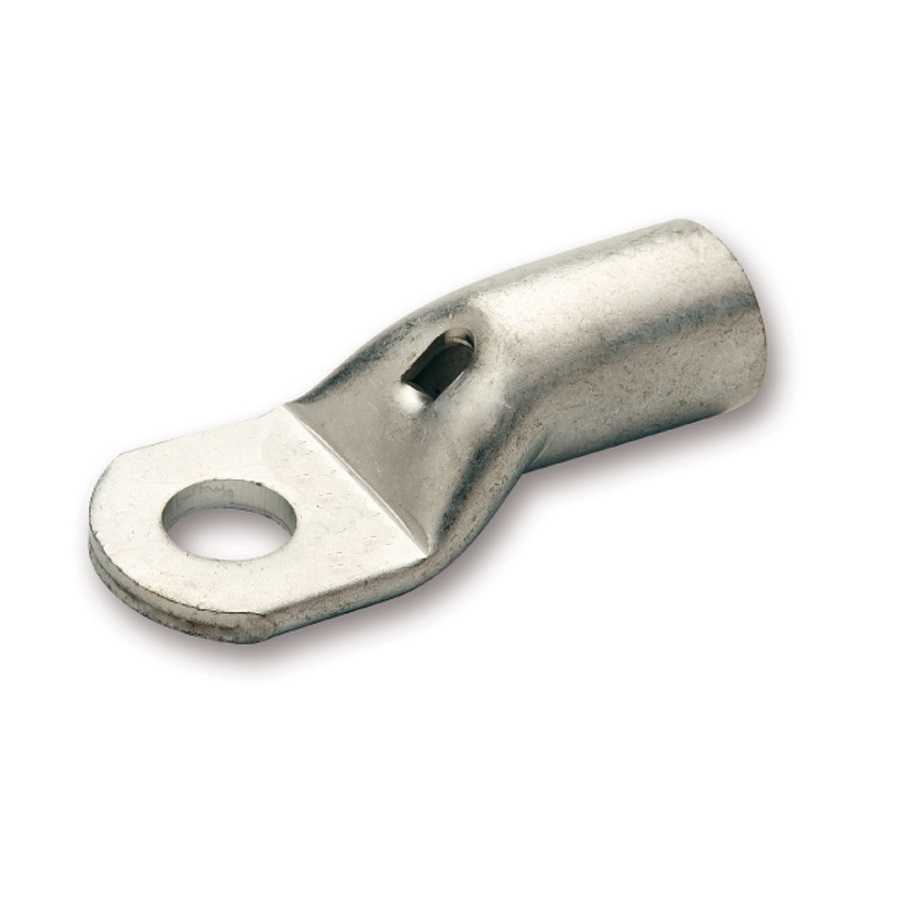
Terminals & Lugs
FAQs
Terminals and lugs are connectors used to secure, protect, and terminate cables and wires, enabling safe connection to devices, distribution blocks, circuit breakers, or UPS systems. They ensure reliable electrical contact, prevent loose connections, and reduce wear and corrosion over time. Using proper terminals/lugs is critical for safety, especially where cables meet metal chassis, busbars, or other fixed components.
Common types include:
- Insulated ring terminals, used when a secure bolted or screwed connection is needed; ideal for earth/ground wires or where vibration is possible.
- Insulated pin terminals are useful for insertion into block terminals or quick-connect strips; convenient for neat terminations.
- Uninsulated crimp lugs for high current connections, heavy cables, or where insulation is provided by other means (e.g. heat shrink).
- Uninsulated pin terminals for soldered or welded connections, or applications requiring minimal bulk.
- Terminal strips/blocks allow connecting multiple wires in a modular, organised way (especially useful in control panels or UPS systems).
- Crimp kits & tools like crimping pliers, ferrules, and sleeves used to properly crimp terminals for reliable, long term connections.
Choosing the correct terminal type helps ensure secure, safe, and maintenance friendly wiring.
When selecting a terminal or lug, consider:
- Cable conductor size (AWG or mm²): Terminals must match the wire gauge to ensure proper crimping and safe current load.
- Connection type: Use ring terminals for bolted connections, pin terminals for terminal blocks, uninsulated lugs for high current or chassis grounds.
- Insulation/protection needs: For exposed connections or where short risk exists, insulated terminals are safer.
- Application environment: For vibration or outdoor installations, choose heavy duty or insulated, weather resistant terminals.
- Compliance with standards: Use terminals rated for required voltage and current, and ensure crimp tools are adequate for the terminal type.
Matching terminal type to load, cable size, and mounting method ensures a dependable, safe installation.
To ensure safe, reliable connections:
- Always strip the cable to the correct length, avoid over stripping or damaging conductor strands.
- Use a proper crimping tool or plier, hand twisting or soldering alone is often not enough.
- For insulated or uninsulated terminals, ensure good mechanical and electrical contact, then apply insulation (shrink tubing) or heat-shrink sleeve if required.
- For ring terminals, tighten bolts to correct torque and use flat washers if recommended.
- Regularly inspect connections for corrosion or loosening, especially in high vibration or outdoor environments.
- Label or colour code connections if multiple circuits or wires run close together to help with maintenance.
- Always disconnect power before crimping or replacing any lugs or terminals.
Proper installation and maintenance practices significantly reduce the risk of electrical faults and improve the longevity of installations.