Cable Tray System
FAQs
Cable tray systems are support structures designed to carry and organise electrical, data, and fibre optic cables. They provide a safe pathway for cabling in commercial, industrial, and data centre environments. Trays keep cables off the floor, maintain separation from other services, and allow for better airflow, organisation, and future expandability compared to traditional conduits.
A complete tray system includes:
- Straight tray lengths for the main cable runs.
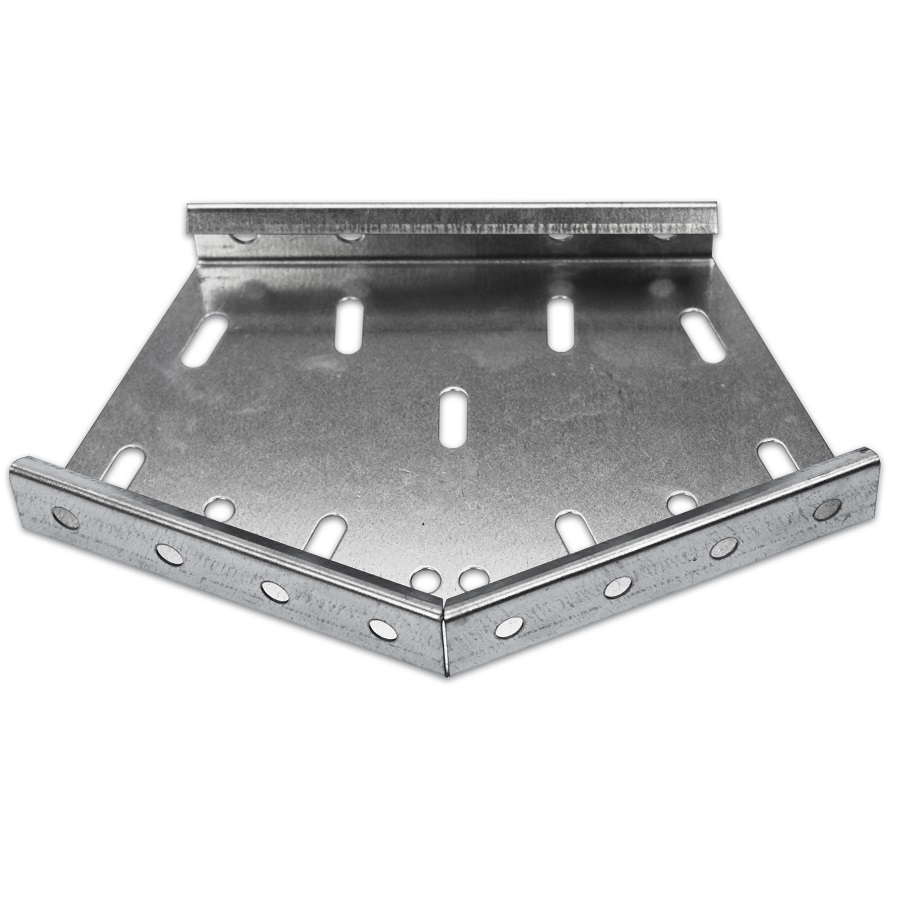
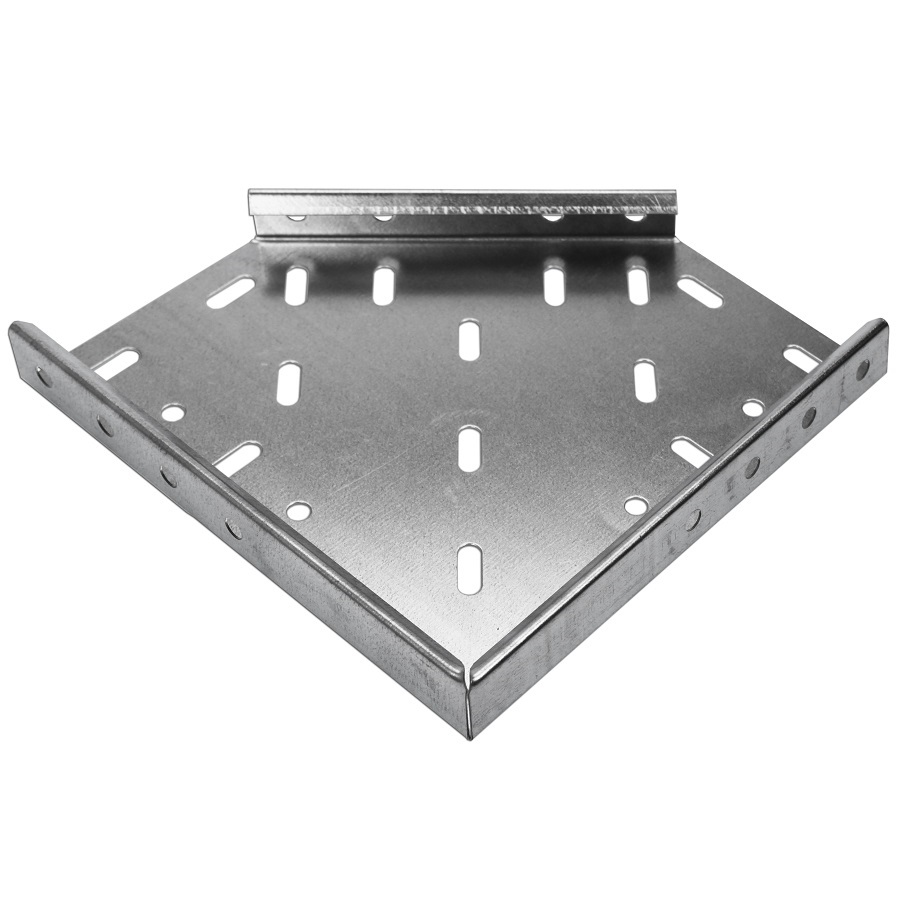
- Bends, tees, and risers for routing cables around corners, junctions, or height changes.
- Brackets and supports to fix trays to ceilings, walls, or underfloors.
- Couplers and fixings for joining tray sections securely.
- Earthing straps to ensure proper grounding and electrical safety.
When selecting trays and accessories, consider:
- Cable volume and weight, choose tray widths and load ratings to support current and future needs.
- Environment, like indoor, outdoor, corrosive, or industrial environments may require galvanised steel, stainless steel, or coated finishes.
- Installation layout, plan for bends, tees, and risers to match building routes.
- Standards compliance, ensure the tray system meets relevant building and safety regulations.
Accessories include:
- Couplers and fixings to provide secure connections between tray sections.
- Brackets and suspension kits ensure proper load bearing support.
- Earthing straps maintain electrical continuity for safety compliance.
- Dividers and covers for separating power and data cables or protecting cables from dust and debris.