Batteries & Chargers
FAQs
Netceed supplies several types of batteries suitable for tools, test equipment, site gear, and everyday electronics:
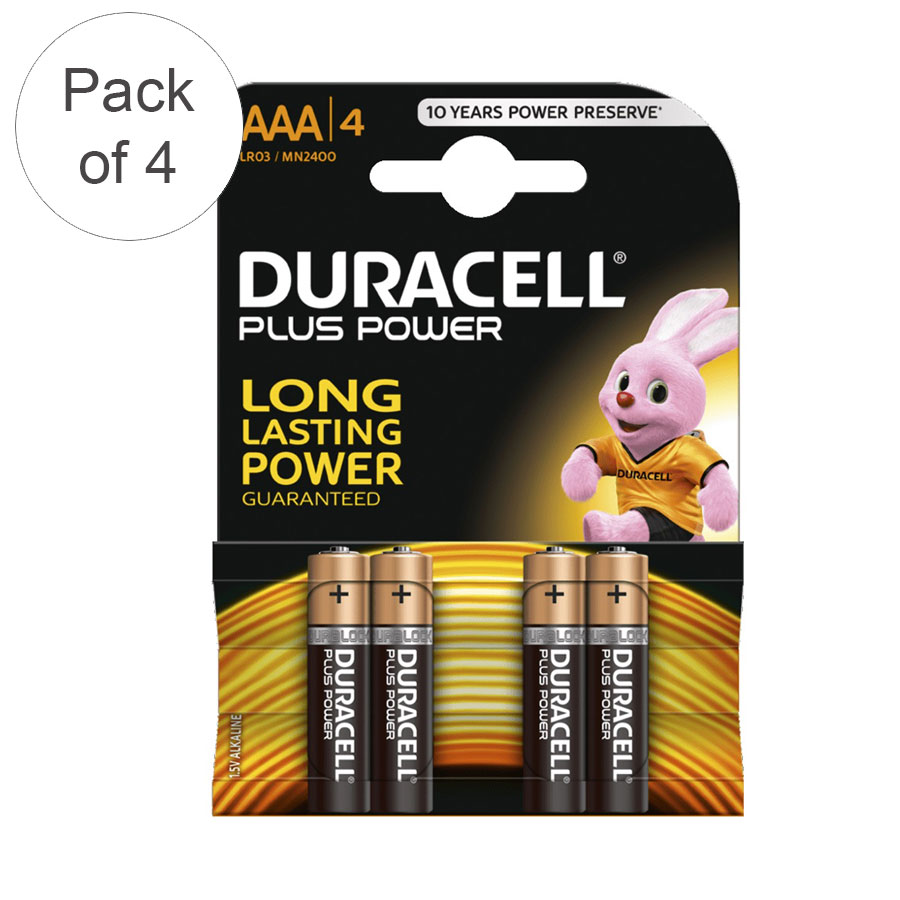
- Alkaline batteries are long lasting, dependable power for remote controls, test tools, small torches, meters, and general equipment.
- Lithium polymer (Li-Po) battery packs are high capacity rechargeable packs used in advanced test instruments, field devices, IoT equipment, portable lighting, and specialist communications gear.
- Zinc carbon batteries are cost effective batteries for low drain devices such as simple meters, small flashlights, and basic electronics.
- Rechargeable battery packs are suitable for engineers who frequently use handheld test equipment, power tools, or field devices.
Different battery chemistries are suited to different power demands, runtimes, and usage cycles.
Key factors to consider include:
- Power demand, high drain devices (test kits, powerful torches, wireless tools) perform better with alkaline or lithium polymer batteries. Low drain devices work fine with zinc carbon.
- Runtime requirements, if you need long runtime or frequent daily use, choose alkaline or rechargeable Li-Po packs.
- Environmental conditions, lithium chemistries operate better in cold or harsh conditions, making them ideal for outdoor telecom work.
- Rechargeability, for regularly used equipment, rechargeable packs reduce cost and waste.
Selecting the right chemistry ensures dependable power and optimal performance for field equipment.
Chargers for both standard batteries and device specific battery packs include:
- Universal battery chargers for AA/AAA/C/D/9V rechargeable cells.
- Specialist chargers for lithium polymer packs used in test instruments and field devices.
- USB and multi port chargers are ideal for powering testers, portable lights, handheld devices, and accessories on-site.
When selecting a charger, ensure:
- It is compatible with your battery chemistry (NiMH, Li-ion, Li-Po, etc.)
- It provides correct voltage and charge current
- It includes safety features such as overcharge protection
- It suits your work style (portable, desktop, or multi-device charging)
Using the correct charger maximises battery life and ensures safe operation.
To maximise performance and safety:
- Store batteries in a cool, dry place away from direct sunlight.
- Avoid mixing old and new batteries or different chemistries in the same device.
- Remove batteries from devices not used for long periods to prevent leakage.
- For lithium polymer packs, recharge periodically to avoid deep discharge.
- Keep battery contacts clean and free from corrosion.
- Use only compatible chargers and avoid leaving devices charging unattended.
Adhering to these guidelines extends battery life and protects your equipment.