Hammers
FAQs
Hammers are essential for a wide range of installation, fixing, and assembly tasks in electrical, construction, and telecom environments. Common hammer types include:
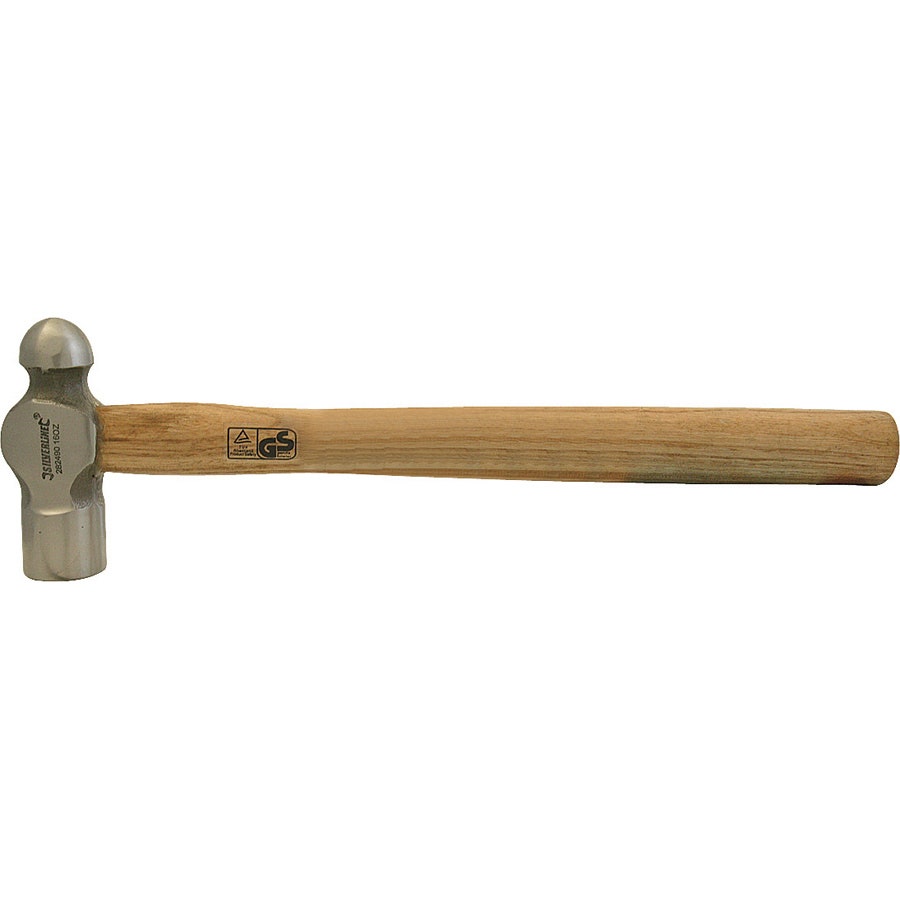
- Ball pein hammers are ideal for metalwork, shaping, and driving chisels.
- Claw hammers combines a striking face with a claw for nail removal and light construction.
- Club hammers are used for heavy duty work, such as chiselling or breaking small masonry.
- Joiner’s hammers are a lghtweight hammer for fine woodworking and assembly tasks.
- Multi purpose hammers are versatile tool for general on-site applications.
- Paving maul or sledge hammers are for breaking concrete, driving stakes, or installing heavy fixings.
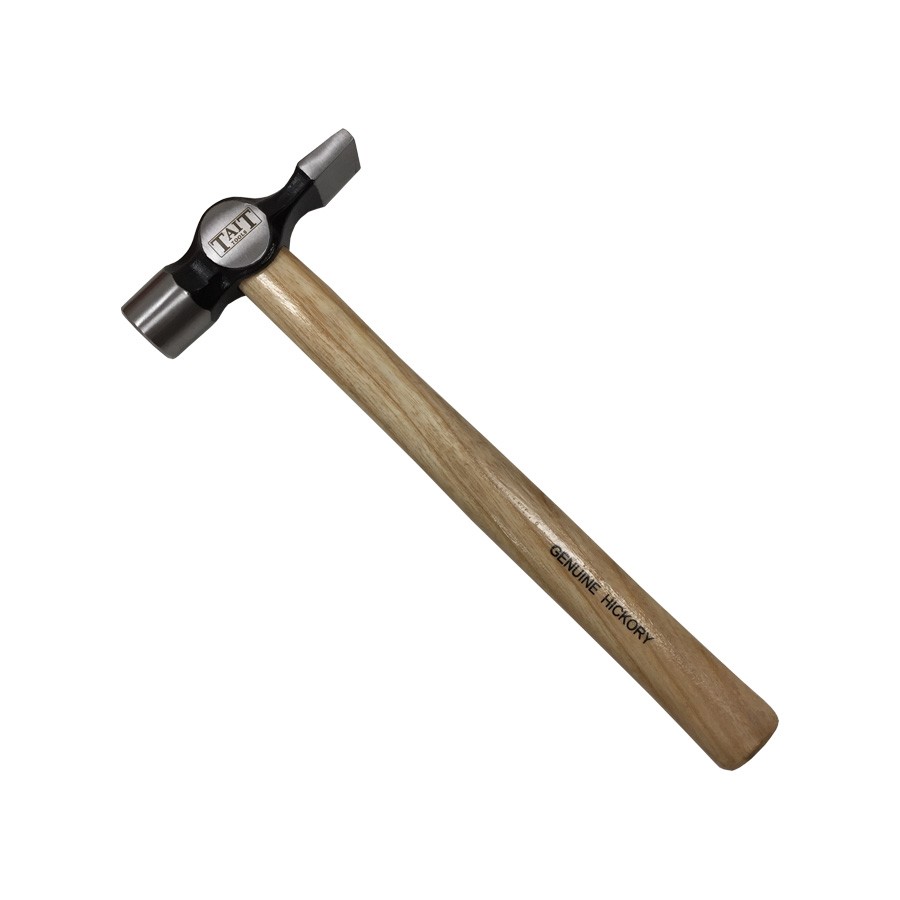
- Pin hammers are precision hammers for small fixings and electrical hardware.
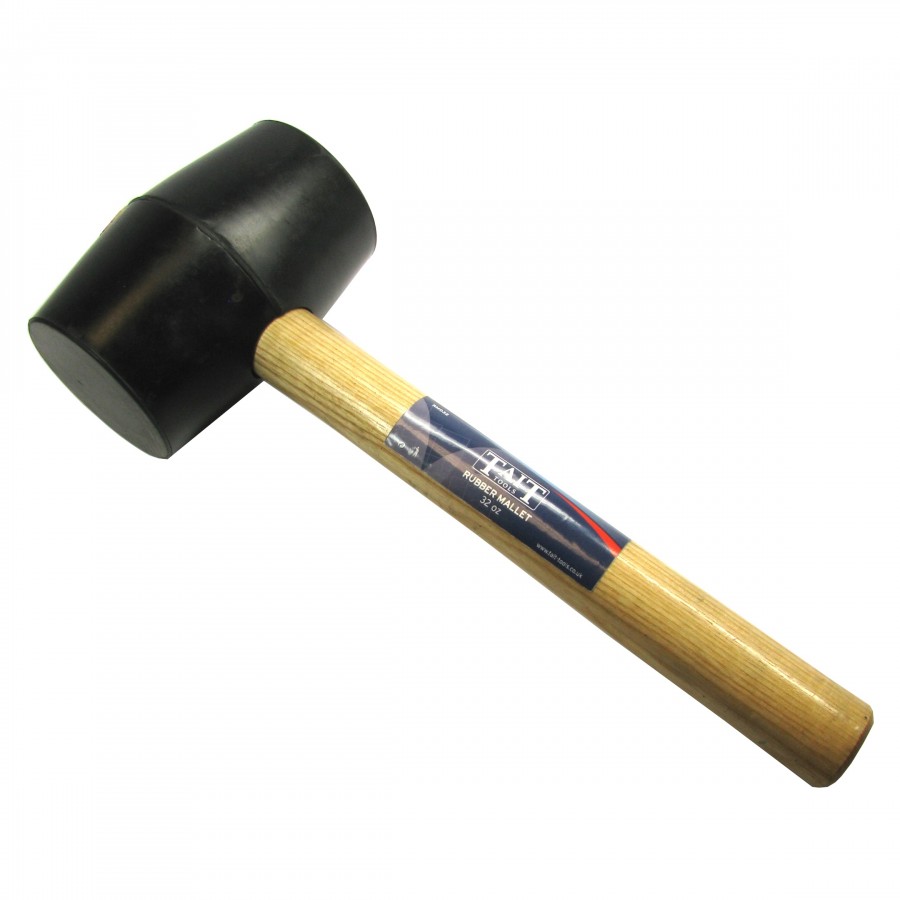
- Rubber mallets provide a non-marking strike, ideal for delicate materials or surface protection.
Each hammer is designed to deliver the right balance of power, control, and precision for specific installation jobs.
When selecting a hammer, consider the following:
- Application type, atch the hammer weight and head design to the job (e.g., light joinery vs. heavy demolition).
- Head material, choose forged steel for durability or rubber/soft face for surface protection.
- Handle type, options include wood, fibreglass, or steel shafts with anti vibration grips for comfort.
- Work environment, in confined areas, shorter handled hammers provide better control; in outdoor or heavy duty applications, long handled models deliver greater impact.
- Safety, ensure the hammer head is securely fitted and inspect regularly for wear or cracks.
Selecting the correct hammer improves accuracy, reduces fatigue, and enhances job safety.
Benefits include:
- Durability, forged and heat treated steel heads resist wear and deformation.
- Safety, ergonomic, non-slip grips reduce vibration and the risk of injury.
- Precision, balanced weight distribution ensures controlled and consistent strikes.
- Efficiency, designed to deliver more power with less effort.
- Versatility, suitable for various materials including wood, metal, masonry, and plastic.
Professional hammers are built to withstand daily use in demanding environments, providing long lasting performance for installers and engineers.
You should:
- Inspect regularly for loose heads, cracks, or damaged handles.
- Keep clean and dry to prevent rust or corrosion.
- Sharpen or dress faces of metal hammers when necessary to maintain performance.
- Store securely in toolboxes or racks to prevent accidental damage or injury.
- Avoid misuse, never use a hammer on hardened steel unless designed for it, and select the correct tool for each job.
Proper maintenance ensures safety, longevity, and consistent performance across all hammer types.