Tapes
FAQs
Tapes are essential for insulating, sealing, securing and marking cables, ducts, and site areas. Common types include:
- Adhesive rubber tapes for moisture sealing and electrical insulation
- Cabling adhesive tapes for bundling and securing data or fibre cables
- Conductive tapes for EMI/RFI shielding in telecoms and data environments
- Double sided tapes for mounting components, trunking or signage
- Hazard & barrier tapes for site marking and restricted area identification
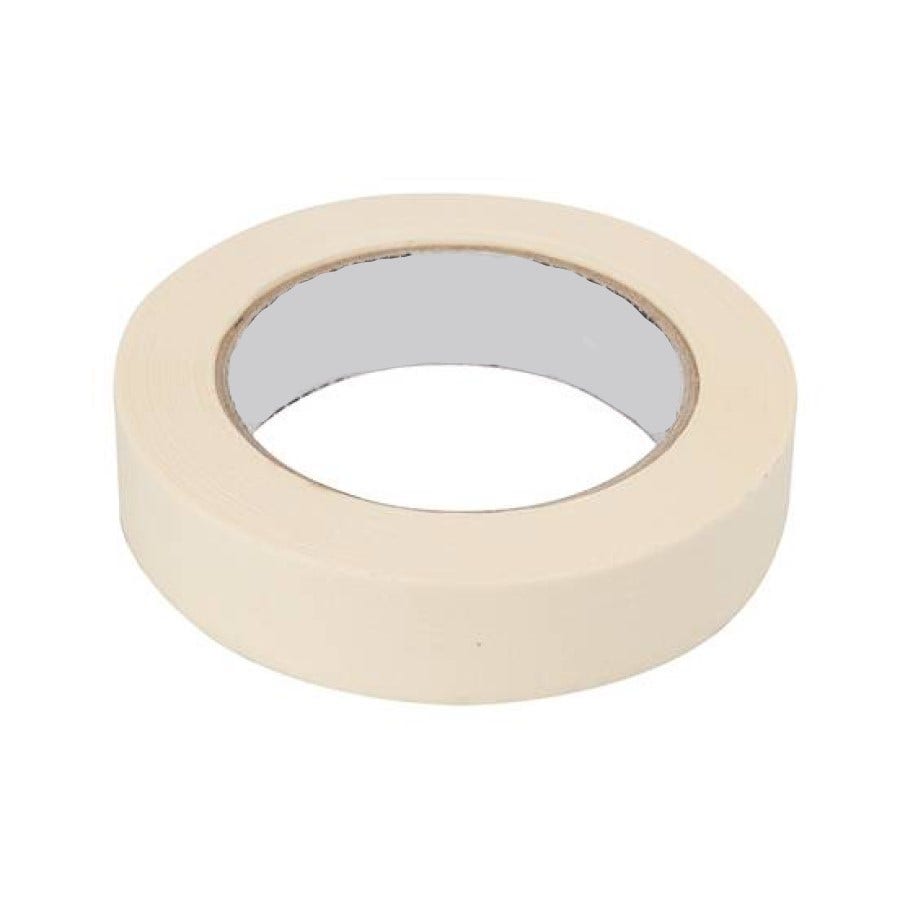
- Masking tapes for temporary surface protection during painting or drilling
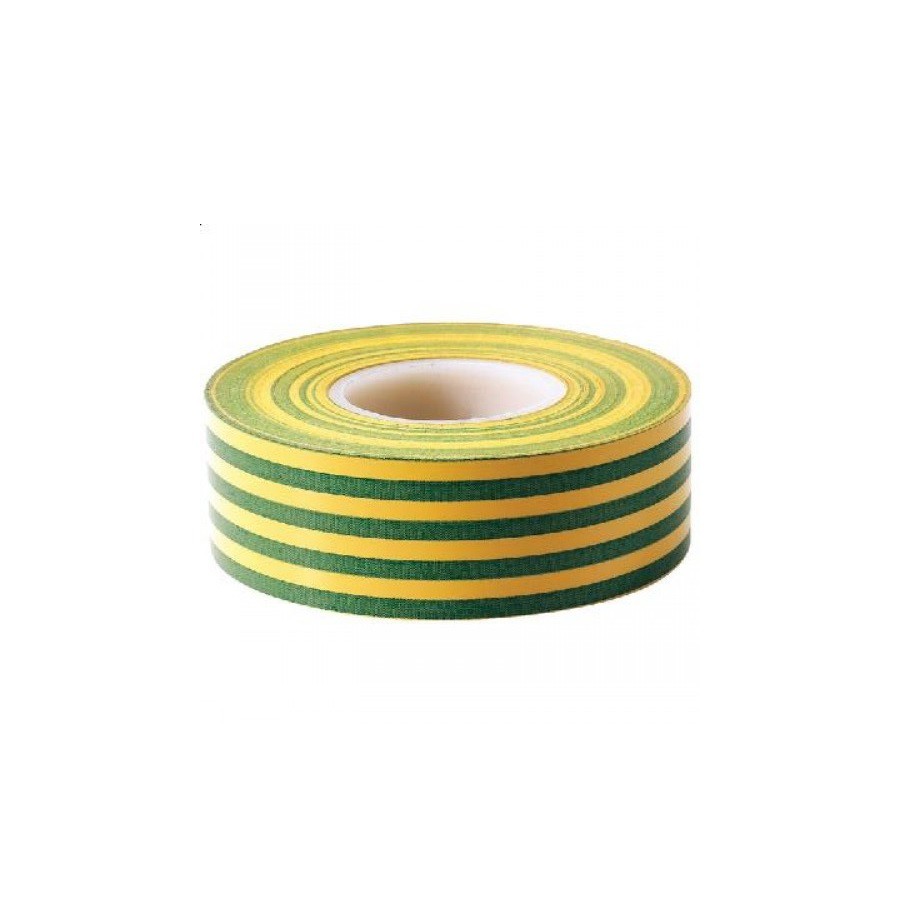
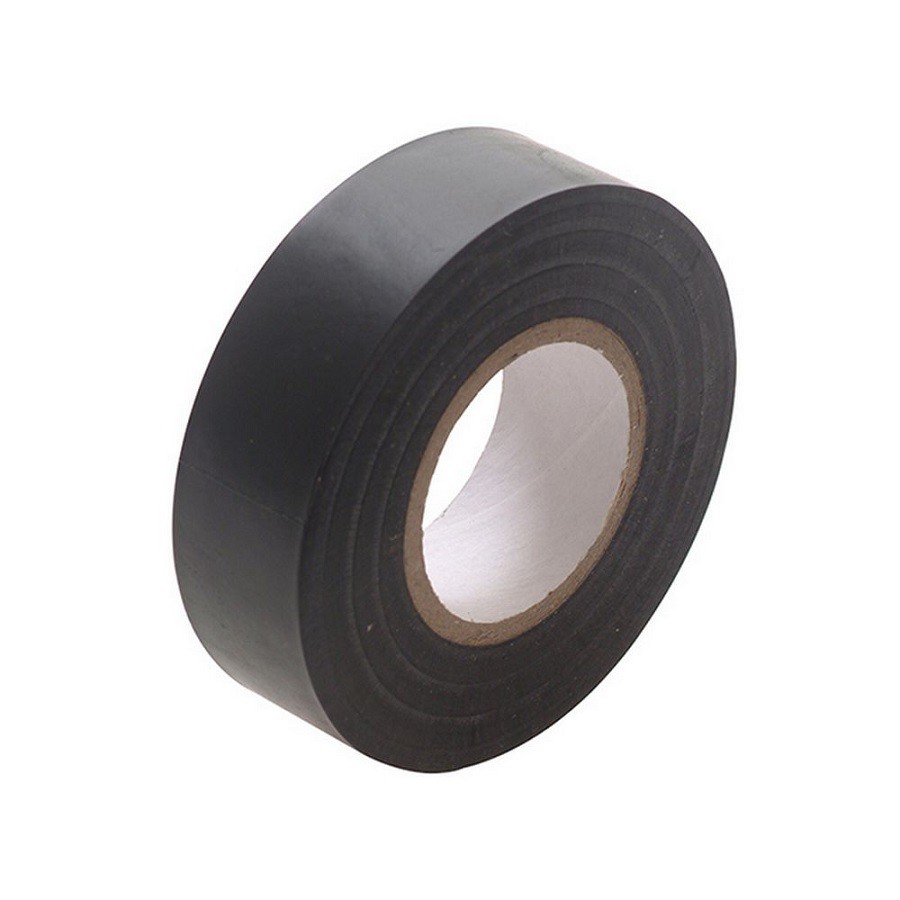
- PVC tapes for general electrical insulation and colour coding
- Self-amalgamating tapes for waterproof and weatherproof joints and terminations
- Waterproof tapes for outdoor sealing and emergency repairs
Each tape type serves a specific purpose, from electrical safety to site visibility and weather protection.
For:
- Electrical insulation, use PVC electrical tape (conforming to BS EN 60454).
- Moisture-proof fibre joints, use self-amalgamating rubber tape to create a watertight seal.
- Temporary cable routing, use cabling adhesive or double-sided tape for a clean and removable bond.
- Data centers or enclosed spaces, use LSZH (Low Smoke Zero Halogen) PVC tape to reduce toxic emissions in case of fire.
- EMI shielding, use conductive or aluminium foil tape to protect signal integrity.
Outdoor and roadside installations require tapes that can withstand UV exposure, temperature changes, and moisture:
- Waterproof tapes for emergency sealing on ducts or enclosures
- Self-amalgamating rubber tapes for sealing cable joints and waterproof terminations
- Hazard/barrier tapes to mark out safe working zones
- UV and weather resistant PVC tapes for long term external bundling
Always check for UV resistance and waterproof ratings before outdoor use.
1. Clean and dry the surface before applying tape.
2. Apply firm, even pressure to ensure adhesion.
3. For self-amalgamating tapes, stretch the tape to activate bonding and overlap layers by 50%.
4. Store rolls in a dry, cool environment to prevent adhesive degradation.
5. Replace old or cracked tapes during regular maintenance to maintain sealing and insulation integrity.