We use cookies to make your experience better. To comply with the new e-Privacy directive, we need to ask for your consent to set the cookies. Learn more.

Shop By Category
-
Fibre Optic Patch Leads E2000-FC

-
Fibre Optic Patch Leads FC-FC

-
Fibre Optic Patch Leads FC-LC

-
Fibre Optic Patch Leads FC-SC

-
Fibre Optic Patch Leads FC-SC/APC

-
Fibre Optic Patch Leads FC-ST

-
Fibre Optic Patch Leads LC-LC

-
Fibre Optic Patch Leads LC-SC

-
Fibre Optic Patch Leads LC-SC/APC

-
Fibre Optic Patch Leads LC-ST

-
Fibre Optic Patch Leads LC-LC/APC

-
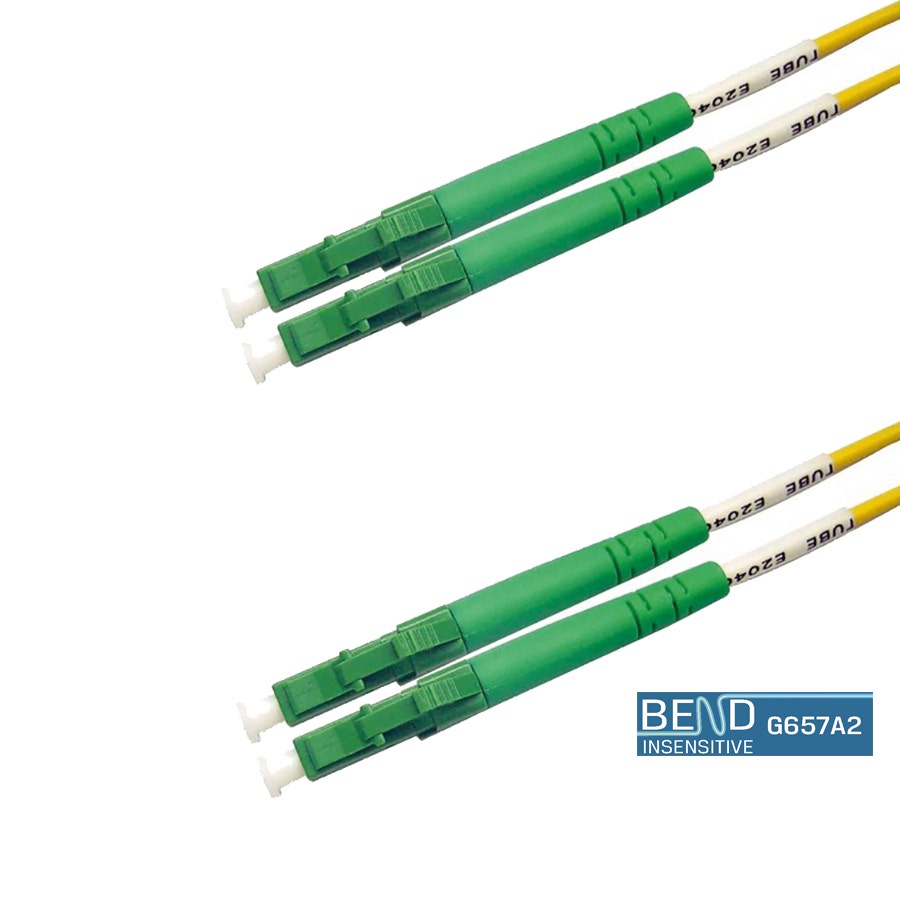
Fibre Optic Patch Leads LC/APC-LC/APC
-
Fibre Optic Patch Leads LC/APC-SC

-
Fibre Optic Patch Leads SC-SC

-
Fibre Optic Patch Leads SC-SC/APC

-
Fibre Optic Patch Leads SC-ST

-
Fibre Optic Patch Leads SC/APC-SC/APC

-
Fibre Optic Patch Leads ST-ST

-
Flattwin Fibre Patch Leads FC-LC

-
Flattwin Fibre Patch Leads LC-LC

-
Flattwin Fibre Patch Leads LC-SC

-
Flattwin Fibre Patch Leads SC-SC

Shop By Product
-
818198Aginode LANmark-OF Slimflex Fibre Patch Lead Duplex MM LC-LC OM3 50/125 LSZH Aqua (L)4Mtr
 Was £15.89 £5.00


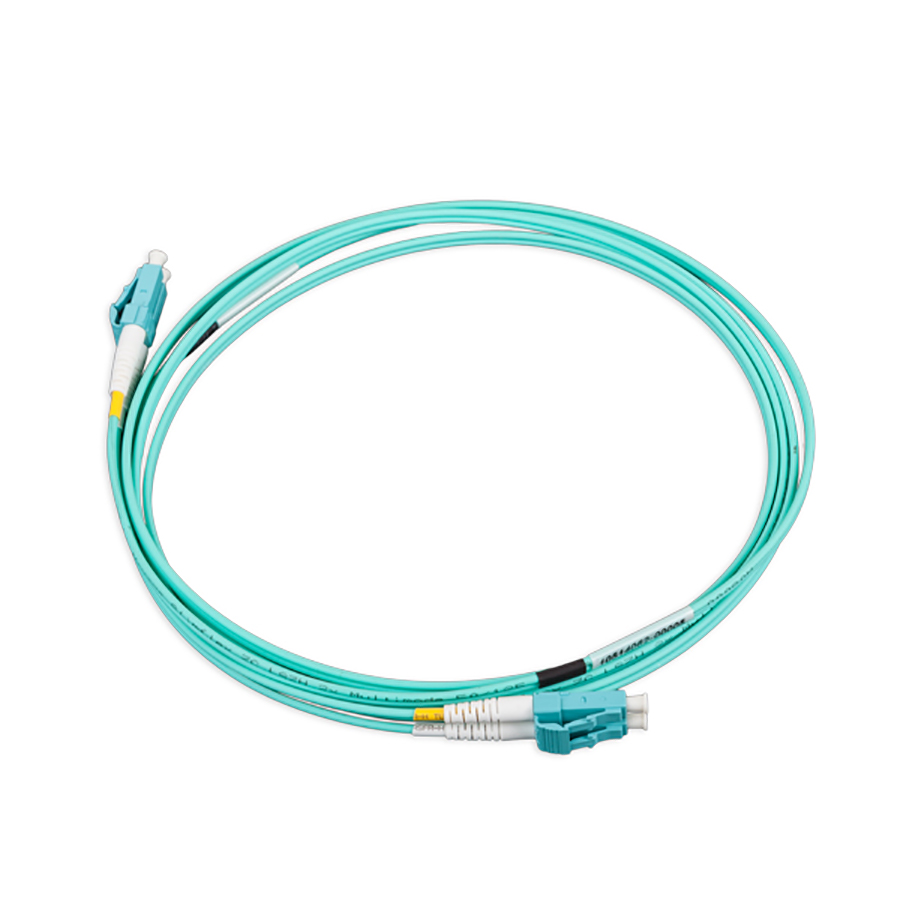


With our extensive knowledge of the industry we are sure you will find all your OM1, OM2, OM3, OM4 and OS2 fibre patch leads here. ST, LC, SC and FC connectors are available with a variety of combinations including; ST-ST, SC-SC, LC-LC, SC-ST, LC-ST, LC-SC, FC-ST, FC-SC and FC-LC. Products from our leading brands including CommScope, Ultima & Siemon are held in stock ready for next day delivery from our own warehouse.