Trunking, Conduit & Cable Management
-
Back Boxes, Breakaway Boxes & Blanks
-
Basket Tray System
-
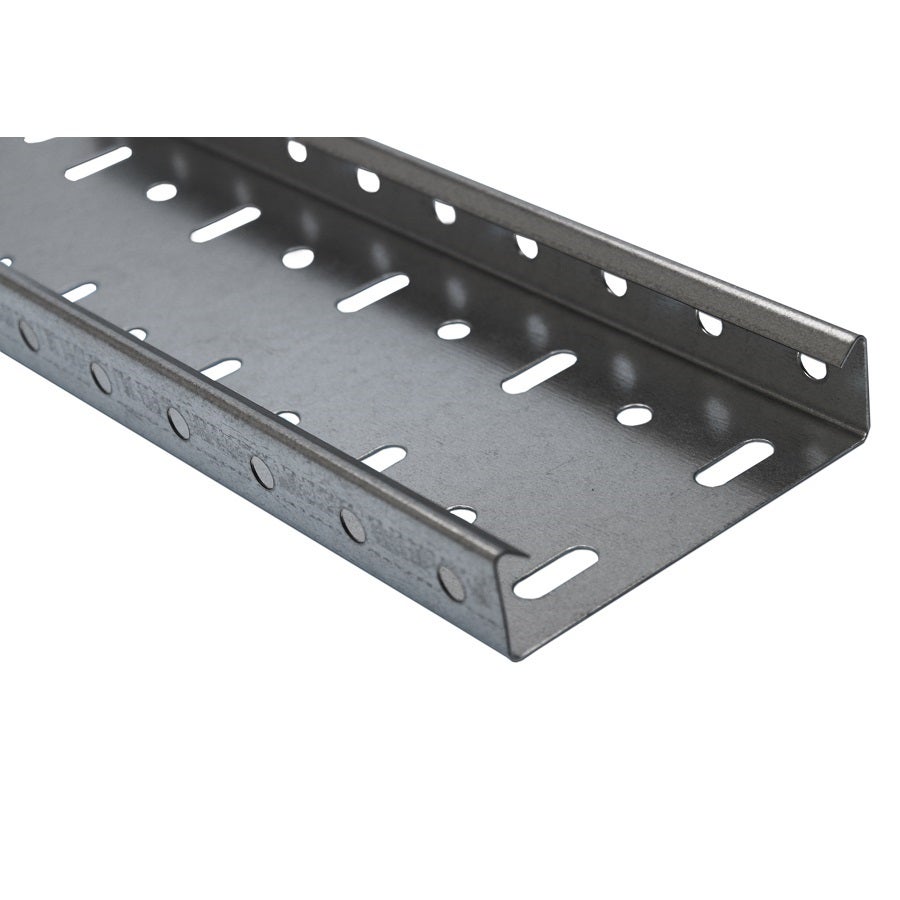
Cable Tray System
-
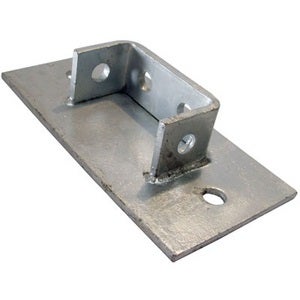
Channel Fittings
-
Channel Strutting
-
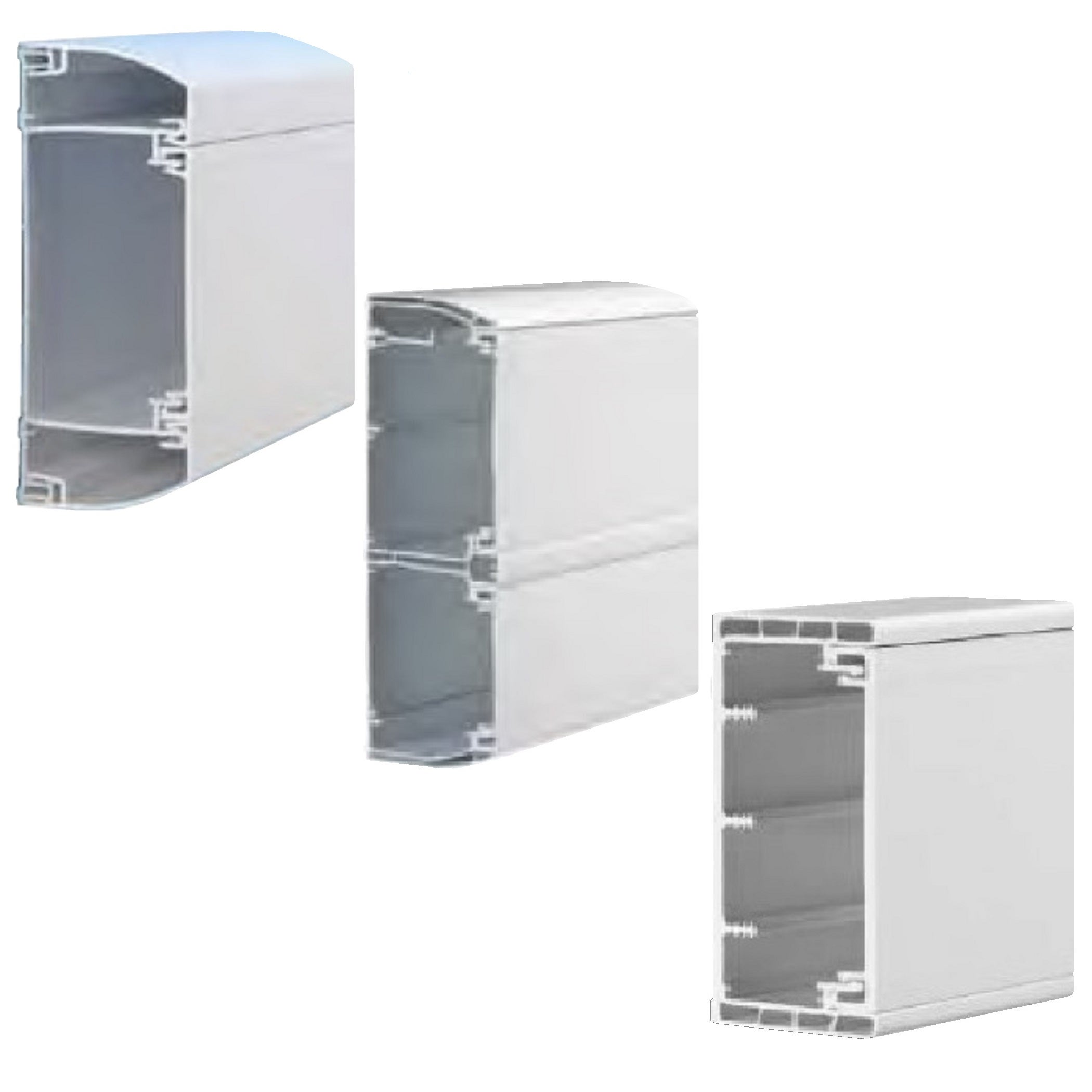
Dado Trunking System
-
Fibre Ducting Systems
-
Fire Resistant Transit
-
Flexible Conduit
-
Floor & Desk Grommets
-
Floor Boxes
-
Matting
-
POD Boxes & Consolidation Points
-
Quadrant/Semi-Circular Trunking
-
Rigid Conduit
-
Sleeving & Spiral Wrap
-
Slotted Trunking
-
Steel Trunking System
-
Under Desk Management
-
uPVC Trunking
FAQs
Cable trunking is a system used to organise, route, and protect electrical, data and fibre optic cables and wires. It helps maintain a tidy and safe environment, especially in commercial and industrial settings like offices, factories, and warehouses. Trunking prevents cable damage, reduces trip hazards, and simplifies maintenance.
Cable trays are an open system made of metal trays mounted on walls or ceilings. It allows cables to be routed in multiple directions and is easy to install and maintain. Whereas, trunking is a closed system of metal or plastic channels, usually mounted on floors or walls. It routes cables in a single direction and offers more protection.
Some of the most effective cable management tools include:
- Cable ties and Velcro or hook and loop straps for bundling
- Cable sleeves for grouping multiple wires
- Adhesive clips for securing cables to surfaces
- Cable management boxes to hide excess cables
- Label makers for easy identification
To hide or conceal cables neatly, you can use:
- Cable concealers or raceways to cover cables along walls
- Furniture integration (e.g., running cables behind desks or TV stands)
- Under-desk trays or floor trunking for larger setups.
These methods improve aesthetics and reduce clutter.