Site Tools & Equipment
-
Cable Raising Supports
-
Capstan Winch
-
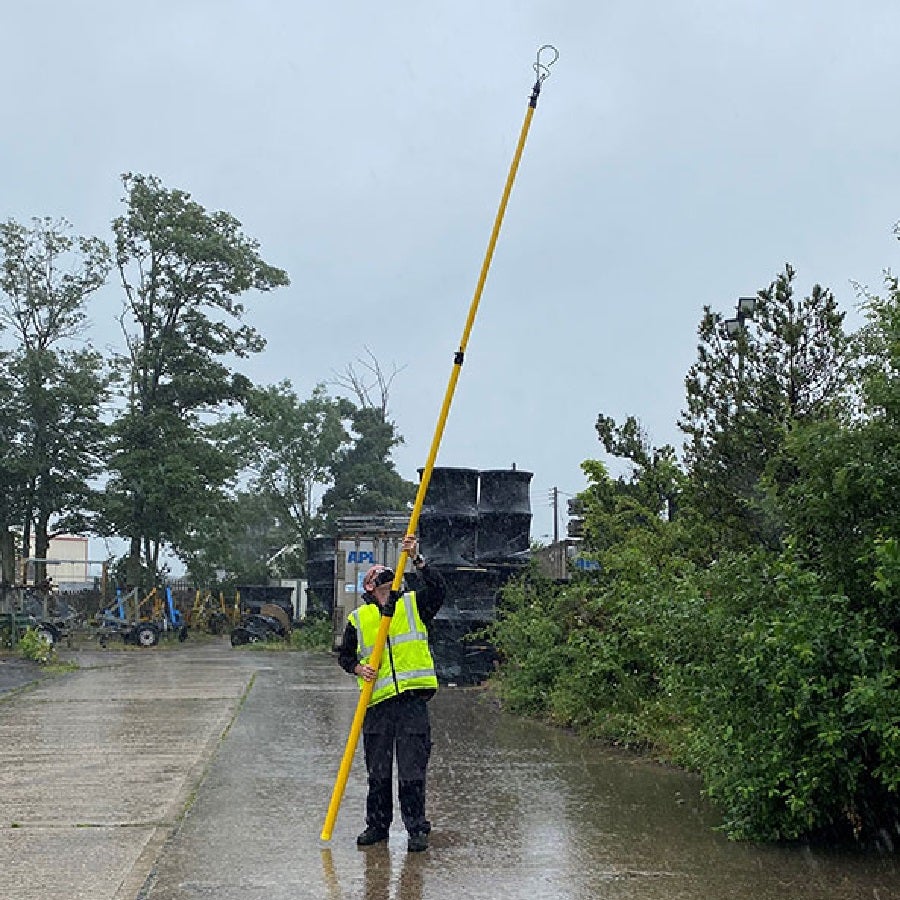
Clearance Rods (Telescopic)
-
Compaction Plates & Trench Rammers
-
Containers
-
Crowbars & Wrecking Bars
-
Desiccants
-
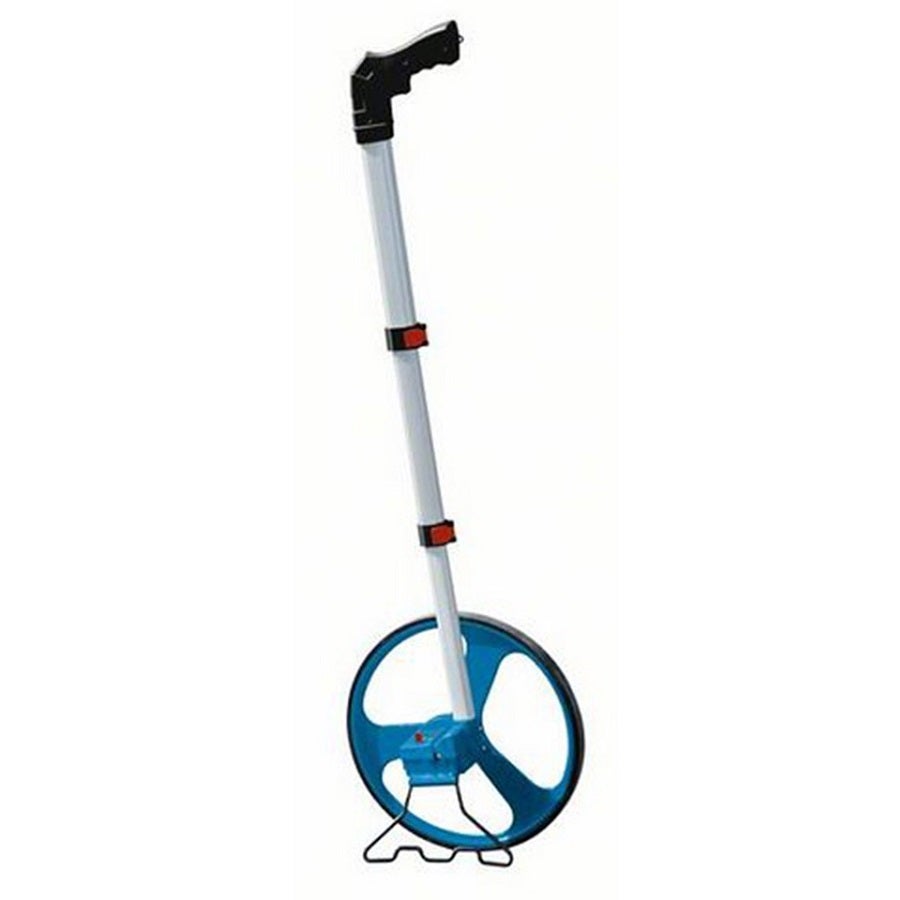
Distance Measuring Equipment
-
Fire Brigade Keys
-
Hydraulic Breakers & Accessories
-
Ice Scrapers
-
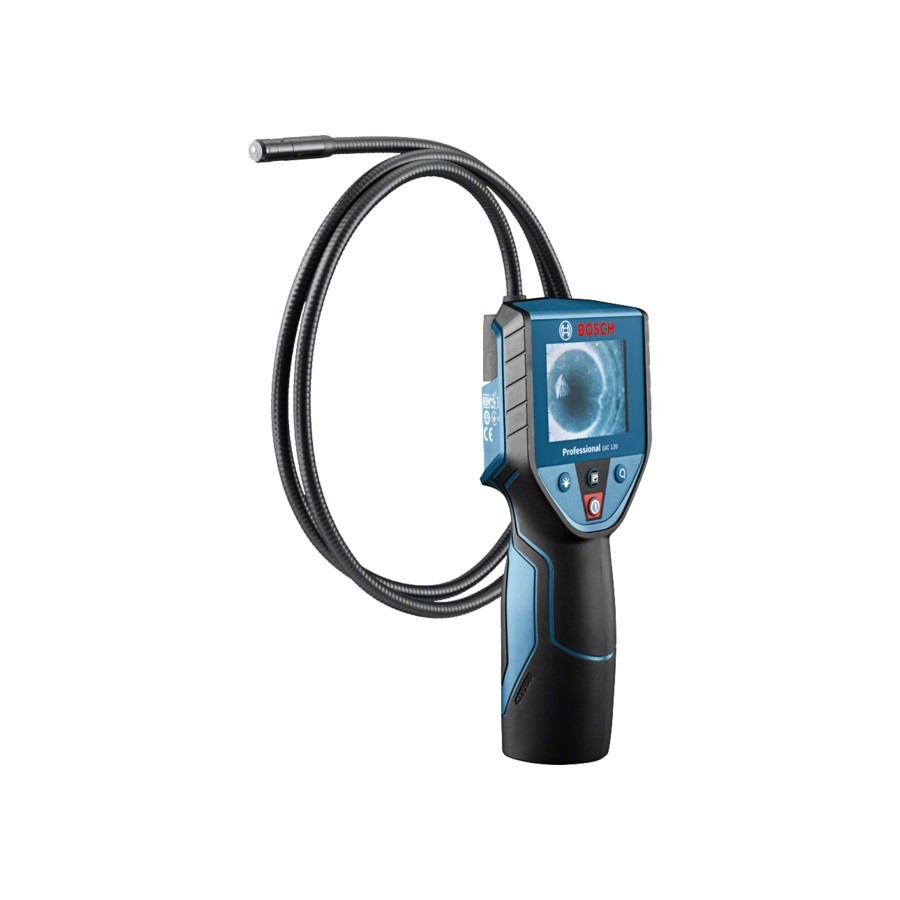
Inspection Cameras
-
Miscellaneous Site Tools & Equipment
-
Power Generators
-
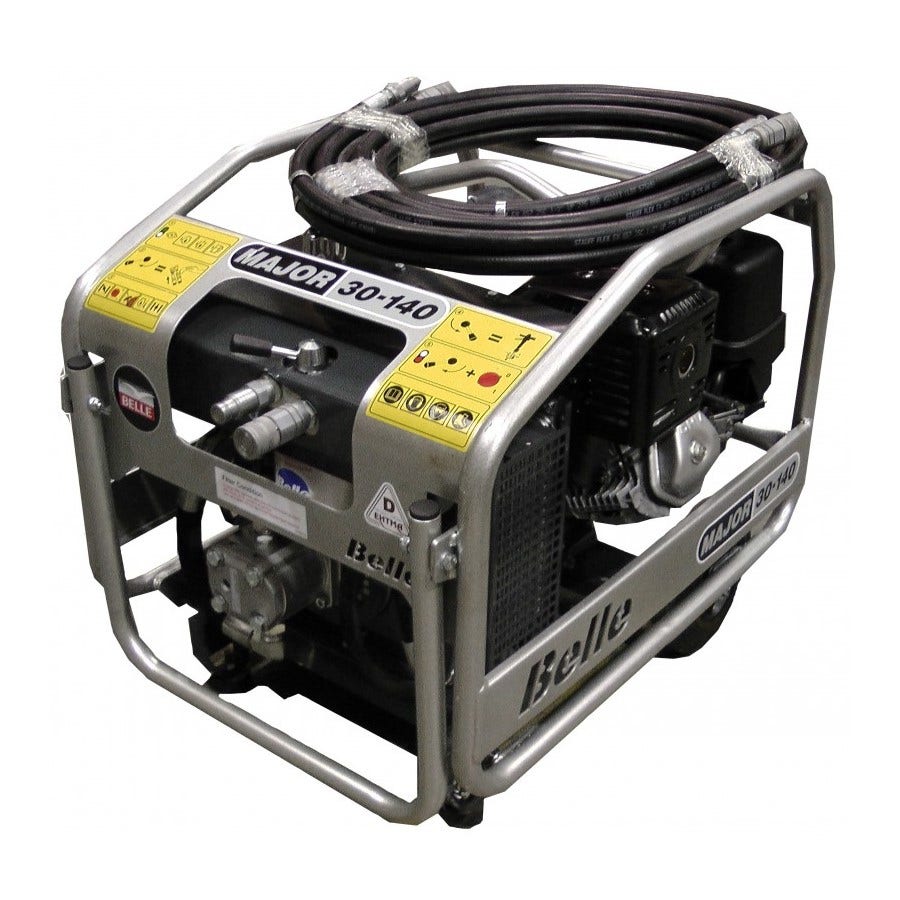
Power Packs
-
Spades & Excavation Tools
-
Stools
-
Strapping
-
Tents & Umbrellas
-
Trench & Footway Measuring Equipment
-
Trolleys, Trucks & Tables
-
Trowels
-
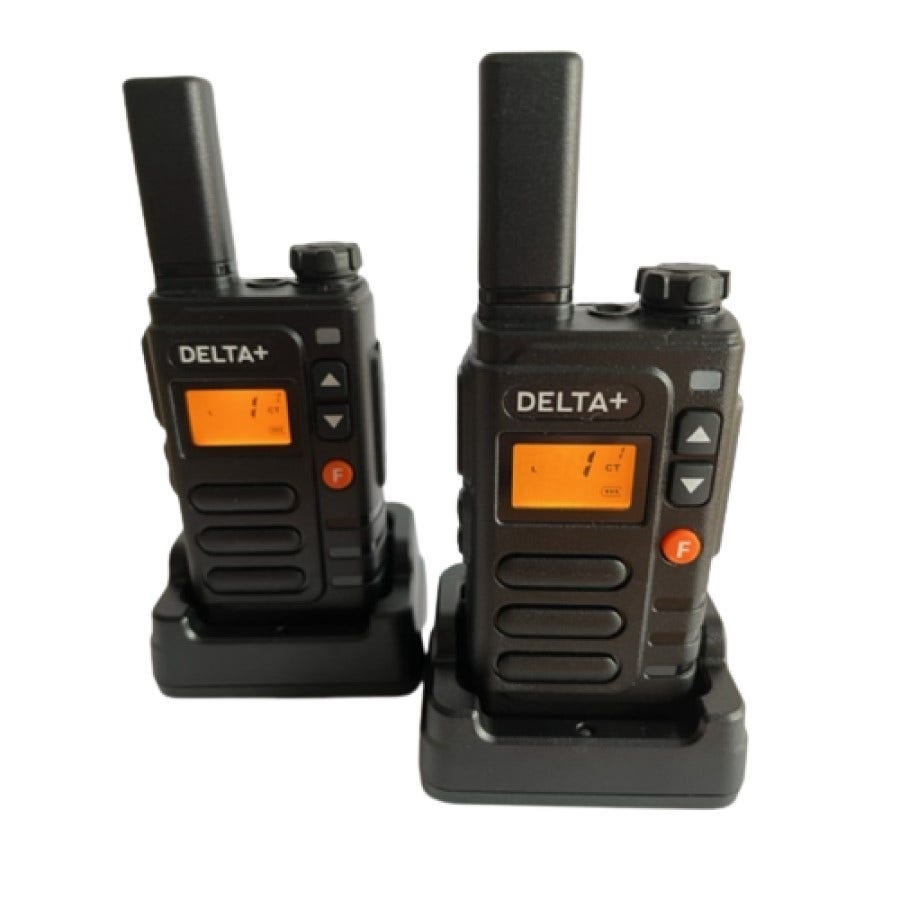
Twin Mobile Radios
-
Utility Keys
-
Van Storage
-
Vehicle Essentials
-
Ventilators & Hoses
-
Water Pumps
-
Wheelbarrows
FAQs
Telecoms and fibre installations often involve civil engineering tasks, so engineers require specialist handling, lifting, and excavation equipment. Common tools include:
- Capstan winches & cable drum handling gear for pulling or hauling cable through ducts
- Cable raising supports & strapping to safely lift cables during pole or aerial work
- Spades, trowels & trenching tools for duct and minor excavation work
- Power generators & power packs for off-grid or rural site power
- Inspection cameras for duct and chamber surveys
These tools support safe and efficient deployment on streetworks, rail, utility and FTTx rollout projects.
For underground cabling work, engineers typically use:
- Capstan winch, pull fibre or power cable through ducts
- Clearance rods (telescopic) to locate or clear ducts before cable pulling
- Hydraulic breakers & rammers to break concrete and compact reinstatement
- Trench measuring tools to verify duct depth and width compliance
- Desiccants & ventilators to remove moisture in joint boxes and chambers
- Water pumps to clear flooded pits before jointing
- Trolleys & drum jacks to move heavy drums safely on site
These tools are essential for NRSWA-compliant work and safe fibre installation in underground routes.
Most site tools require competency and compliance with safety standards:
- Capstan winches and lifting gear must be used by trained personnel
- Generators and hydraulic breakers require PPE (hearing, eye and hand protection)
- Working near highways requires Chapter 8/Streetworks compliance
- Inspection tools like cameras must be IP-rated for wet conditions
- Site shelters/tents are often required to protect jointing and splicing equipment in wet weather
Always check RAMS (Risk Assessment & Method Statements) before use.
Yes, most rural or new build fibre projects require mobile power and workspace solutions, such as:
- Portable generators or battery power packs for splicing machines
- Tent shelters or umbrellas to protect jointing in rain or wind
- Work stools, tables or trolleys for comfortable fibre splicing
- Two-way mobile radios for team communication where no mobile signal is available
- Vehicle storage systems to keep tools organised between sites
These tools increase productivity and reduce downtime, especially in FTTx rollout environments.