Fibre Optic Cables
FAQs
There are:
- Armoured fibre optic cables, rugged cables with metal or non-metallic armour for protection against rodents and mechanical stress, ideal for harsh environments or direct burial.
- FTTx aerial/outdoor fibre cables that are designed for fibre-to-the-home (FTTH/FTTx) deployments, available in aerial, duct, or direct-buried versions.
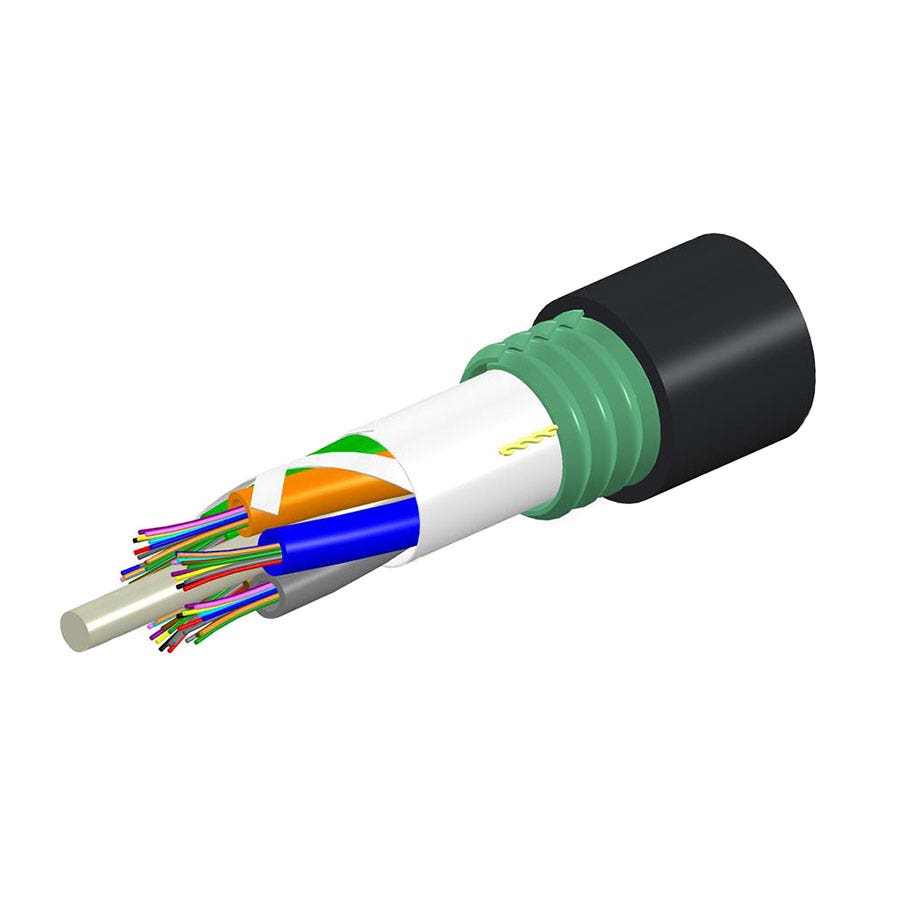
- Loose tube fibre cables are fibres contained within gel-filled or dry tubes, providing excellent protection against moisture and suitable for long-distance outdoor runs.
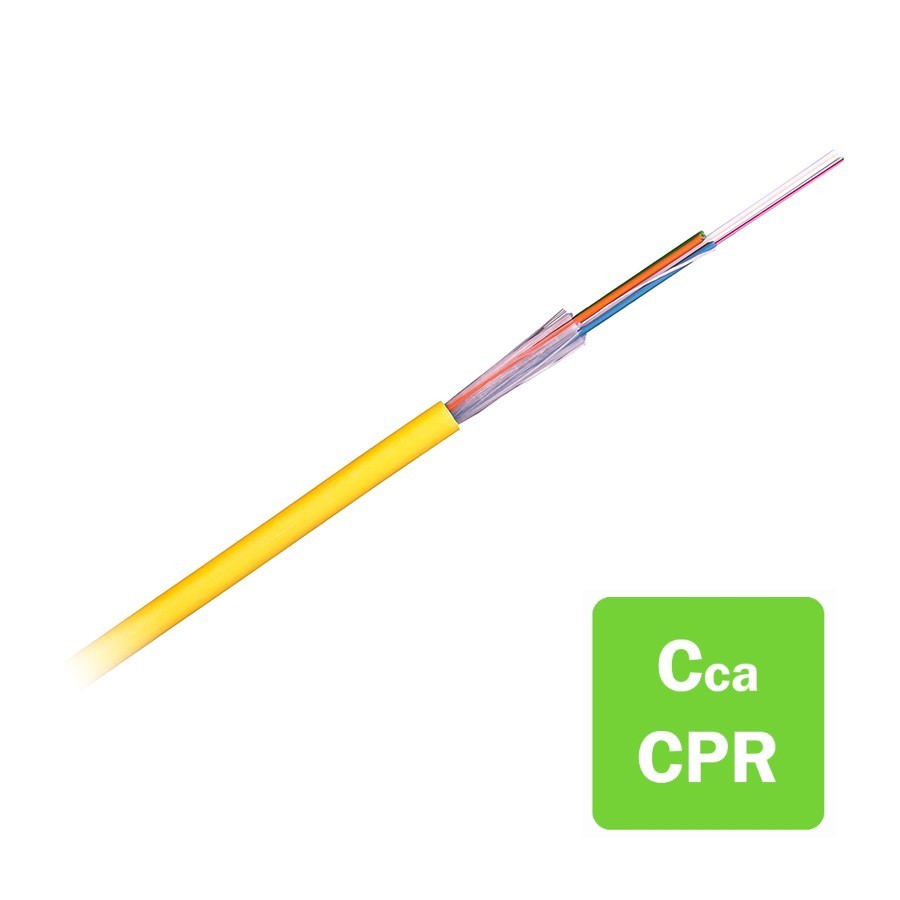
- Tight buffered fibre cables, where each fibre has a protective coating, making them easier to terminate and better for indoor use, short links, and patch cords.
- Powered fibre cable systems combine optical fibre with copper conductors to deliver both data and low voltage power, ideal for security cameras, WiFi APs, or remote devices.
Loose tube fibre cables include fibres that are loosely housed within tubes with additional gel or dry water blocking material, making them highly resistant to environmental stress. They are best used for outdoor and long distance applications. Tight buggered fibre cables include fibres with individual protective coatings, making them easy to strip, terminate and connectorise. They are best used for indoor use and shorter runs.
Armoured fibre is recommended when cables are exposed to mechanical risks, such as rodent attacks, digging, or crushing. The armour provides an extra layer of protection without compromising optical performance. They are commonly used for direct burial, outdoor ducts, and industrial sites.
Powered fibre cable systems combine optical fibres for high speed data with copper conductors for DC power in a single cable. This enables long distance powering and connectivity for devices such as:
- IP cameras and CCTV systems.
- Remote WiFi access points.
- Small cell wireless infrastructure.
They are ideal for campus, transportation, and smart city projects, where power outlets may not be easily available.