110 Patching Systems
FAQs
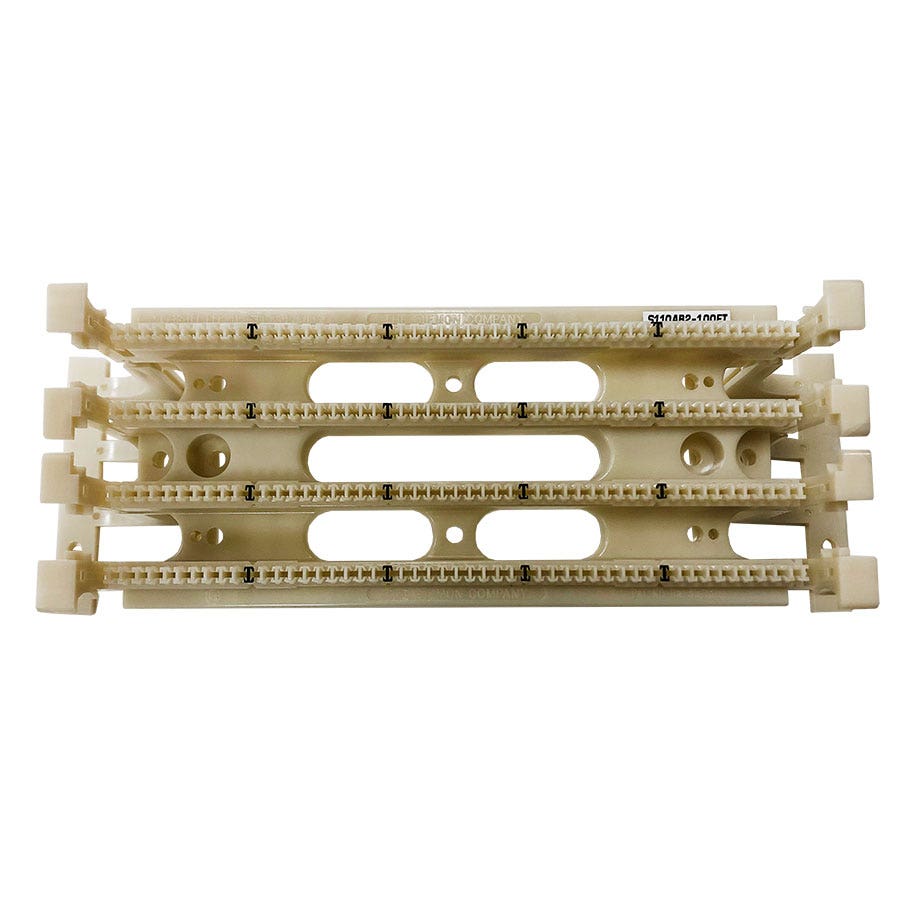
A 110 patching system is a structured cabling solution that uses punchdown blocks instead of RJ45 patch leads for interconnections. Network cables are terminated directly onto the block using an impact tool. This creates a high density, permanent, and reliable patching environment without the clutter or cost of patch leads.
The advantages are:
- Space efficiency, higher density than traditional patch panels.
- Lower cost eliminates the need for large volumes of patch leads.
- Durability, punchdown terminations are less prone to wear compared to RJ45 plugs.
- Organised cabling means neat layouts with clear labelling make troubleshooting easier.
- Scalability, well suited for large installations with frequent moves, adds, and changes.
A typical system consists of:
- 110 blocks are the main punchdown interface.
- Connecting blocks/clips bridge between rows to complete circuits.
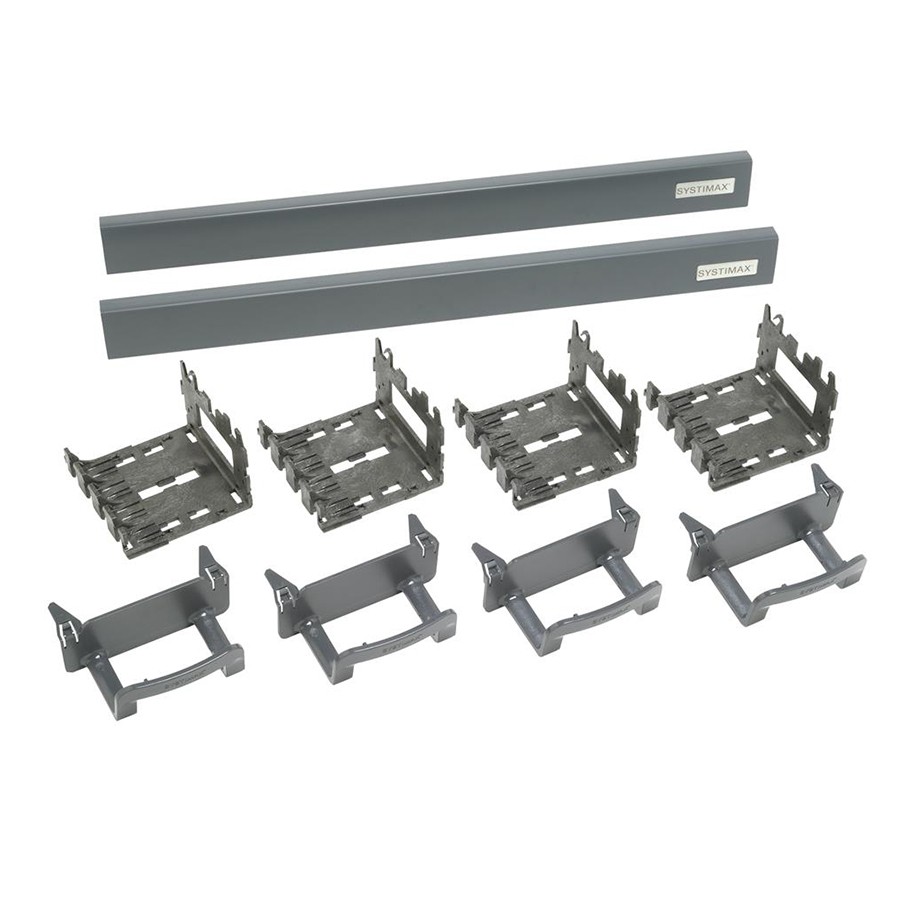
- Backboards or rackmount panels provide mounting options for structured environments.
- Impact tools used to terminate cables onto the block.
Optional accessories may include labels, holders, and cable management guides.
They are typically deployed in:
- Enterprise telecom rooms for voice and data patching.
- Data centers requiring dense cabling without extensive patch leads.
- Campus networks where large volumes of copper cabling need reliable termination.
- Environments with frequent reconfiguration, as cross connects can be made quickly by moving connecting blocks instead of reterminating patch leads.