Ladders & Platforms
FAQs
The right ladder depends on the working height, environment, and application. Installers typically use:
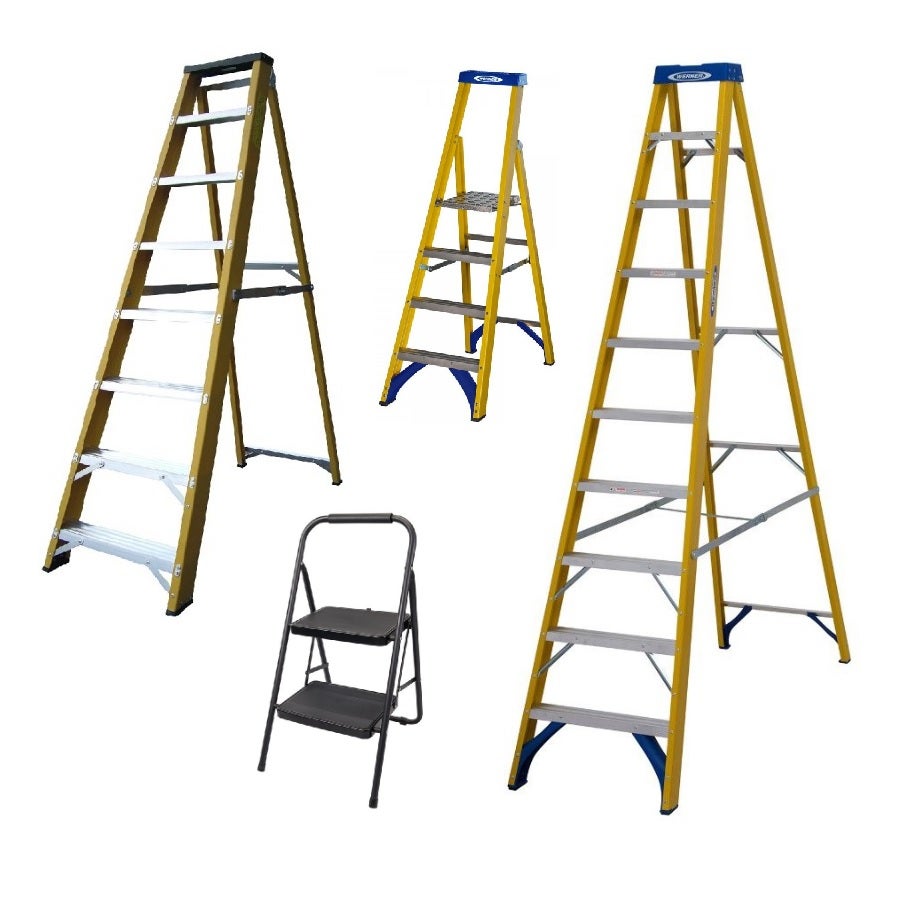
- Step ladders for indoor installs & low height work (e.g. cable routing or trunking)
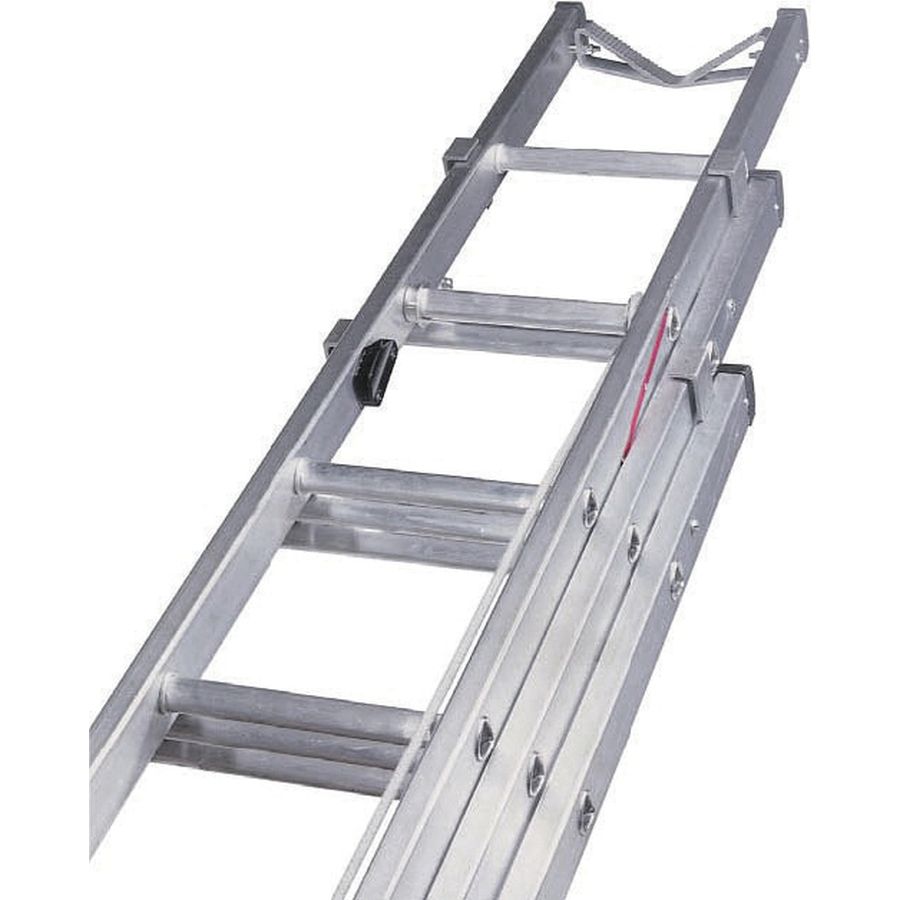
- Extension ladders for working at height on buildings or poles
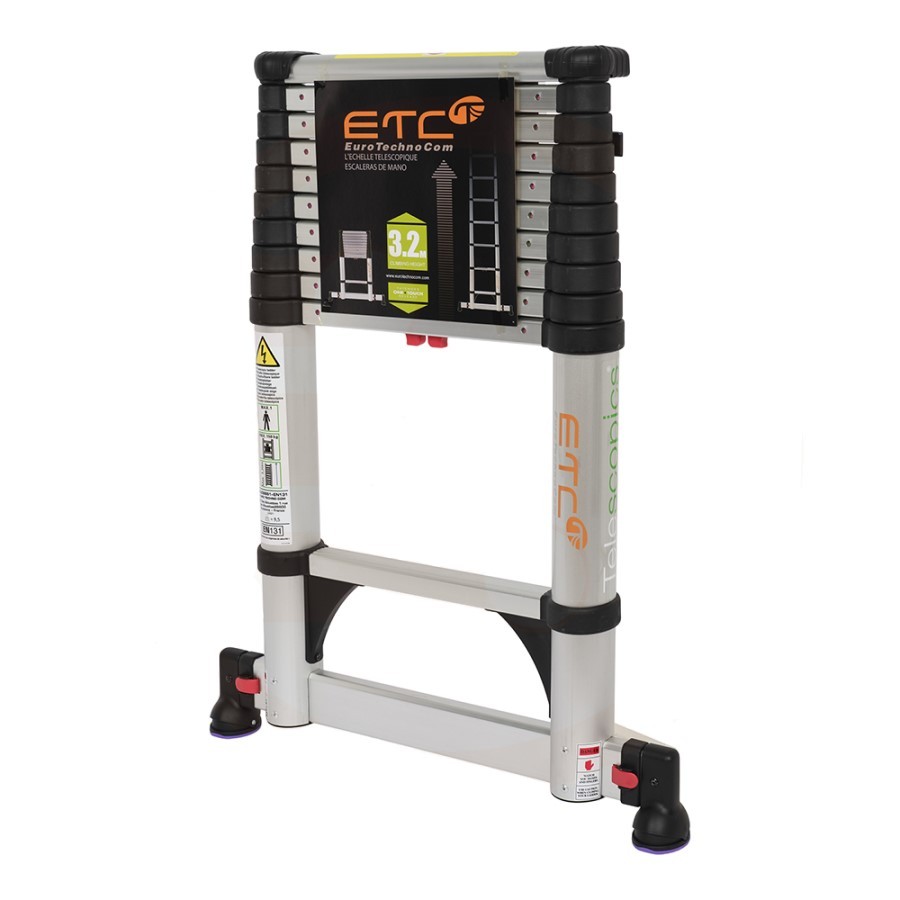
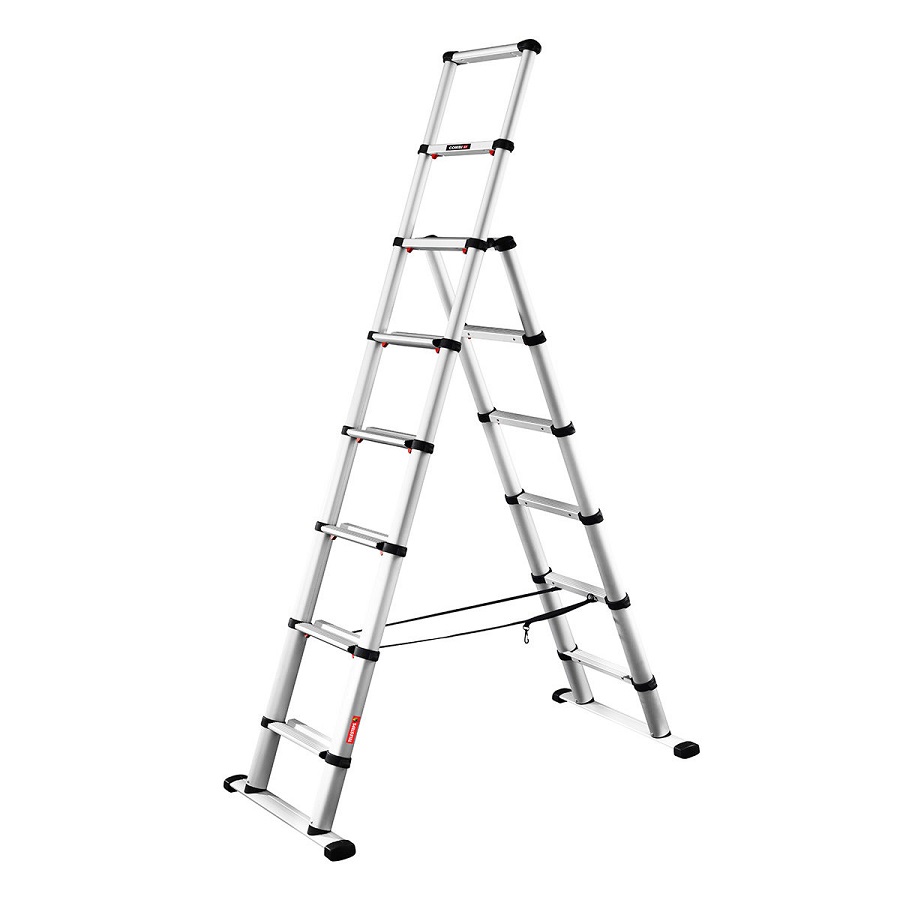
- Telescopic ladders for compact transport for field engineers
- Ladder platforms for safe standing area for long duration work
- Scaffold Towers for stable access for high level external installation
- Ladder accessories like safety hooks, stabilisers and tool trays
Each model suits different jobs, from overhead cabling to data cabinet access to pole mounted fibre connections.
For on-site telecom and electrical work, ladders must meet professional safety standards:
- EN131 certification is required for all commercial ladders in Europe
- Professional or trade drade, designed for regular site use
- 150kg load rating, suitable for engineer plus tools
- Non-conductive ladders (fibreglass) is recommended for electrical environments
Always check ladders come with anti-slip feet, stabilisers or securing points for safe use.
Use a ladder platform or scaffold tower instead of a ladder when:
- You need to work at height for more than 30 minutes
- Both hands are required for tool use or cable handling
- You need a stable standing surface (e.g. fitting overhead cable tray or conduit)
- You’re working on uneven ground or slopes
Scaffold towers are also preferred for exterior builds, mast work, and long cable runs.
To meet safe working practices, engineers should use:
- Ladder stabilisers to prevent sideways movement
- Anti-slip mats or feet are essential on smooth floors or wet ground
- Ladder hooks to secure ladders to poles or structures
- Tool trays or belts to reduce climbing with tools in hand
- Work platforms to prevent fatigue during prolonged use
Using the right accessories reduces fall risk and ensures compliance with site safety regulations