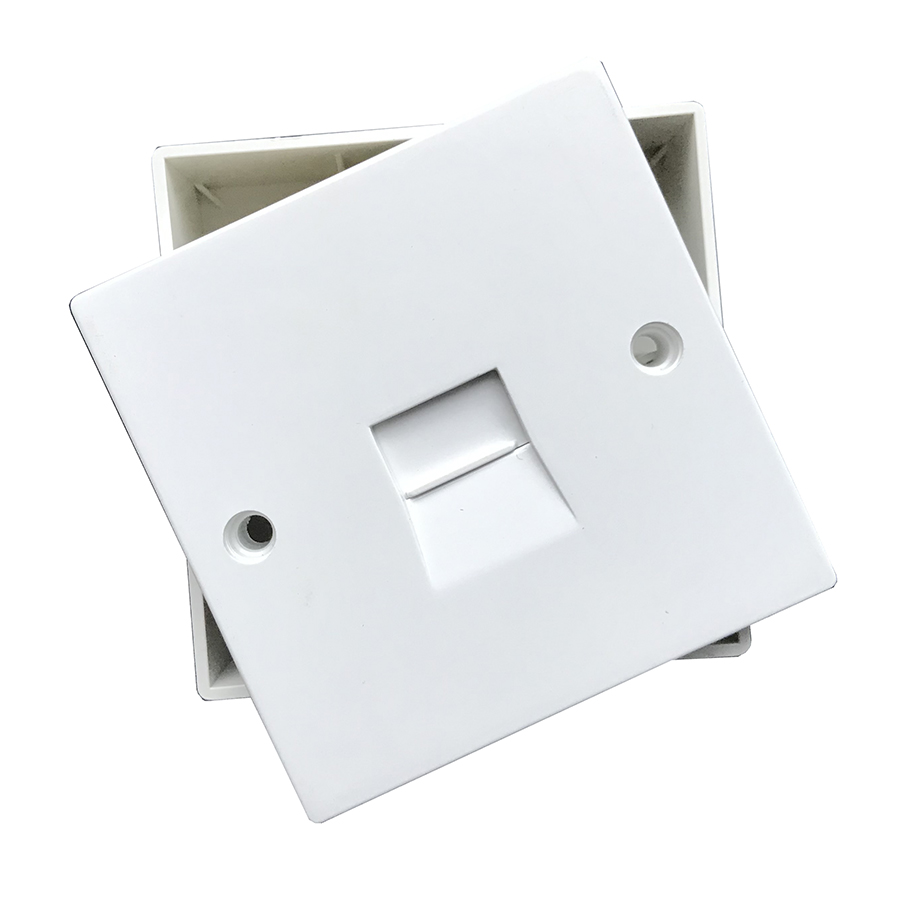
Line Jacks
FAQs
Line jacks are telephone connection points that provide an interface between a customer’s internal wiring and the external telephone network. They are used in voice cabling systems to connect telephones, modems, and communication devices to the network. Line jacks are an essential component in both residential and commercial telecom installations, ensuring reliable signal transmission and easy maintenance access.
Line Jack 2 (LJ2) are a standard single telephone outlet for basic connections between one telephone and the network.
Line Jack 3 (LJ3) includes capacitors and surge protection to support the connection of additional devices like fax machines or modems.
Line Jack 4 (LJ4) are designed for multi line systems or installations requiring additional wiring configurations, typically in larger office setups.
Each type of line jack provides varying levels of connection and protection depending on the equipment being installed.
A Network Termination Unit (NTU) serves as the main interface between the external telephone network and internal wiring. It usually contains the first line jack (often an LJ2 or LJ3) and may include a test socket for troubleshooting or line testing. The NTU marks the point where the network provider’s responsibility ends and the customer’s wiring begins, ensuring safe isolation, easy testing, and compliance with telecom standards.
Weatherproof line jacks are sealed, outdoor rated connection units designed to protect telephone wiring from moisture, dust, and temperature changes. They are used at external junction points, building entry points, or outdoor telecom cabinets. These units typically feature IP rated enclosures and gel-filled or gasket sealed connections to maintain performance and prevent corrosion in harsh environments.