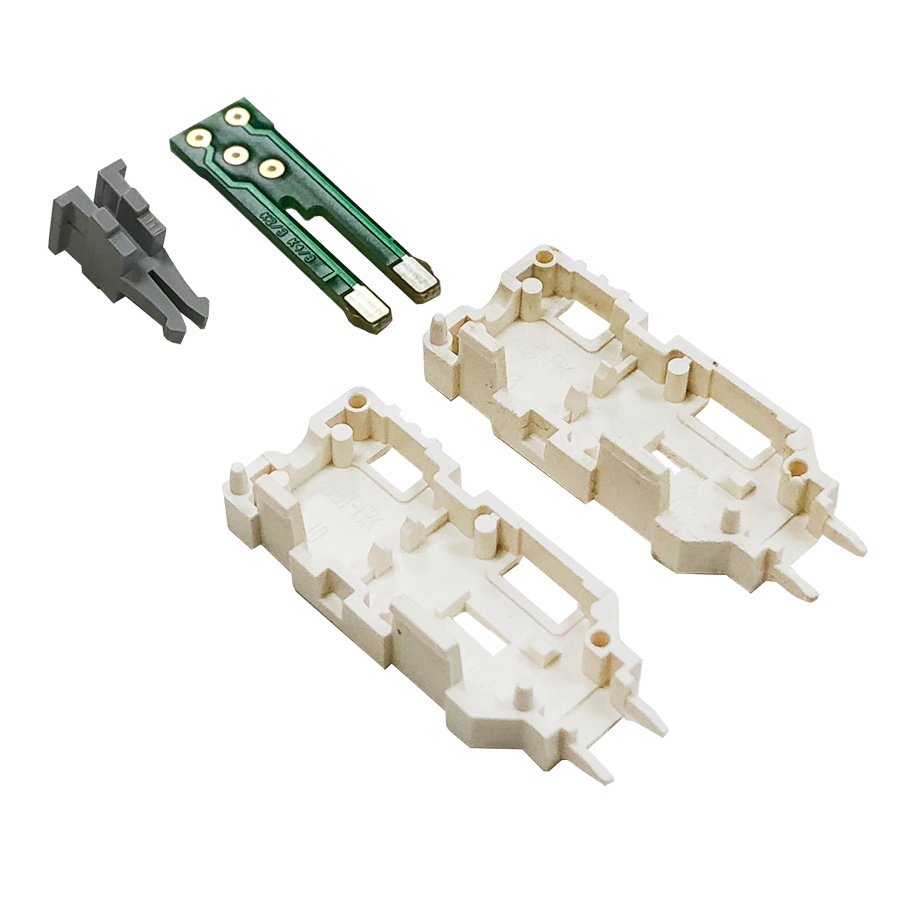
Termination Strips & Accessories
FAQs
Termination strips are connection interfaces used to terminate, organise, and test copper telephone or data cabling within structured voice cabling systems. They provide a secure and accessible point for connecting incoming and outgoing pairs, supporting cross connection, earthing, and circuit protection. Termination strips are essential in distribution frames, backmounts, and telecom rooms, ensuring reliability and serviceability in both commercial and network infrastructure installations.
Connection strips provide permanent electrical continuity between two cable pairs for standard line connections.
Disconnection strips (e.g. 237A) allow easy testing, isolation, or rerouting of circuits by disconnecting the circuit path without removing cables.
Earthing strips provide a secure grounding point to protect equipment and personnel from surges or electrical faults.
Each type plays a specific role in maintaining and testing telecom line performance safely and efficiently.
Netceed offers a comprehensive range of termination strip accessories, including:
- Designation strips and marking caps for clear identification of line pairs and connections.
- Locking wedges and protectors to secure modules in place and protect against dust, damage, or accidental disconnection.
- Connection and test cords for performing diagnostics, testing, and temporary line connections.
- Mounts and backplates for installing termination strips onto frames, subracks, or wall mounted panels.
These accessories enhance safety, organisation, and maintenance convenience in any cabling setup.
Consider the following when selecting:
- Application type, choose connection strips for permanent joins, or disconnection strips for test access points.
- Compatibility, ensure the strip fits your frame or subrack system (e.g. 10 pair, 50 pair).
- Protection level, add over voltage protectors or earthing modules in high risk areas.
- Labelling and maintenance, these designation strips and marking caps for efficient line identification.
Selecting the right combination improves system performance, organisation, and safety.