Channel Strutting
FAQs
Channel strutting (often called strut channel or Unistrut® type channel) is a metal framing system used to create strong, modular supports for cable trays, trunking, pipework, and electrical equipment. It provides a versatile mounting framework without the need for welding, making it ideal for commercial, industrial, and data center installations.
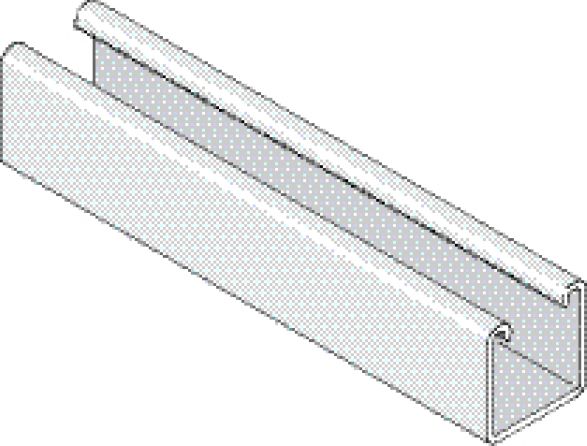
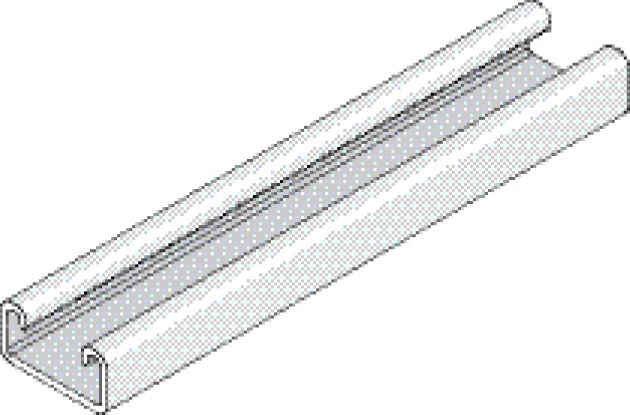
Plain channel is a solid steel profile with no predrilled slots. It provides maximum strength and is often used where heavy loads or continuous support are required.
Slotted channel features prepunched slots along its length, allowing for quick alignment, flexible fixing, and easy adjustment without additional drilling. Perfect for lighter loads or applications requiring frequent changes.
Typical accessories include:
- Channel nuts, bolts, and washers for secure fixing of fittings to the channel.
- Brackets (U, L, Z, flat, base, angled) to connect and reinforce multiple channel sections.
- Pipe/tube clamps for securing conduit or pipework to the strut.
- End caps to cover open ends for safety and a neat finish.
These components allow installers to build strong, customised support frameworks.
Benefits include:
- Flexibility, as it can be easily cut, adjusted, and reconfigured on-site.
- Strength, as it provides robust support for heavy trays, trunking, and cabling.
- Time saving due to slotted options reduce drilling and speed up installation.
- Compatibility, as it works with a wide range of brackets, clamps, and fittings.
- Professional finish, keeps installations neat, safe, and standards compliant.