Fibre Attenuators
FAQs
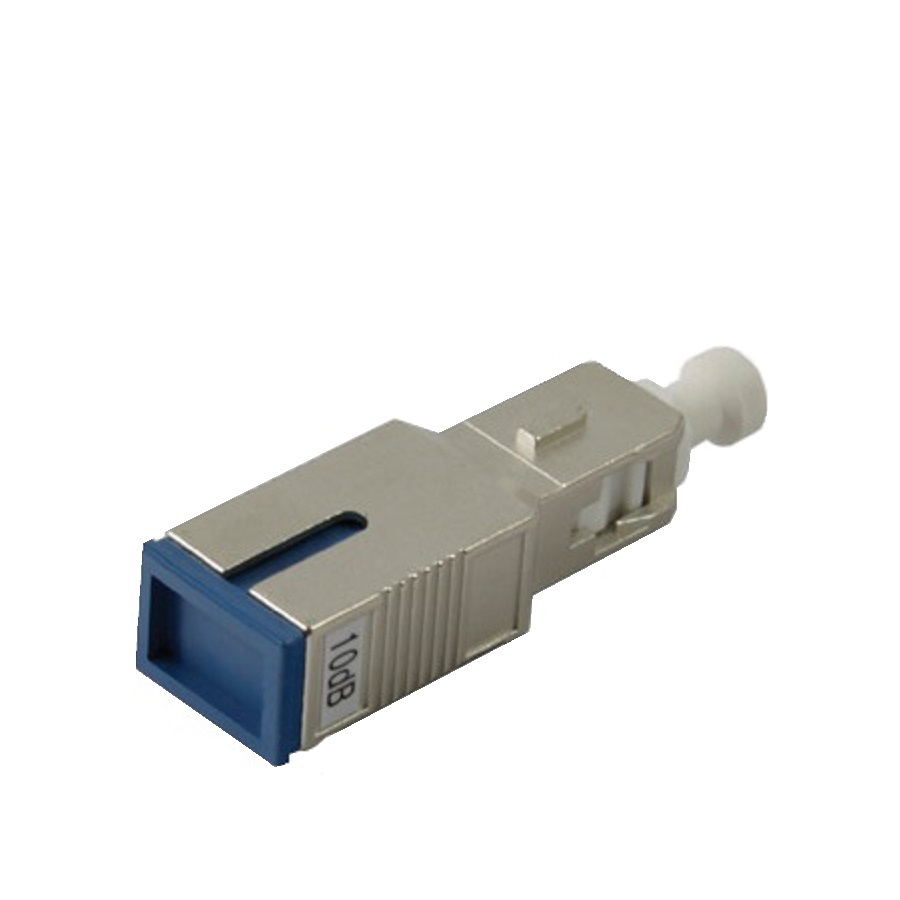
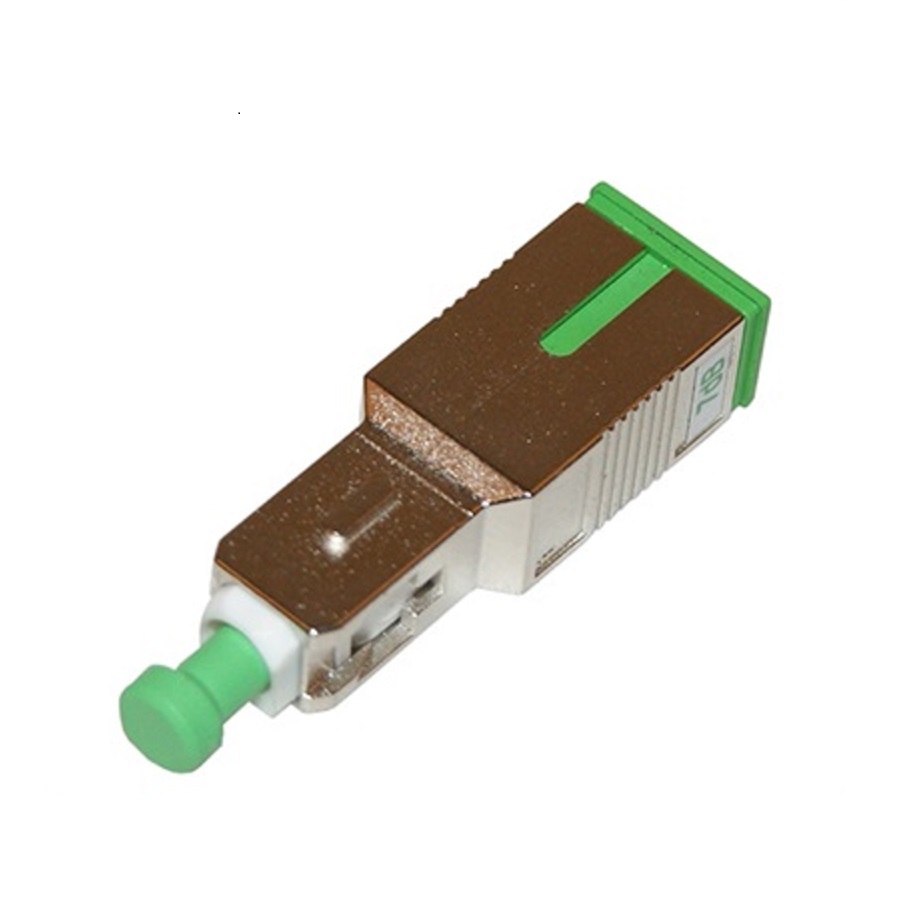
A fibre optic attenuator is a passive device that reduces the power level of an optical signal. They are commonly used when a signal arriving at a receiver is too strong, which could cause distortion or overload. Attenuators ensure the signal stays within the acceptable range of the receiving equipment, improving network stability and accuracy.
There are:
- Fixed attenuators that provide a set reduction (e.g., 5dB, 10dB).
- Variable attenuators that allow adjustable attenuation levels.
- Connector types, common options include FC, LC, SC, LC/APC, and SC/APC, matching the connectors on your fibre patch leads or panels.
- Polish styles, UPC (Ultra Physical Contact) vs APC (Angled Physical Contact); APC is used where return loss must be minimised.
When selecting, consider:
- Connector type must match your existing fibre connectors (e.g., LC, SC, FC).
- Polish type match UPC or APC to your connector style to avoid performance loss.
- Fibre type, singlemode (OS2) is most common for attenuators; multimode attenuators are rare.
- Attenuation value, choose the correct dB rating to reduce signal power to the receiver’s safe operating range.
Attenuators are often deployed in:
- Data centers to balance optical power in high-density fibre systems.
- Telecom networks between long-haul fibre links and sensitive receivers.
- Testing environments for simulating different signal conditions during system verification.
- FTTx/GPON networks where optical splitters may deliver higher than expected power to ONTs or OLTs.