Voice Test Equipment
FAQs
To get the most accurate results and trouble free TV installations:
- Always begin by checking cables, connectors, and LNB/aerial condition before aligning.
- Use the meter’s real time spectrum or quality indicators to make fine adjustments.
- Save or note the final signal readings for documentation or future service calls.
- Avoid aligning dishes based solely on visual estimates, use the meter for precision.
- Be aware of potential interference sources such as LTE/5G, power lines, or large reflective surfaces.
- Ensure firmware/satellite databases are up to date.
- Protect the meter from moisture and impacts when working outdoors.
Following these practices improves accuracy and ensures high quality reception for customers.
Recommended features depend on the type of tester:
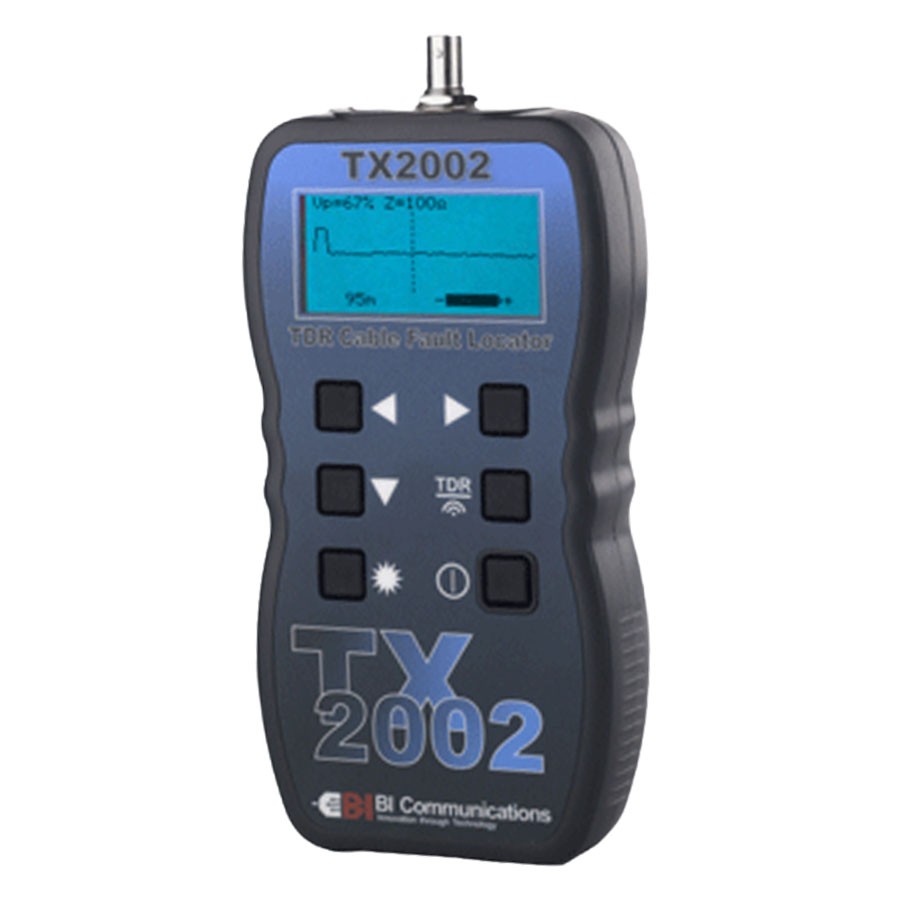
- Cable Fault Finders
Distance-to-fault measurement
Support for multiple cable types
Clear audible or visual indicators
- Telephone Line Testers
Line voltage and polarity display
Loop current measurement
Ring signal detection
Caller ID support
- Test Telephones (Butt Sets)
Rugged construction for field use
Tone/pulse dialling
High impedance monitoring mode
Rain and dust protection
- Tone Generators & Probes
Strong, clear tone
Multiple tone patterns
Noise resistant probe tip
Ability to tone through active network equipment
Choosing the right features ensures accurate diagnostics and faster troubleshooting
Choose based on the environment and tasks you typically perform:
- For general voice cabling installation: A tone generator and probe, plus a reliable test telephone, will cover most needs.
- For telecom field service technicians: Choose a full telephone line tester paired with a rugged butt set for live line access and diagnostics.
- For cable fault resolution on copper pairs: A cable fault finder with distance measurement can rapidly locate breaks or insulation faults.
- For working on distribution frames or internal PBX wiring: Use voice test cords compatible with IDC blocks, RJ sockets, and frame connections.
Selecting based on your role ensures you only carry the tools you need while maximising efficiency.
To ensure safe and accurate testing:
- Always verify the line state (live, ringing, or idle) before connecting your test gear.
- Use a high impedance mode on test telephones to avoid interrupting active calls.
- When tracing cables, disable or avoid interfering with live equipment where possible.
- Keep tone generators and probes clean, and check batteries regularly.
- Follow correct polarity connection when using test cords or line testers.
- Store tools in protective cases to avoid moisture, dust, and impact damage.
- Document faults, readings, and repairs for traceability.
Good practice ensures reliable voice services and reduces callbacks.