Data & Server Cabinets & Accessories
FAQs
A data cabinet is an enclosed unit designed to store networking equipment like patch panels, switches, and modems. It offers better security, noise control, and cable management. A server rack, on the other hand, is typically open or semi-open, optimised for cooling and accessibility, and is used primarily for housing servers and IT peripherals
Ventilation is crucial to prevent overheating of sensitive IT equipment. Poor airflow can lead to hardware failure, reduced performance, and shorter equipment lifespan. Many cabinets include vented panels, fans, or integrated cooling systems to maintain optimal temperatures.
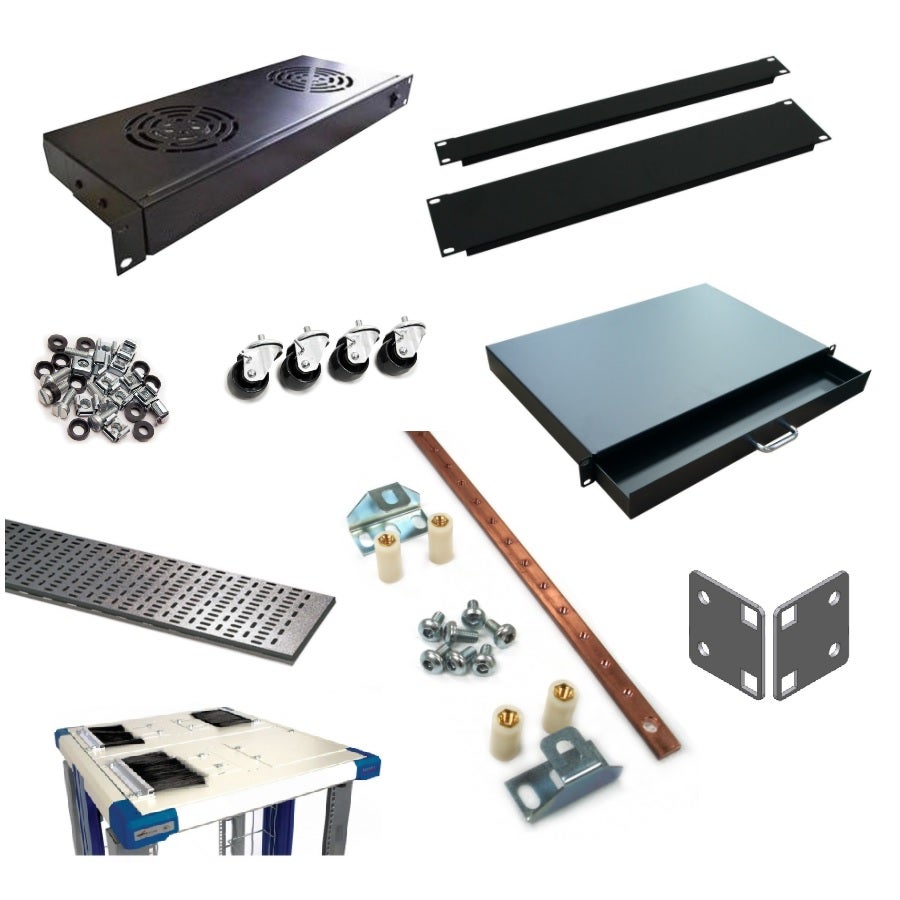
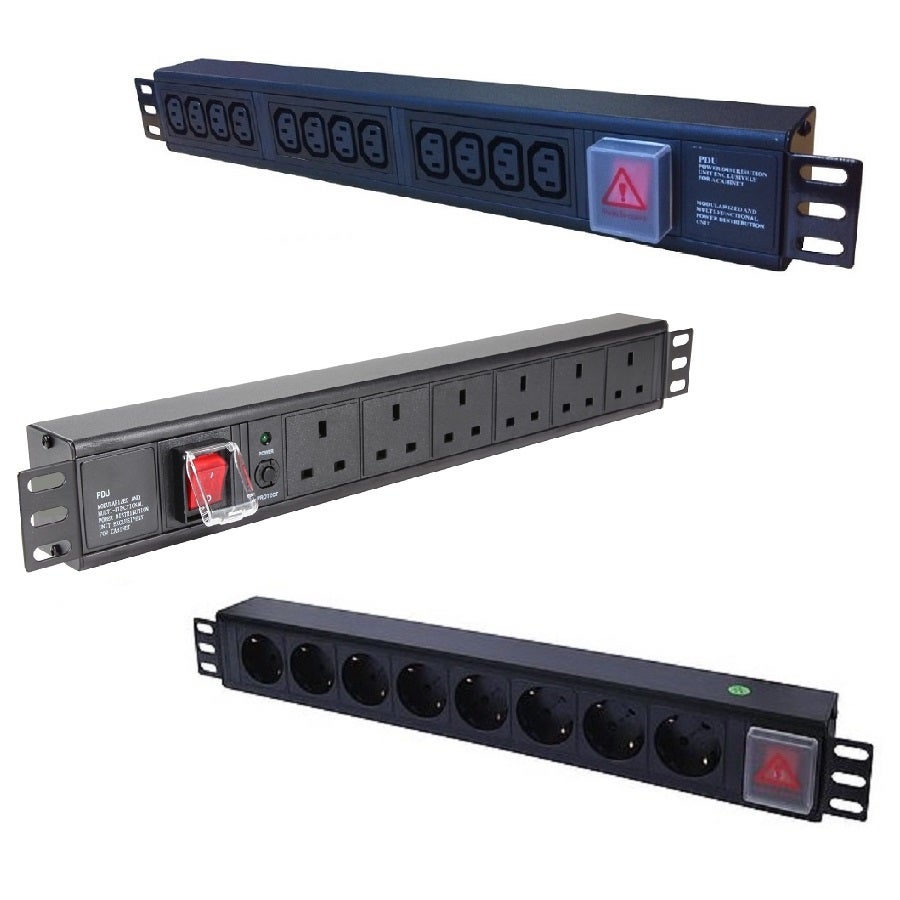
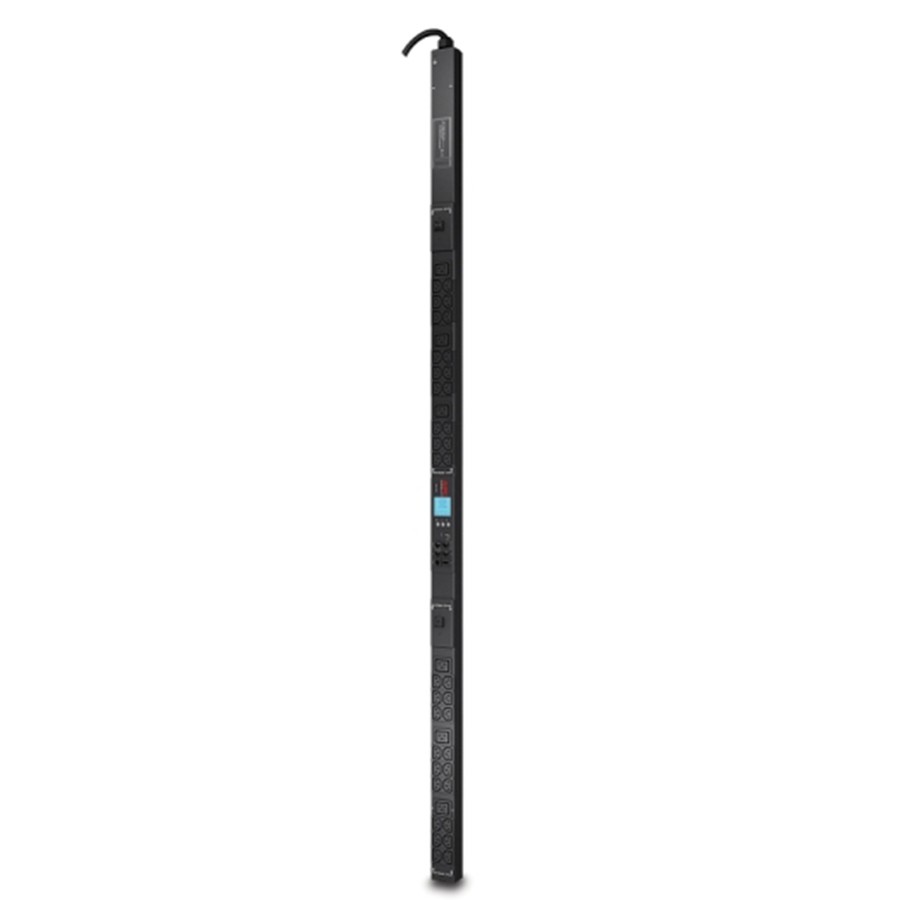
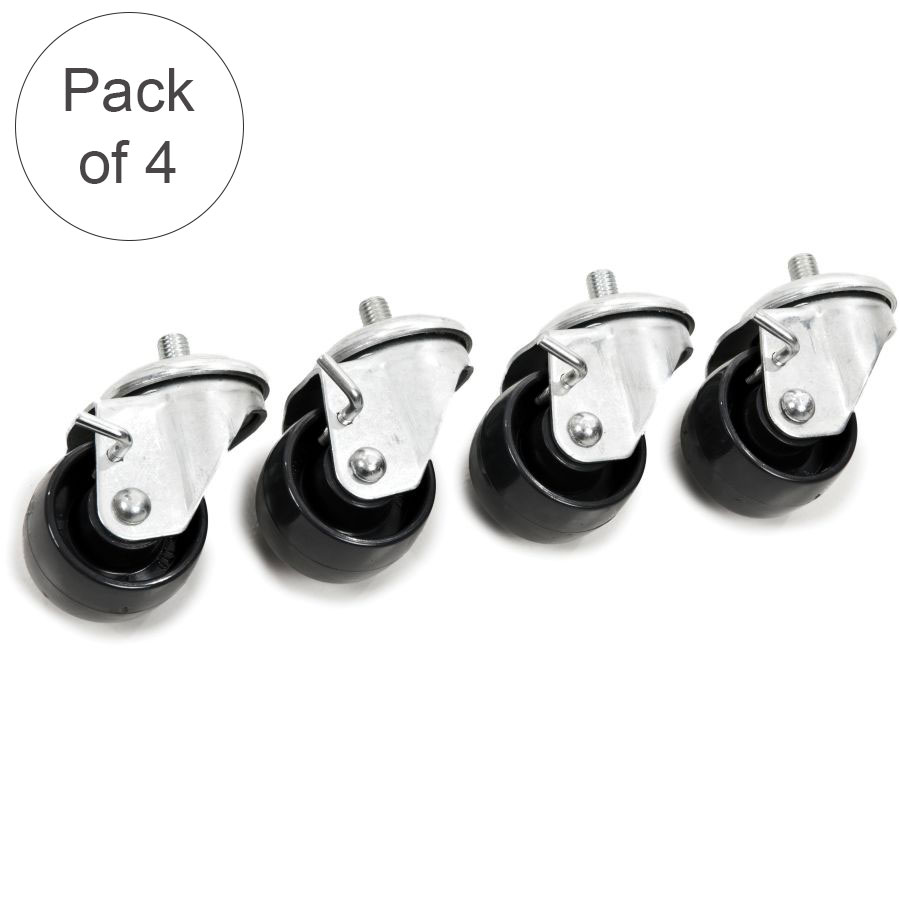
Common accessories for data cabinets include:
- Cable management arms and rings
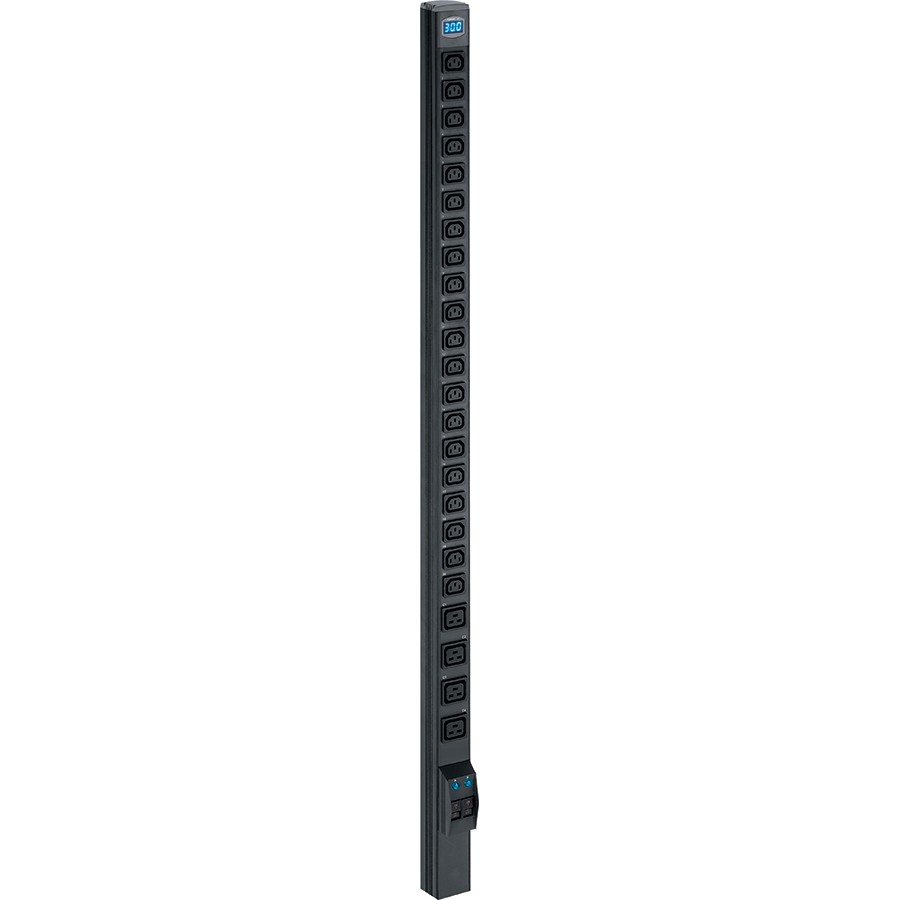
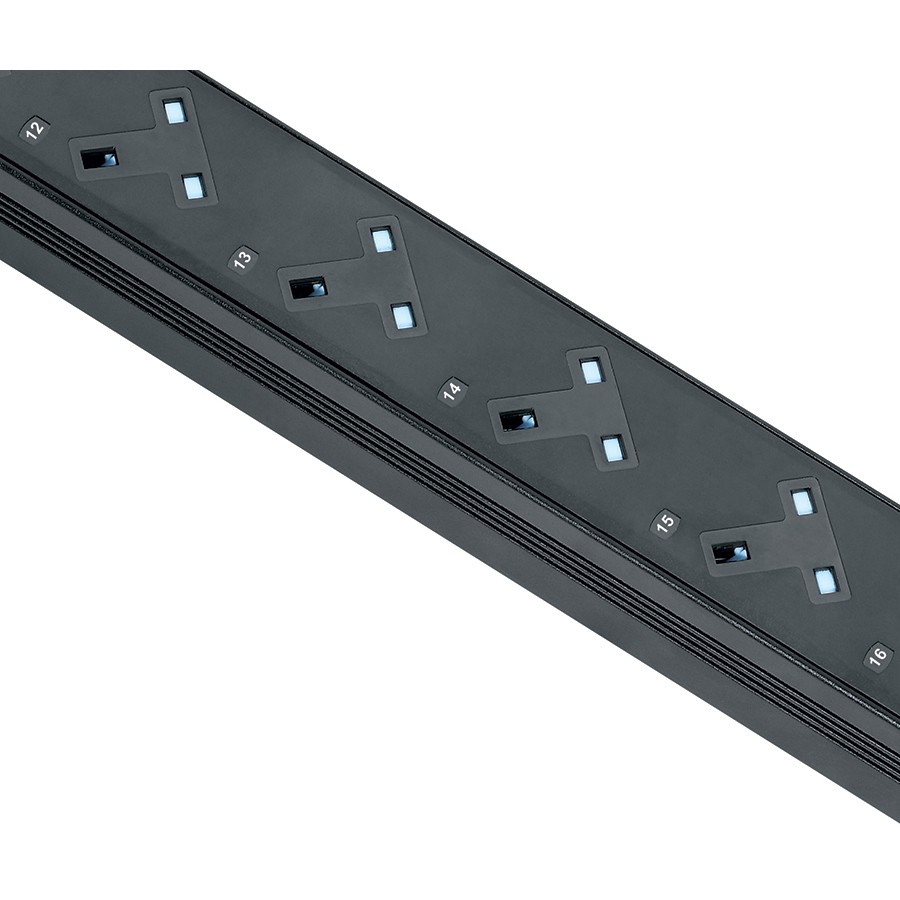
- Power Distribution Units (PDUs)
- Shelves (fixed or sliding)
- Blanking panels to improve airflow
- Security locks and monitoring sensors
These accessories help improve organisation, airflow, power management, and security.
Cabinet size is typically measured in rack units (U), where 1U = 1.75 inches. To choose the right size:
- List all equipment you plan to install
- Add extra space for future expansion and airflow
- Consider depth and weight capacity for larger servers
Common sizes range from 15U to 42U, with 42U being standard for full sized data centers.