Environmental Testing
FAQs
Environmental testing tools measure conditions that affect site safety, installation quality, and operational performance. Common equipment includes:
- Sound level meters measure noise levels on-site to ensure compliance with safety regulations or planning requirements.
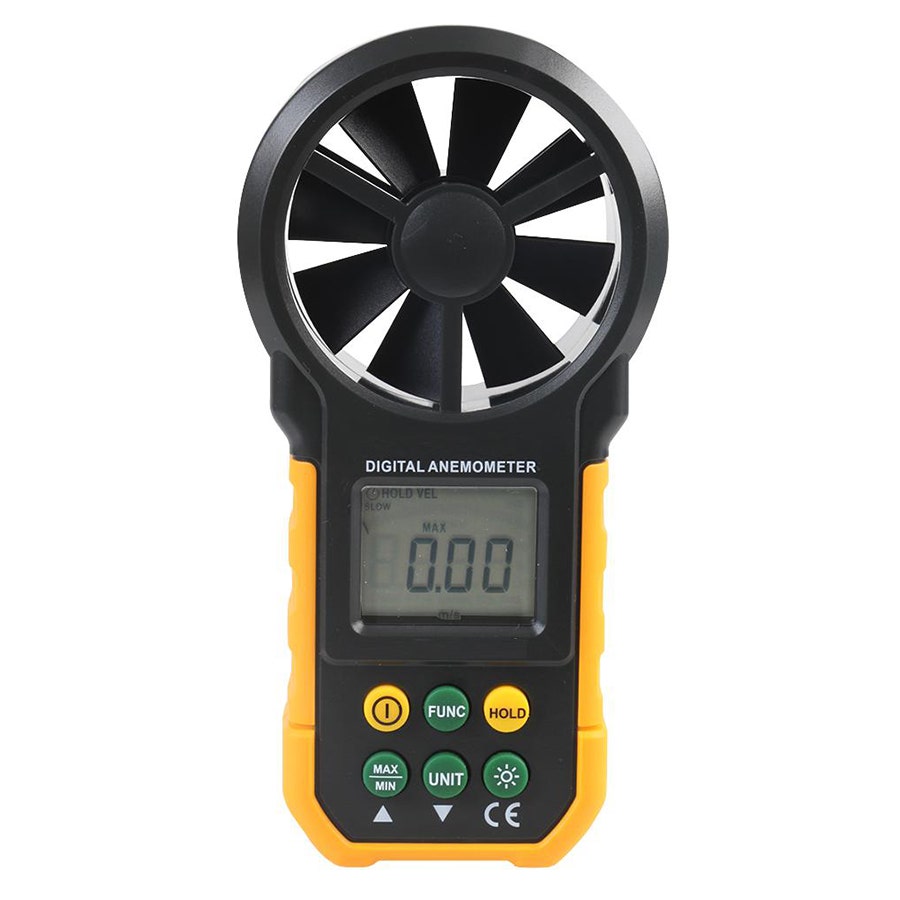
- Wind speed meters (anemometers) determine safe working conditions for overhead cabling, pole work, lifting operations, or outdoor installations.
- Temperature & humidity meters assess environmental conditions that impact equipment operation, storage, or cable performance.
- Environmental multimeters are combined devices for multi parameter monitoring.
These tools ensure engineers can work safely and maintain compliance with on-site environmental standards.
Key features depend on the environment and regulatory requirements:
- For Handheld Sound Level Meters:
dB range and sensitivity
A/C weighting options for industrial noise assessment
Fast/slow response modes
Data logging and downloadable readings
Backlit display for outdoor visibility
- For Wind Speed Meters:
Measurement range in m/s, km/h, or knots
Temperature and wind chill readings (useful for outdoor telecom work)
Rotating vane or digital impeller for accuracy
Max/min/average wind speed tracking
Rugged, weather resistant housing
These features help capture accurate environmental data in real working conditions.
Selection depends on your site conditions and safety requirements:
- For overhead cabling or pole work:
Use a wind speed meter to ensure safe working limits are met.
- For noise sensitive environments:
Choose a sound level meter with A-weighting and data logging (e.g., for construction, industrial sites, or near residential areas).
- For equipment rooms, shelters, or storage areas:
A temperature/humidity meter ensures conditions remain within operational tolerances.
- For multi-purpose field work:
A combined environmental meter provides several measurements in one handheld unit.
Selecting the correct tester ensures compliance, safety, and accurate assessments in the field.
To achieve reliable, repeatable measurements:
- Calibrate or verify the device regularly according to the manufacturer’s guidelines.
- Hold the tester steady and ensure no obstructions affect airflow or sound detection.
- Take multiple readings and use average values for accuracy.
- Avoid placing meters near reflective surfaces or vibrating machinery, which can distort readings.
- Store devices in protective cases to prevent dust, moisture, or sensor damage.
- For long term monitoring, log readings and compare results over time.
Good measurement practice ensures safe working conditions and reliable environmental data.