Rodding & Roping
FAQs
Rodding and roping equipment is used to clear, survey, and prepare ducts before installing fibre or copper cables. These tools help engineers:
- Push rods through ducts to check for blockages or obstructions
- Pull ropes or drawlines into ducts for cable pulling or blowing
- Support cable drum handling for smooth payout
- Complete pulling operations safely using rigging heads, weights, and dispensers
This equipment is essential for FTTx duct preparation, chamber-to-chamber roping, long-distance cable pulls, and general duct maintenance.
Netceed provides a complete range of professional grade duct installation tools, including:
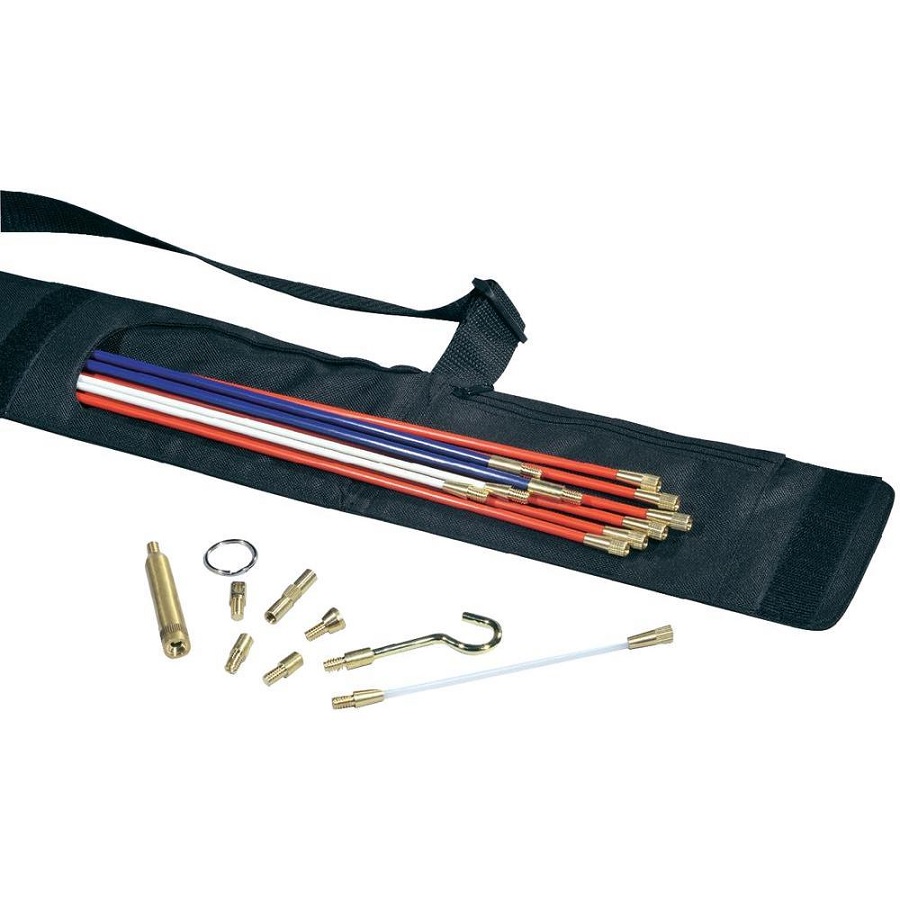
- Continuous duct rods and accessories push through ducts to install drawropes or check duct routes
- Cable rods (push rod sets) for navigating smaller conduits and short runs
- Drawropes and cabling ropes help pull fibre or copper cables through ducts
- Poly ropes and sash lines are lightweight roping for long routes
- Rigging heads and rigging weights guide rods and ropes safely through duct routes
- Rope tape and sash line dispensers are controlled payout and tangle-free installation
- Drain rod sets for clearing silt or debris in ducts
- Duct rod coupling pieces extend or repair rod sets
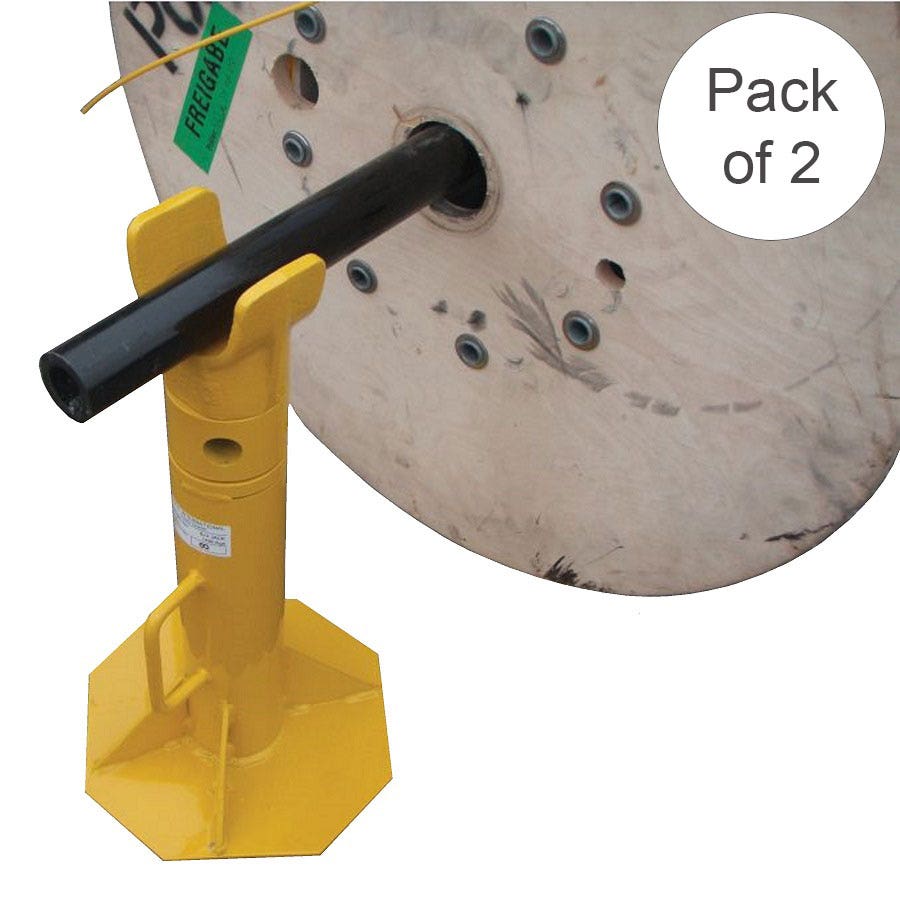
- Cable drum jacks and spindles support and elevate cable drums for safe payout
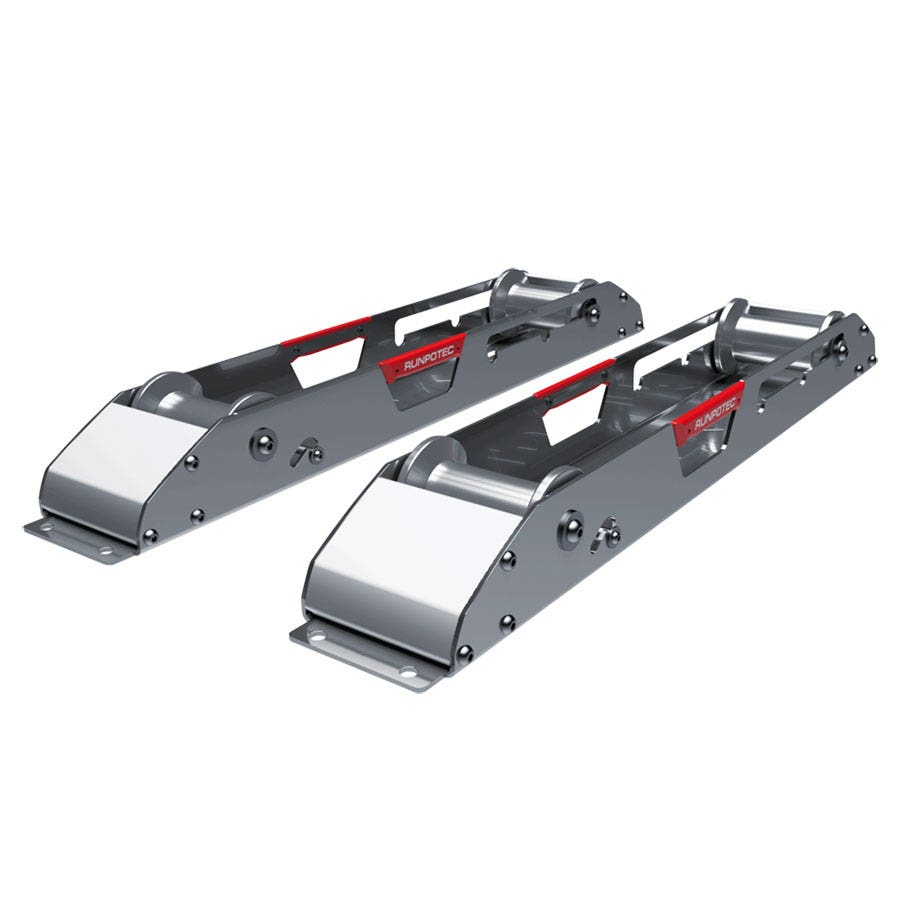
- Cable reel stands and drum rollers enable controlled drum rotation
- Pillar keys unlock and access telecom street cabinets and chambers
These tools support both civil works and telecom fibre installation teams.
Selection depends on duct length, installation method, and cable size:
Choosing duct rods
- Use continuous duct rods (6-14 mm) for long distance pushes
- Use flexible rod sets for short runs or tight bends
- Match the rod diameter to duct size and expected friction
Choosing ropes
- Poly ropes / sash lines for lightweight roping and long ducts
- Heavy-duty cabling ropes for pulling larger copper or multi-fibre cables
- Drawropes for standard chamber-to-chamber installations
Choosing drum handling equipment
- Drum jacks and spindles for heavy drums
- Drum rollers for mobile works
- Reel stands for controlled payout in fixed locations
Always check load rating, rope breaking strength, rod diameter, and duct clearance before selecting.
To ensure smooth, safe, and effective duct preparation:
- Inspect ducts with a duct rod before pulling cables
- Use rigging heads to avoid snagging and to guide rods smoothly
- Attach drawropes or sash lines securely to the rod end
- Ensure rope breaking strain matches the expected pulling load
- Keep rods and ropes clean and lubricated to reduce friction
- Secure cable drums on jacks, rollers, or reel stands to prevent uncontrolled movement
- Use PPE for handling ropes under tension (gloves, eyewear)
- Avoid excessive pulling force to prevent cable damage
Correct practice helps maintain cable integrity, reduces duct blockages, and ensures trouble free installation.