Manholes, Chambers & Furniture
FAQs
Underground access chambers and manholes provide protected, accessible points along a telecom or fibre route for:
- Housing splice closures, joint boxes, and splitters
- Managing duct entries and cable slack storage
- Allowing engineers to access, inspect, repair, or re-route cables
- Supporting cables using bearers, brackets, and cable support furniture
They are essential for FTTx distribution networks, long haul fibre routes, Openreach-style duct networks, and street level telecom infrastructure.
Netceed provides a complete range of telecom grade underground enclosure products, including:
- Stackable access chambers and covers are modular chambers for FTTx, copper, or power networks
- Joint boxes (concrete/composite) are underground housings for fibre/copper joints
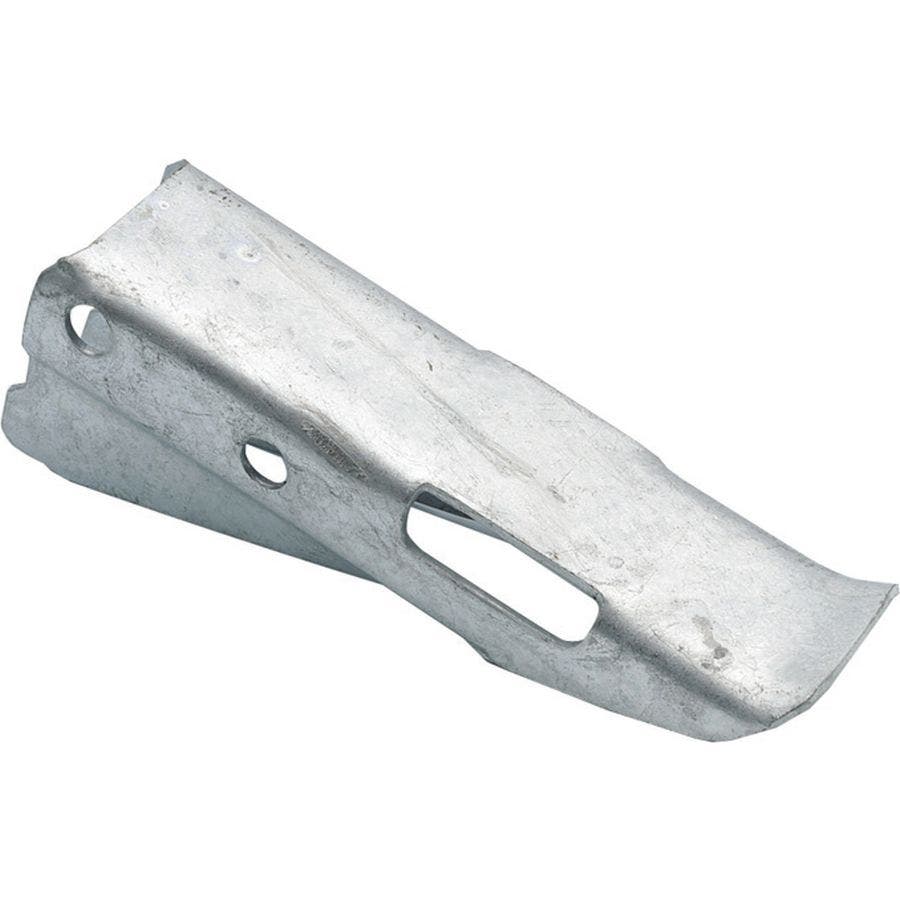
- Cable bearers and brackets support cables within chambers to prevent sagging
- Locking pin cable bearers are secure, anti-slip support designed for heavier cable loads
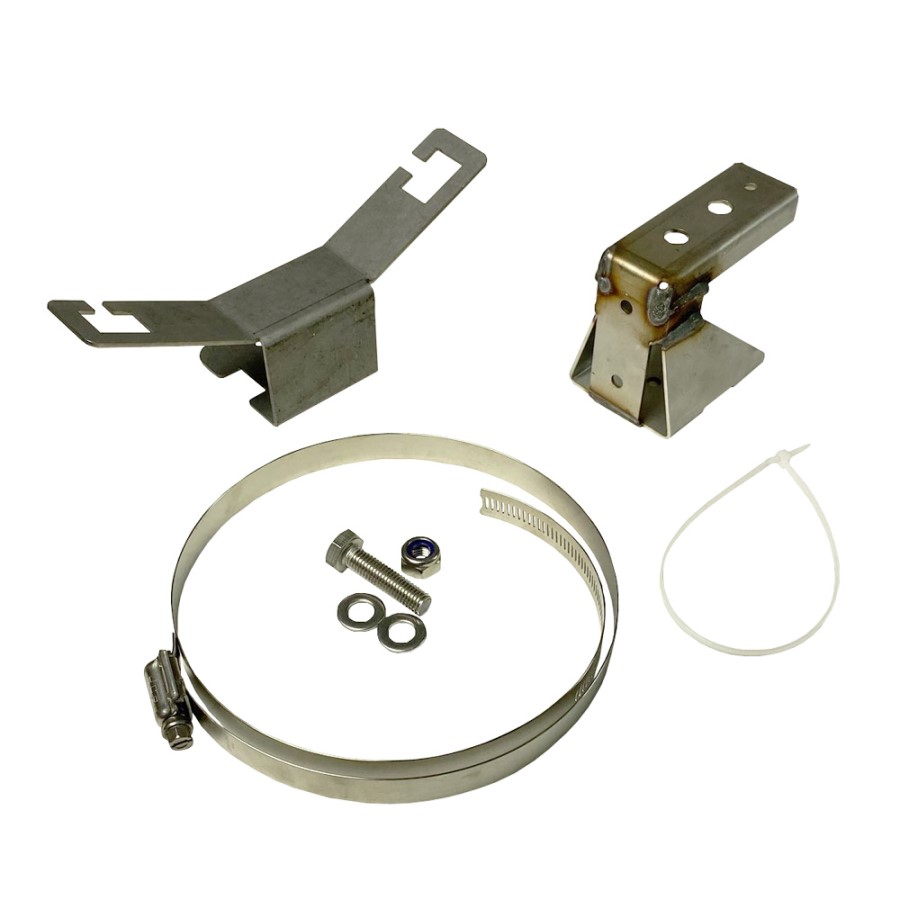
- MOBRA mounting brackets are wall mounting splice closures or equipment inside chambers
- Furniture fixing bolts fix chambers, bearers, and frame components securely
- Toby boxes are small access points for customer lead-ins or valve/duct access
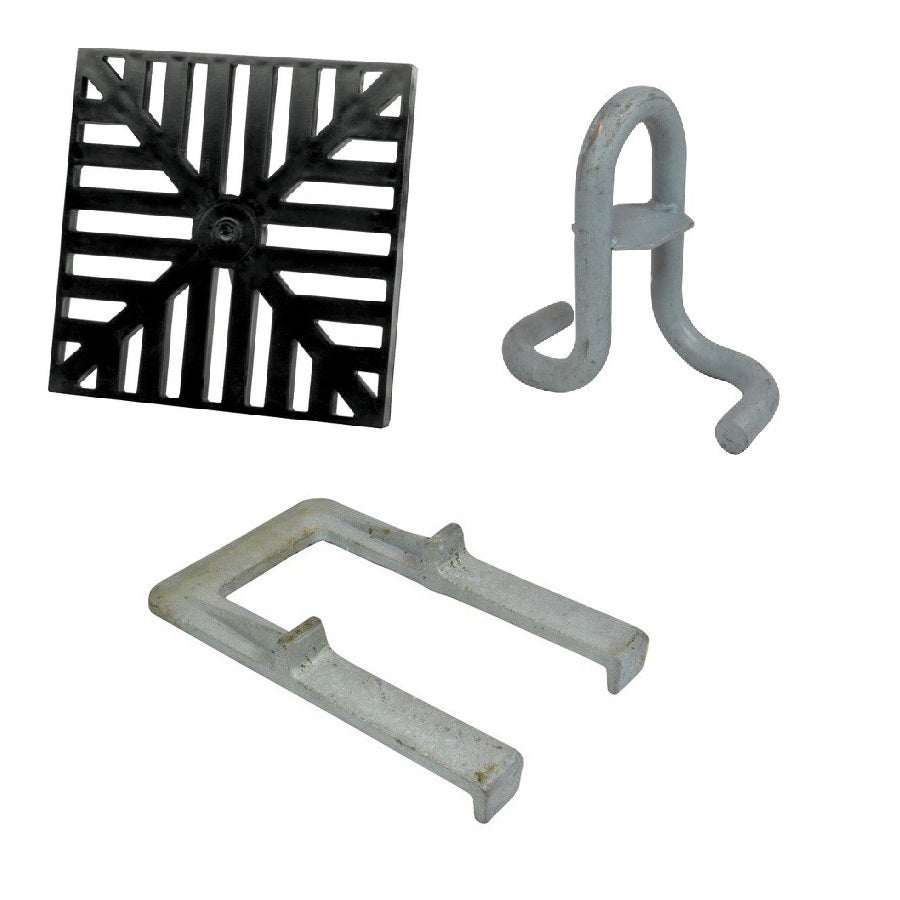
- Manhole accessories like steps, frames, lids, seals, lifting keys, and anti-slip components
These are all engineered for durability, load bearing capacity, and long term outdoor performance.
Selection depends on network type, load rating, and cable capacity:
For FTTx distribution nodes:
- Use stackable modular chambers with multiple duct entry points.
For high capacity fibre or copper joints:
- Choose larger joint boxes with adequate internal space for closures and trays.
For roadside or pavement installations:
- Select chambers with appropriate load class ratings (A15, B125, D400 depending on traffic).
For property lead-ins or small access points:
- Use Toby boxes or compact chambers.
For cable organisation:
- Include bearers, MOBRA brackets, and support rails to maintain neat routing.
Key factors to check:
- Internal dimensions
- Duct entry positions
- Load class
- Material (polymer, GRP, concrete)
- Required furniture (bearers, bolts, brackets)
To ensure a safe, durable, and compliant underground installation:
- Check ground conditions and create a stable, level foundation.
- Use correct bedding and backfill materials to prevent chamber movement.
- Fit cable bearers or support brackets to keep cables elevated and tidy.
- Seal unused duct entries to prevent water or vermin ingress.
- Ensure covers are seated correctly and match the required load rating.
- For fibre closures, mount using MOBRA brackets to keep joints accessible and protected.
- Use furniture fixing bolts rated for underground environments to prevent corrosion.
Following these practices ensures long term network reliability and reduces maintenance costs.