Fixings & Accessories
FAQs
Fixings are essential for securing cable trays, cabinets, brackets, conduits, trunking and equipment to a wide range of surfaces on-site. Common fixing types include:
- Wall plugs & screws for general mounting in brick or blockwork
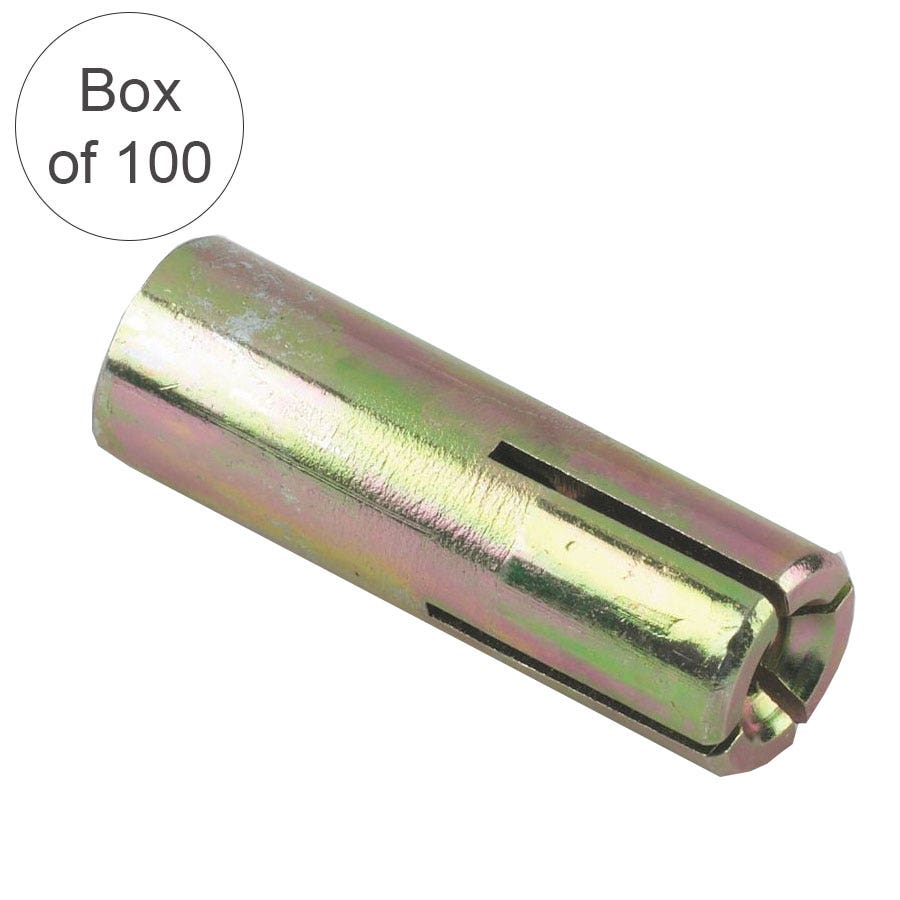
- Masonry anchors / wedge anchors for heavy duty loads like racks and cabinets
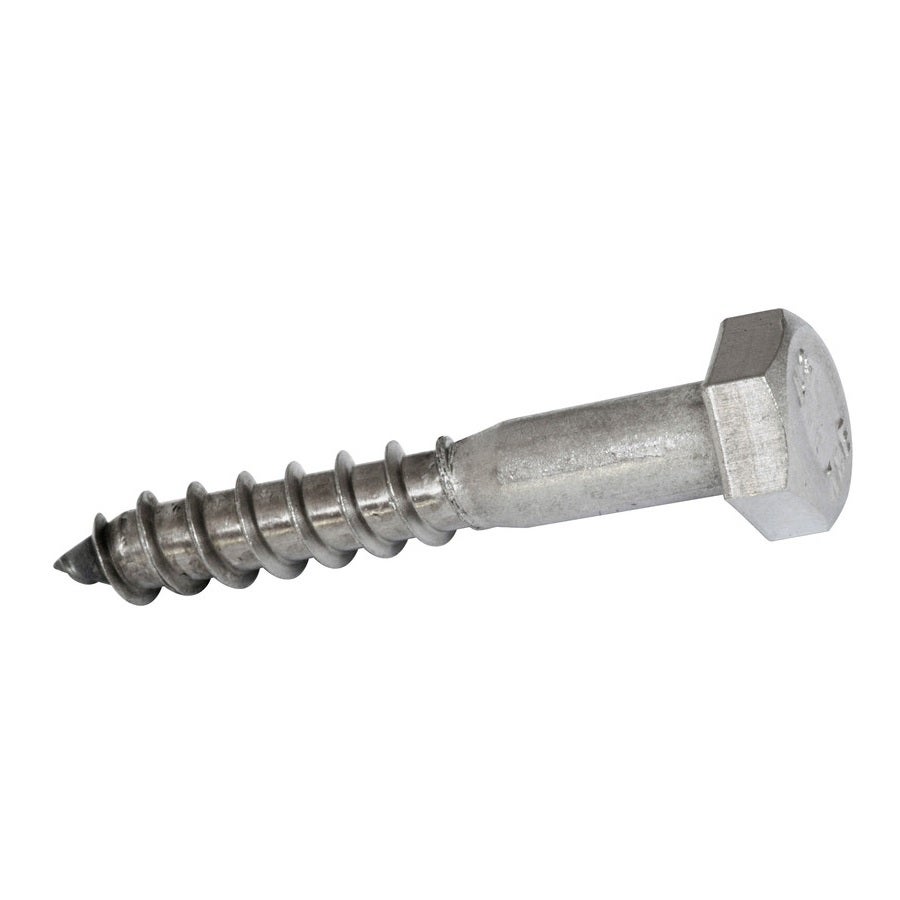
- Coach screws for timber framing and cable drum supports
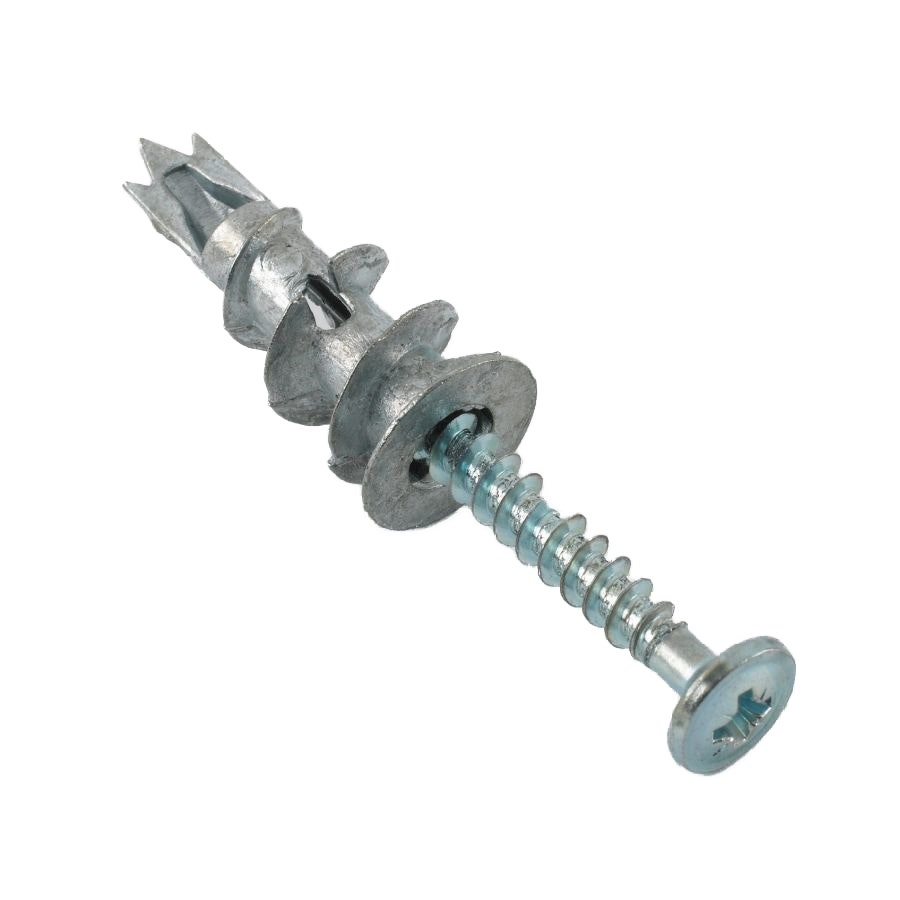
- Drywall fixings for light loads on plasterboard
- Nylon frame fixings for window frames, trunking and lightweight brackets
- Hammer fixings for fast fixing to masonry
- Resin anchors for high strength structural fixing
These fixings ensure safe, reliable and compliant installations.
Use the fixing that matches the wall or surface material:
- For brick or concrete use masonry anchors, hammer fixings, wedge anchors
- For plasterboard use drywall fixings or self drill anchors
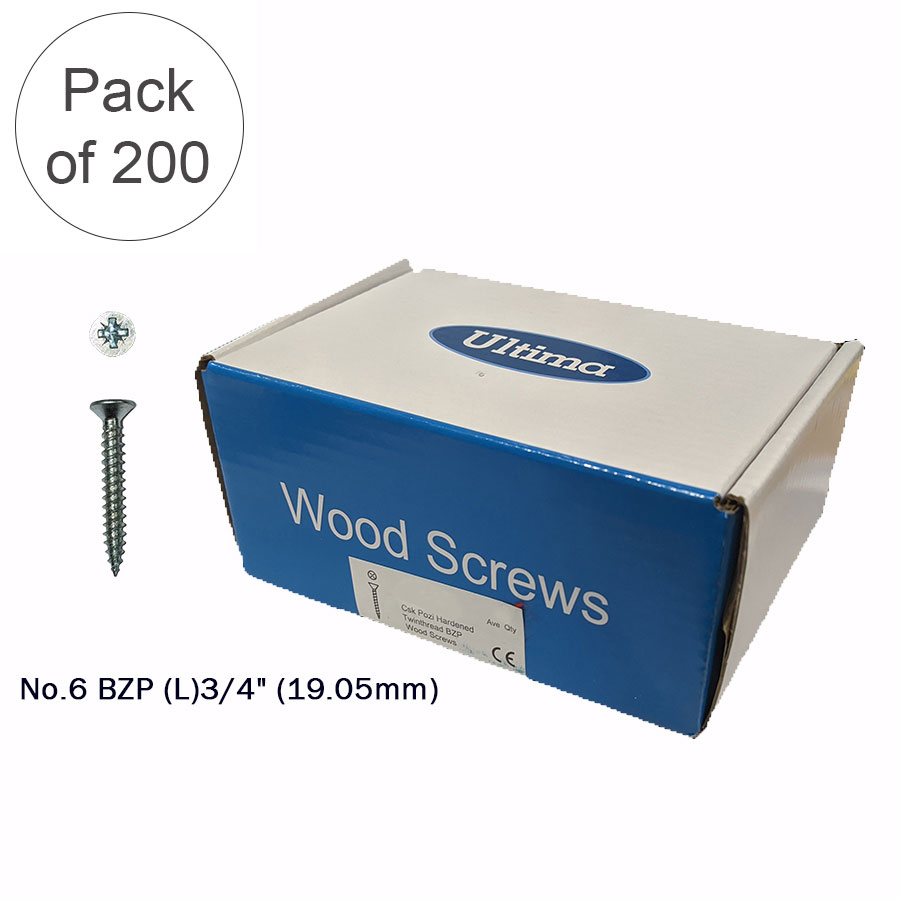
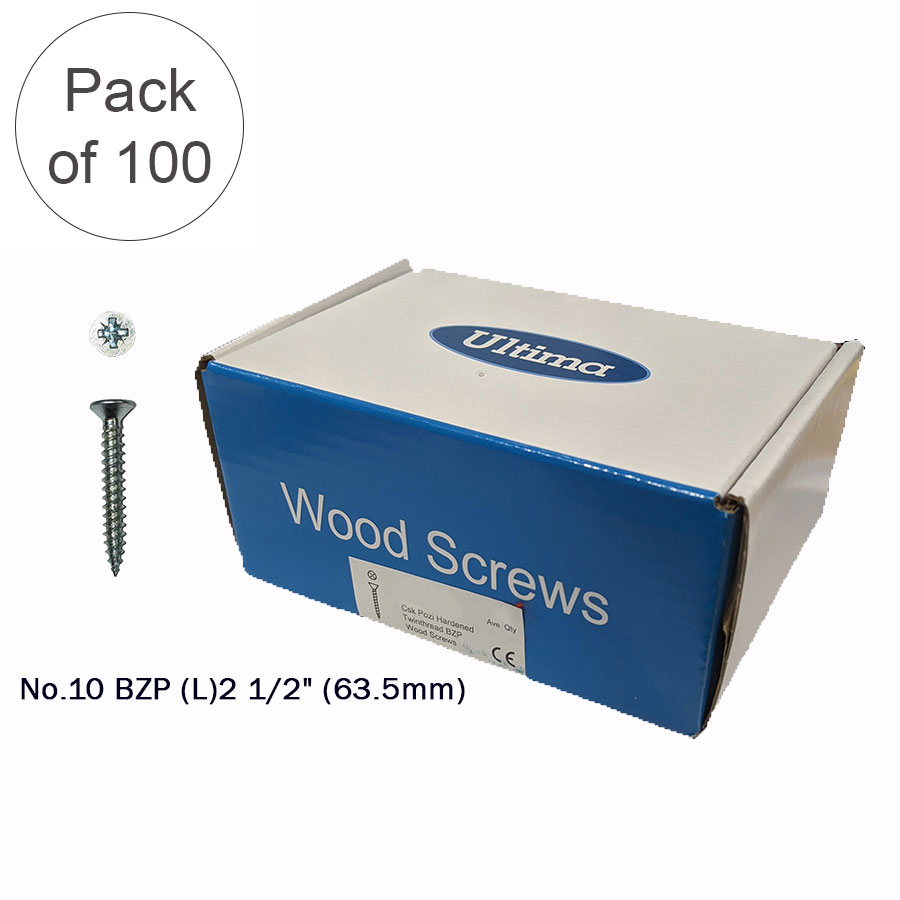
- For timber use wood screws, coach screws
- For steel use self drilling screws
- For hollow blocks use nylon frame fixings
- For heavy load areas use resin anchors / chemical fixing
Use resin anchors when:
- Fixing into weak, cracked or hollow walls
- Supporting high loads like server cabinets or cable ladders
- Outdoor installations where maximum stability is needed
- You need vibration resistance (e.g. near machinery or transport routes)
Resin offers superior grip and durability compared to bolts alone.
Along with fixings, installers often need:
- Fixing bands for securing pipes and cables
- Hose clips to fasten flexible ducting
- Flange clips for steelwork attachment
- Screw covers for neat finishes and protection
- Wall plugs for screw anchor support
- Spin-in resin capsules, a fast resin fixing option
Using the right accessories improves speed, safety and finish quality.