Gas Detection
FAQs
Personnel gas detection units are portable safety devices worn by engineers to alert them to dangerous gas levels in confined or hazardous environments. They are essential when working in or near:
- Underground chambers and manholes
- Cable ducts and joint boxes
- Utility access spaces
- Poorly ventilated environments
These detectors warn against gases such as oxygen depletion, methane, carbon monoxide, hydrogen sulphide, and other hazardous atmospheres. They help prevent accidents, ensure compliance with safety standards, and protect workers during installation and maintenance tasks.
Personnel detectors fall into three main categories:
- Single Gas Detectors
Monitor one specific gas (e.g., oxygen, CO, Hâ‚‚S). Ideal for predictable environments or known risks.
- Multi Gas Detectors
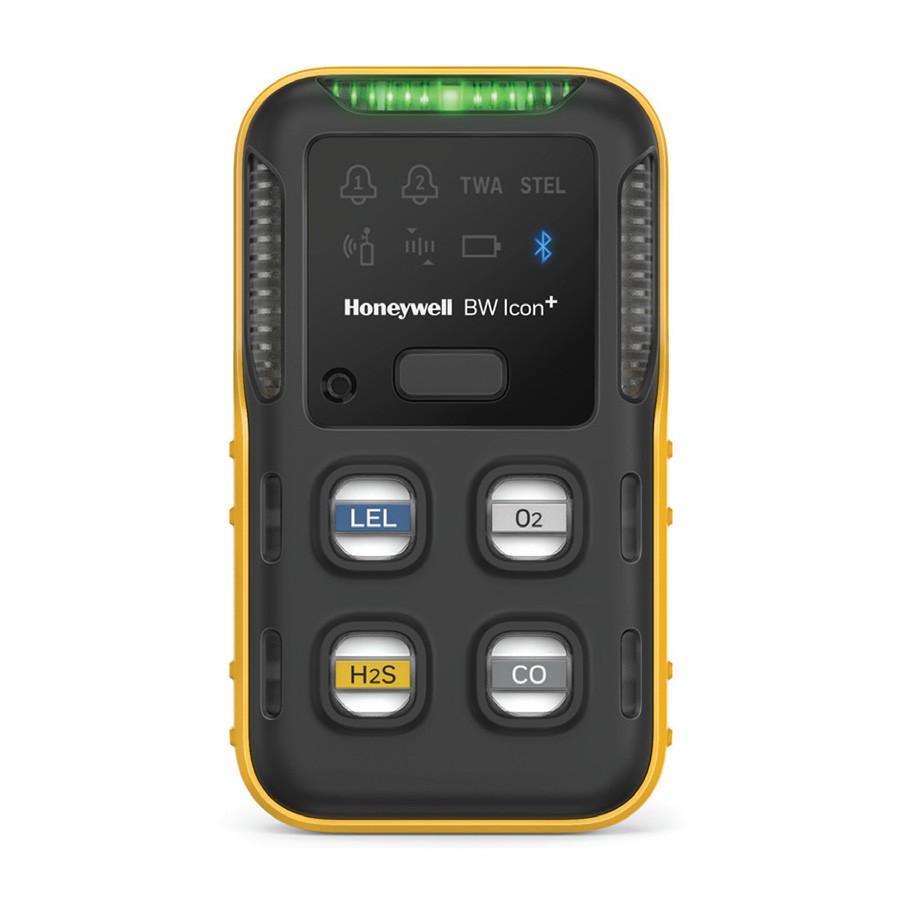
Monitor multiple gases simultaneously, typically the common four:
Oâ‚‚, CO, Hâ‚‚S, and combustible gases (LEL).
These are widely used for telecom & utilities field work.
- Wearable Clip On Detectors
Compact, hands free units designed for daily use with long operating life and minimal maintenance.
Different detector types allow engineers to select the right option based on risk level and site conditions.
Important features include:
- Real time gas level display
- Audible, visual, and vibrating alarms for noisy or confined spaces
- Battery life suitable for full shift operation
- Long-life sensors with minimal calibration requirements
- Lightweight, rugged design suitable for outdoor or industrial environments
- Data logging for safety audit reporting
- IP-rated housings for dust and water protection
- Clip or harness mounting for hands-free use
These features ensure reliability, safety compliance, and ease of use on busy field sites.
To stay safe and maintain accurate readings:
- Perform a bump test before each shift to confirm sensor and alarm function.
- Ensure the detector is fully charged and calibrated according to manufacturer guidelines.
- Wear the detector on your breathing zone (upper chest area) for accurate sampling.
- Avoid blocking vents or sensors with clothing or tools.
- Never enter a confined space unless the detector confirms it is safe.
- For multi gas units, monitor readings continuously, not just alarms.
- Store detectors in clean, dry conditions to preserve sensor life.
Following these steps ensures safe operation and accurate detection of hazardous environments.