Cat7 Cables
FAQs
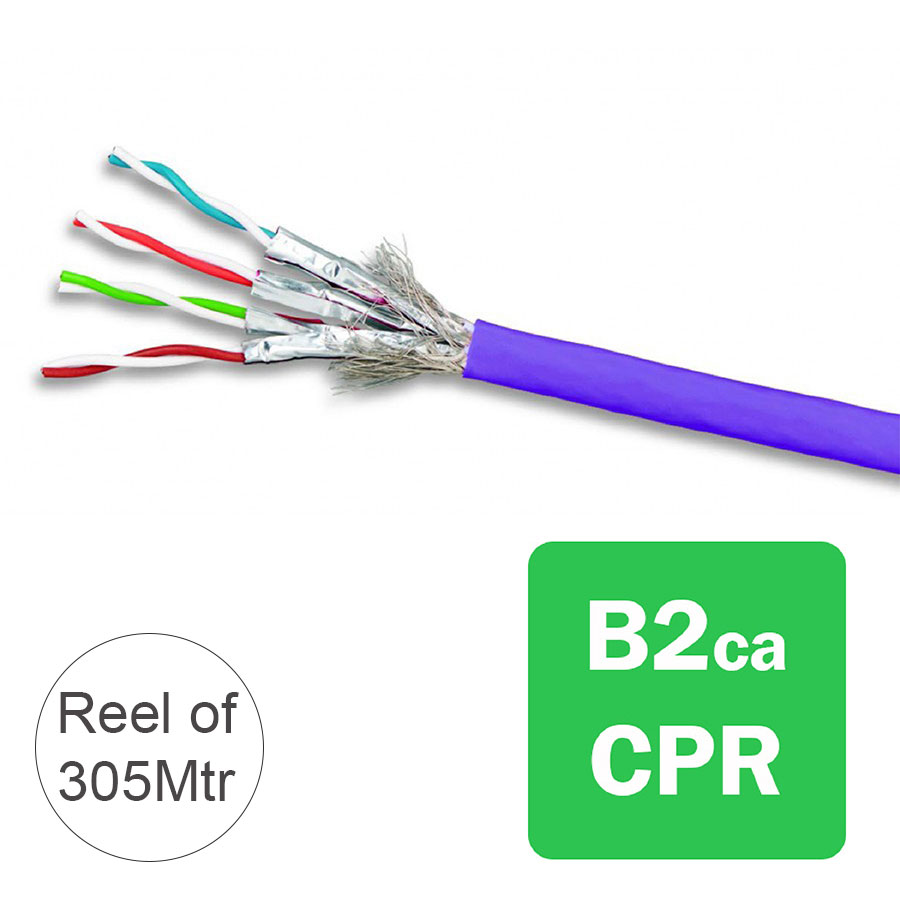
Cat7 cable is a high performance Ethernet cable standard designed for shielded network environments, supporting frequencies up to 600 MHz and 10 Gigabit Ethernet over 100 metres. Compared to Cat6A, Cat7 cables feature full shielding on each pair (S/FTP), offering superior protection against interference, although Cat6A is often more widely compatible with standard networking equipment.
Cat7 Ethernet cables provide enhanced shielding, reduced crosstalk, and improved signal stability, making them ideal for environments with high electromagnetic interference. They are commonly used in data centers, industrial networks, and high-performance computing setups where consistent, high-speed data transmission is critical.
Yes, Cat7 cables support 10GbE (10 Gigabit Ethernet) up to 100 metres, similar to Cat6A, but with higher frequency capacity (up to 600 MHz). In some specialised setups, Cat7 can deliver higher speeds over shorter distances, making it a future-ready option for demanding network infrastructures.
Cat7 cables are best suited for high interference environments, mission critical networks, and long-term infrastructure projects where maximum shielding and performance consistency are required. However, for standard office or commercial installations, Cat6A may offer a more cost effective and widely compatible alternative.