Measuring
FAQs
Measuring tools are essential for achieving accuracy, alignment, and precision during installation and construction tasks. Common types include:
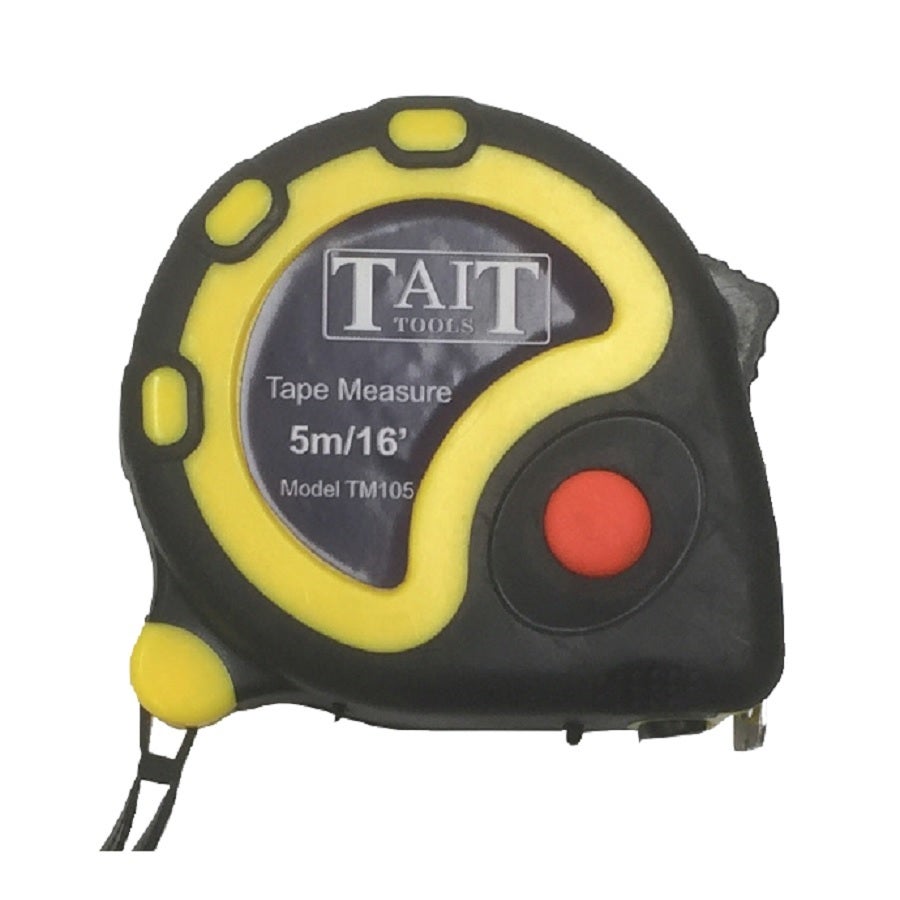
- Measuring tapes (standard & surveyors) for measuring cable runs, conduit lengths, or site layouts.
- Set squares ensure accurate 90° and 45° angles during bracket or trunking installation.
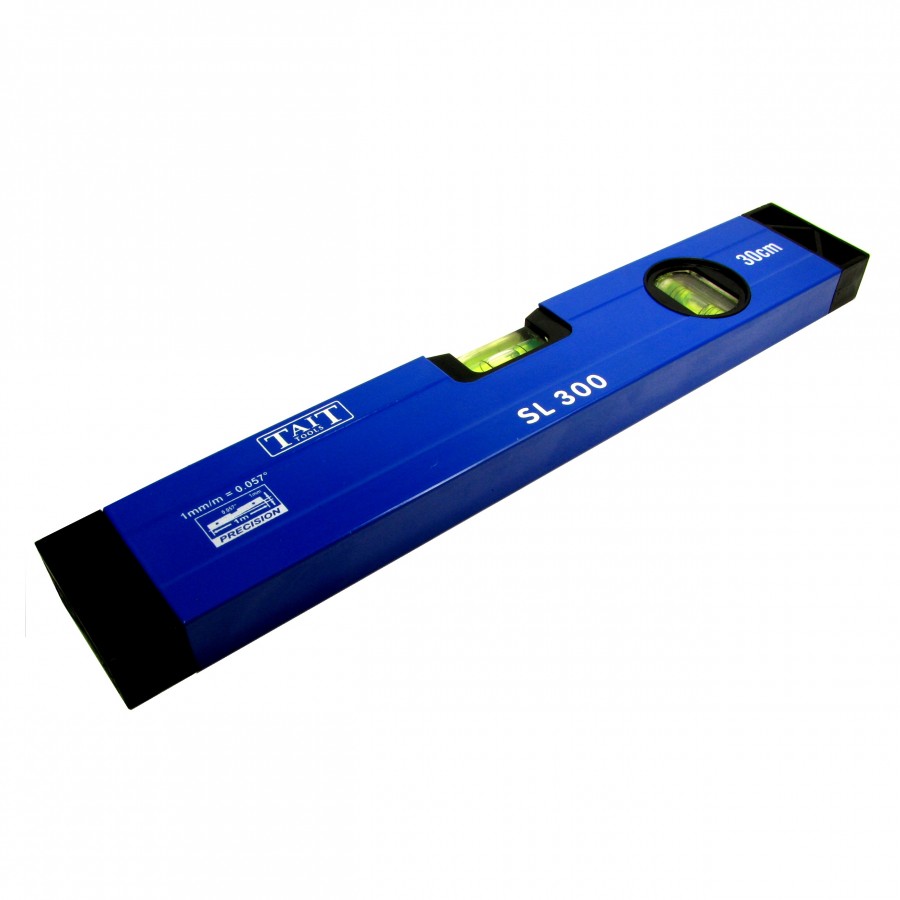
- Spirit levels (standard & aluminium) are used to check level and plumb alignment when mounting cabinets, trays, or conduits.
- Steel rules provide precise linear measurements for small scale cutting or fabrication.
- Vernier calipers are ideal for measuring cable diameters or connector fittings with high precision.
- Tyre depth or depth gauges are used for measuring depths of holes, channels, or recesses in materials.
These tools help ensure professional quality installations and compliance with industry accuracy standards.
Standard tape measures are compact, retractable steel or fibreglass tapes for short to medium distances (up to 8-10 metres). Commonly used for indoor installations, cutting cable lengths, or positioning outlets.
Surveyors’ tape measures are long, open reel tapes (30m-100m) designed for large scale site measurements, ideal for laying underground ducting routes, external cable runs, or construction marking. Surveyors’ tapes are often fibreglass based for flexibility and weather resistance, while standard tapes are typically steel or nylon coated for durability and precise readings.
When selecting a measuring tool, consider:
- Measurement range, ese short steel tapes or rules for small tasks, long fibreglass tapes for outdoor or extended measurements.
- Material durability, choose aluminium or stainless steel spirit levels for harsh environments.
- Precision requirements, use vernier calipers or steel rules for tight tolerances and precision fitting work.
- Ease of use, look for clear markings, ergonomic grips, and magnetic or foldable features for convenience.
- Environmental conditions, for outdoor work, select rust and moisture resistant tools that can withstand site exposure.
The right tool ensures accuracy, repeatability, and time efficiency on-site.
Benefits include:
- Accuracy, high quality instruments ensure consistent, repeatable measurements.
- Durability. made from tough materials to withstand construction environments.
- Efficiency, speeds up installation by reducing the need for remeasurement or corrections.
- Safety, proper alignment of cables and structures prevents mechanical stress or installation faults.
- Professional finish, ensures cable trays, racks, and equipment are installed straight, level, and precise.