We use cookies to make your experience better. To comply with the new e-Privacy directive, we need to ask for your consent to set the cookies. Learn more.

Shop By Category
-
Blown Fibre

-
Cleaning & Lubricants

-
Fibre Attenuators

-
Fibre Cable

-
Fibre Connectors & Adaptors

-
Fibre Distribution & Breakout Boxes

-
Fibre Distribution Racks (ODF)

-
Fibre Outlets

-
Fibre Patch Leads

-
Fibre Patch Panels

-
Fibre Pigtails

-
Fibre Splicing

-
Fibre Tools

-
FTTx Fibre Cabling

-
MPO/MTP

-
Pre-Terminated Fibre

-
Splicing Termination & Fixings

-
Wave Division Multiplexing (WDM)

Shop By Product
-
SPECIAL OFFER813586Aginode LANmark-OF Plug&Play Patch Panel Unloaded 4 Cassettes Black (H)1U (W)19"
 Was £126.03 £68.68


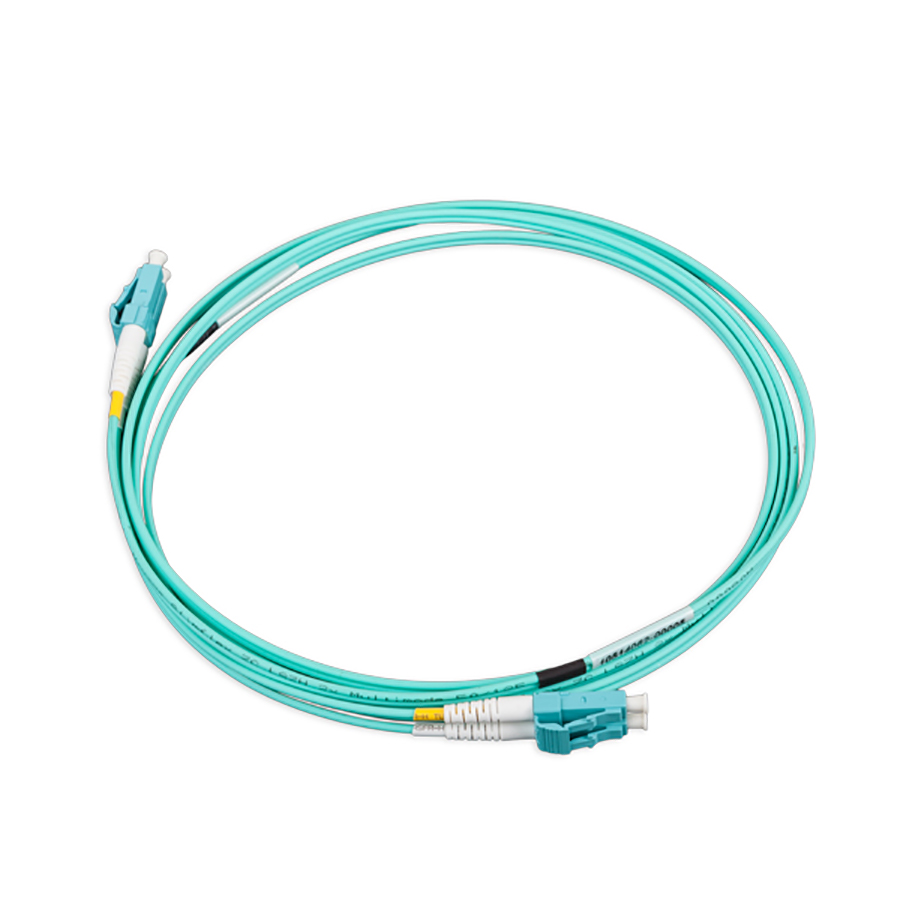


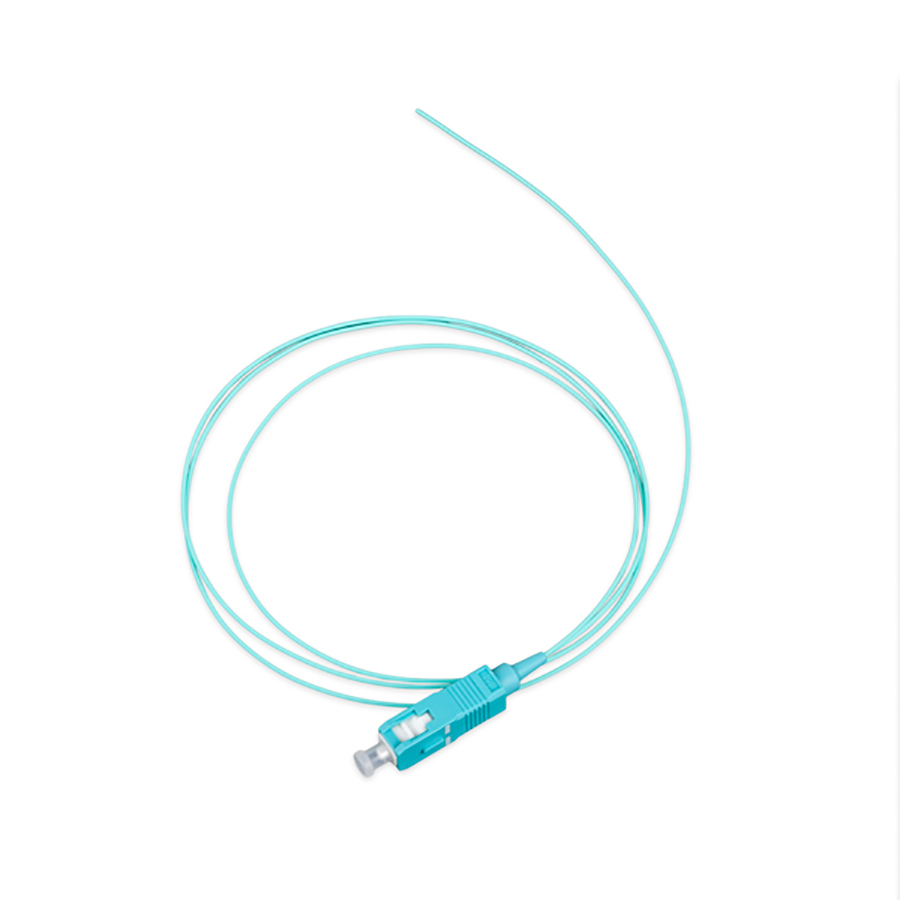


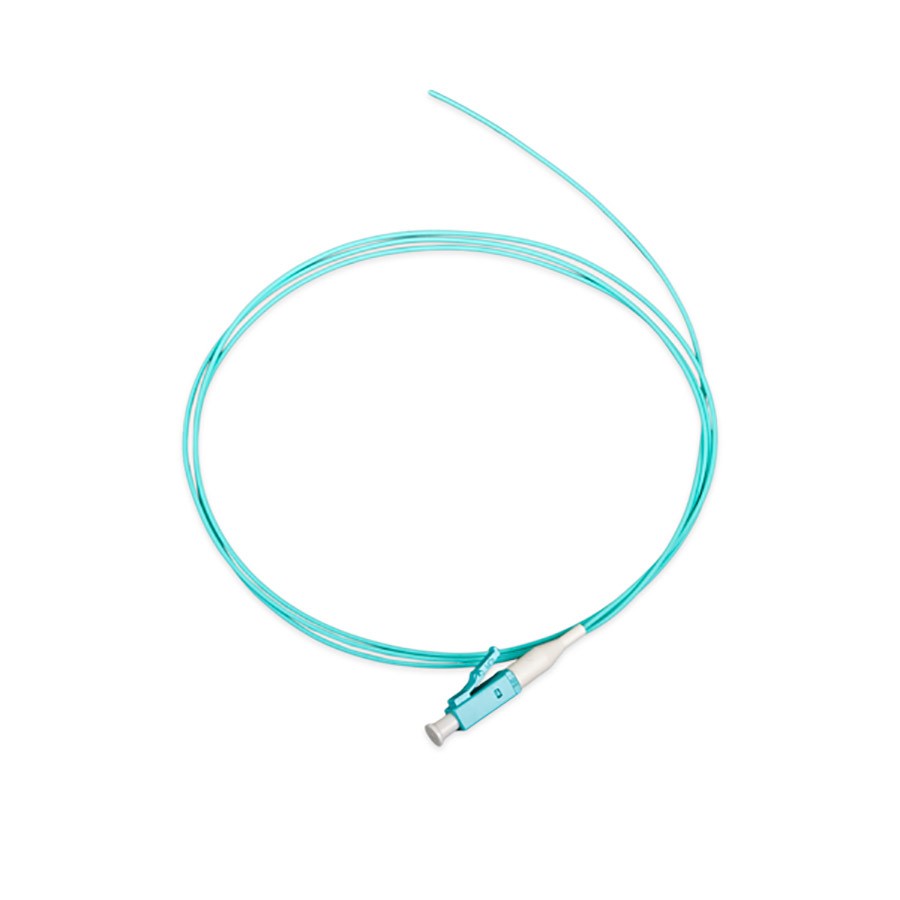


Our comprehensive inventory includes fibre optic cables, patch leads, pigtails, connectors, patch panels, breakout boxes, and dome closures – all designed to deliver reliable performance and seamless connectivity. Whether you're building a new fibre optic network or upgrading an existing one, we have the fibre optic cables you need to ensure optimal data transmission and network reliability. These fibre optic tools and equipment are sourced from trusted manufacturers, ensuring precision, durability, and ease of use.