Cable Ties & Accessories
FAQs
Cable ties are used to secure, bundle and manage cables in telecoms, fibre, data, and electrical installations. Different cable tie types suit different environments:
- Nylon (standard) cable ties for everyday cable bundling
- Hook & loop (Velcro-type) are reusable, ideal for data racks and patching
- LSZH cable ties are low smoke, zero halogen for fire sensitive installations
- Stainless steel cable ties for harsh, high temperature or outdoor sites
- Metal detectable cable ties for food/medical environments
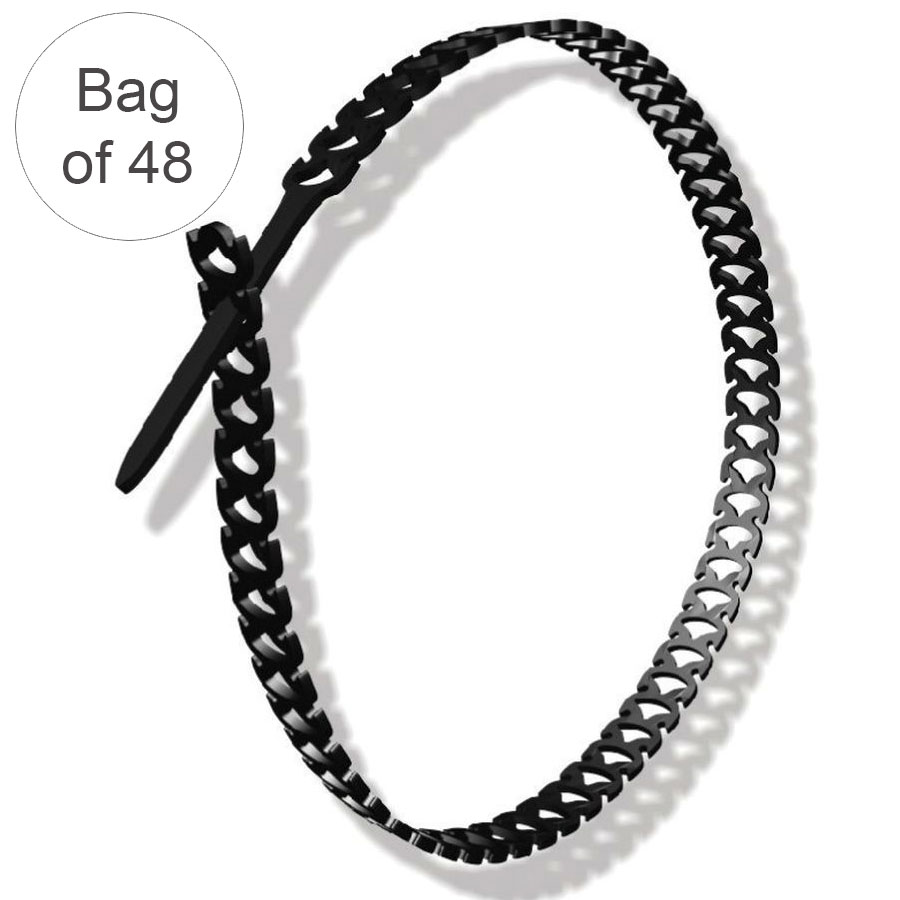
- Rapstraps are reusable and gentle for delicate fibre bundles
Cable tie mounts help fix bundles to surfaces. Popular types include:
- Cable tie bases to mount ties to walls, panels, or enclosures
- Self adhesive tie bases for fast mounting without drilling
- Push-in cable tie mountsto clip into chassis or panels
- Cable tie identification markers to label cables during installation
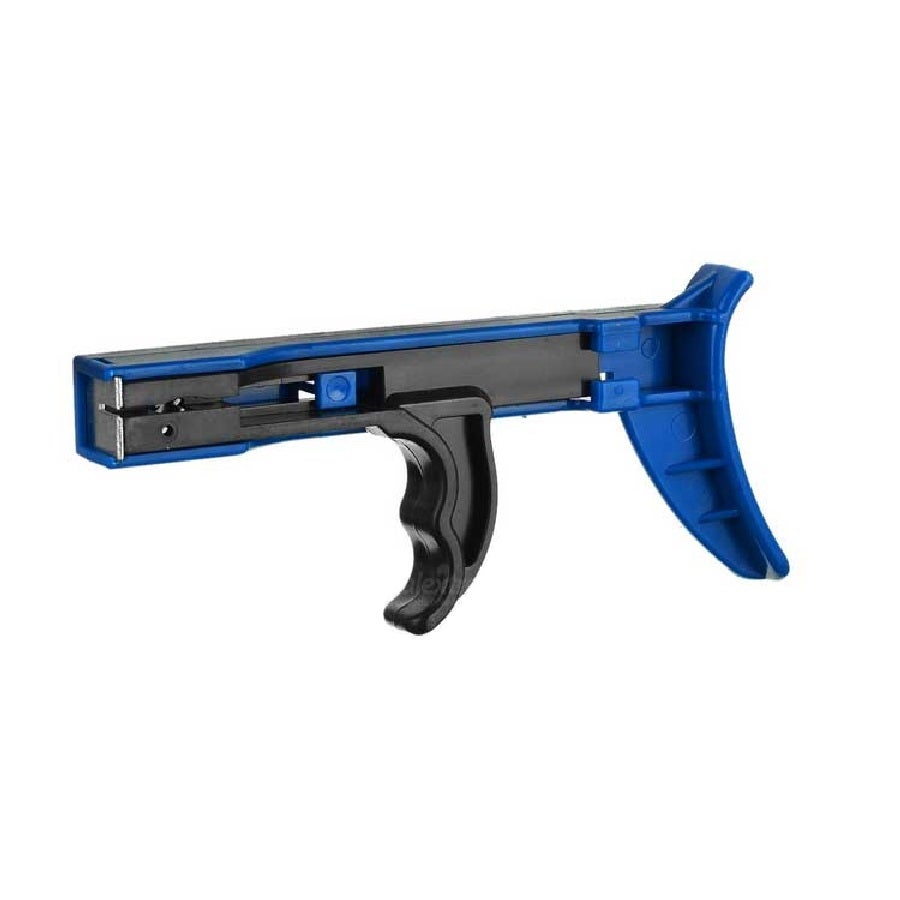
- Cable tie tools to tension and cut ties neatly for professional finish
These accessories improve cable organisation and support tidy, compliant installations.
When selecting cable ties, consider:
- Environment, like for outdoor/UV exposure, choose UV-rated or stainless steel.
- Safety requirements, use LSZH ties in rail, offshore, public buildings and data centers.
- Temperature, lylon ties: -40°C to +85°C. Stainless steel: up to +500°C.
- Strength, check tensile strength rating based on cable load.
- Reusability, for patch panels or temporary setups, choose hook & loop or releasable ties.
Use the right mounting method for the surface:
- Metal cabinets/tray use push-in mounts or screw mounts
- Concrete/masonry use screw tie bases with wall plugs
- Flat indoor surfaces, use self adhesive tie bases
- Outdoor poles/ducts use stainless steel cable ties
- Patch panels use hook & loop ties
Use cable tie tools for consistent tensioning to avoid damaging cables, especially fibre cables.