Active Equipment
FAQs
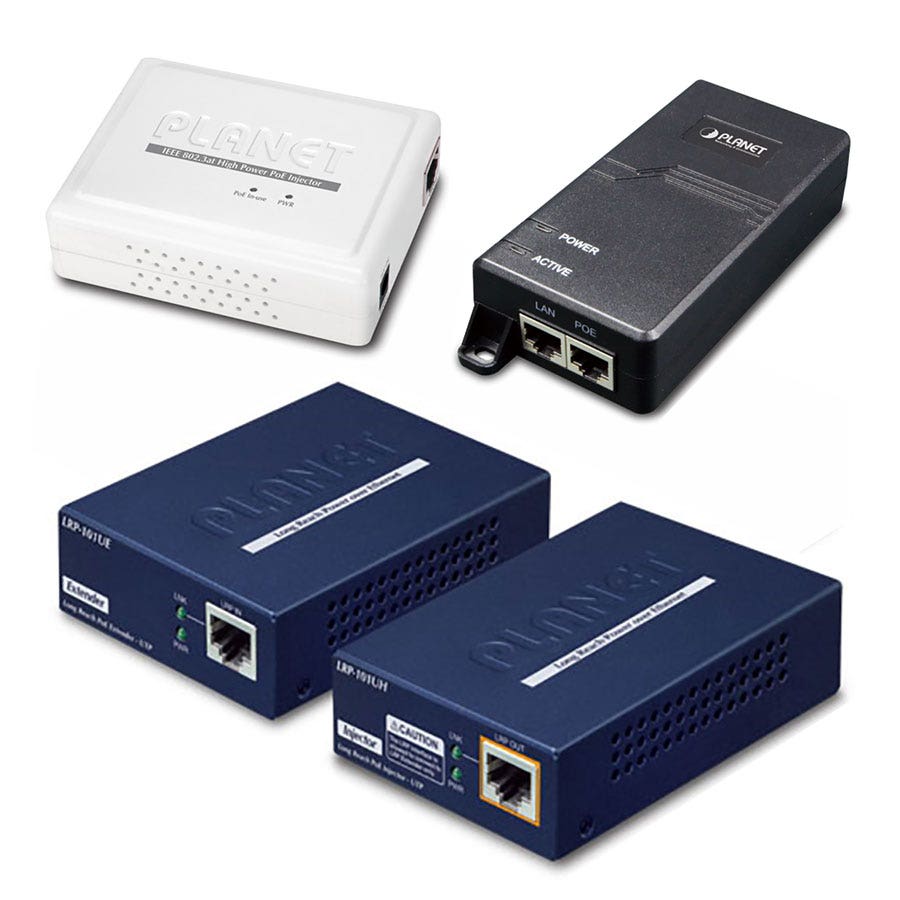
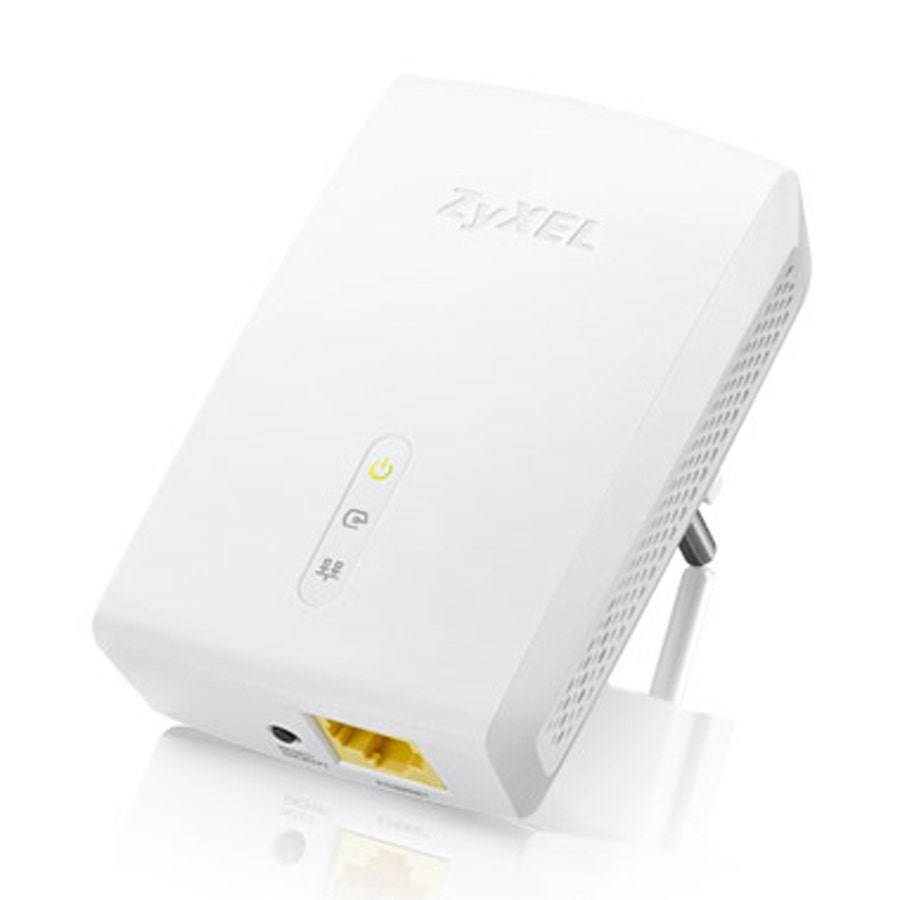
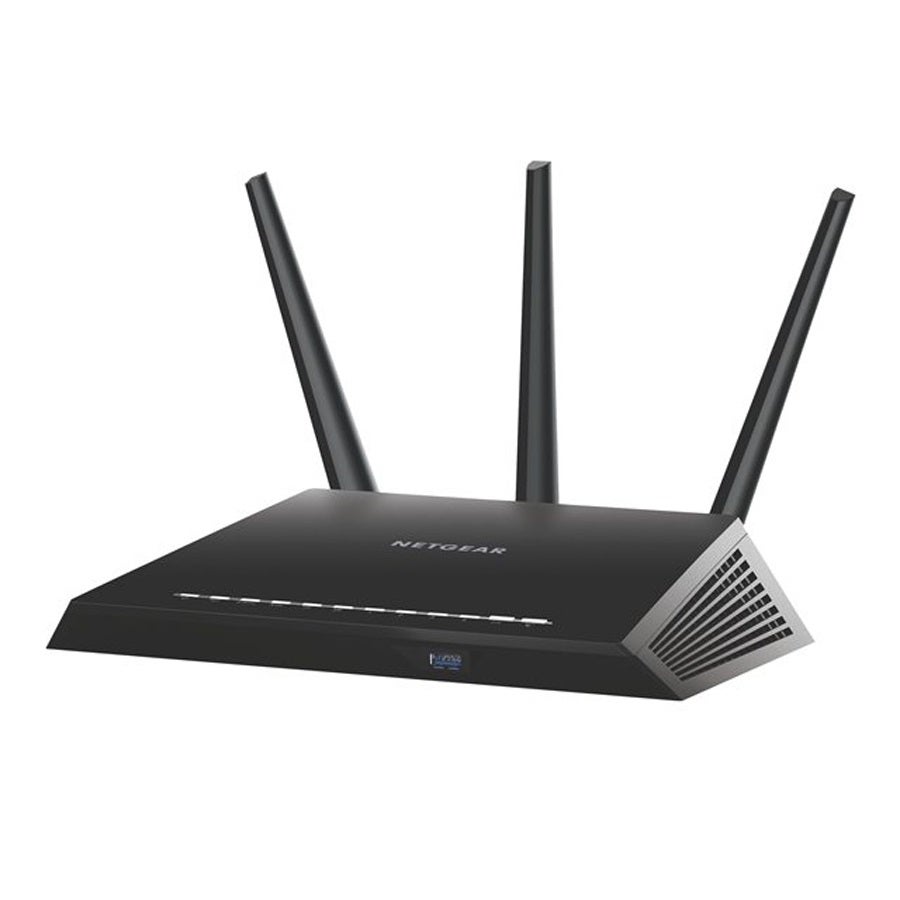
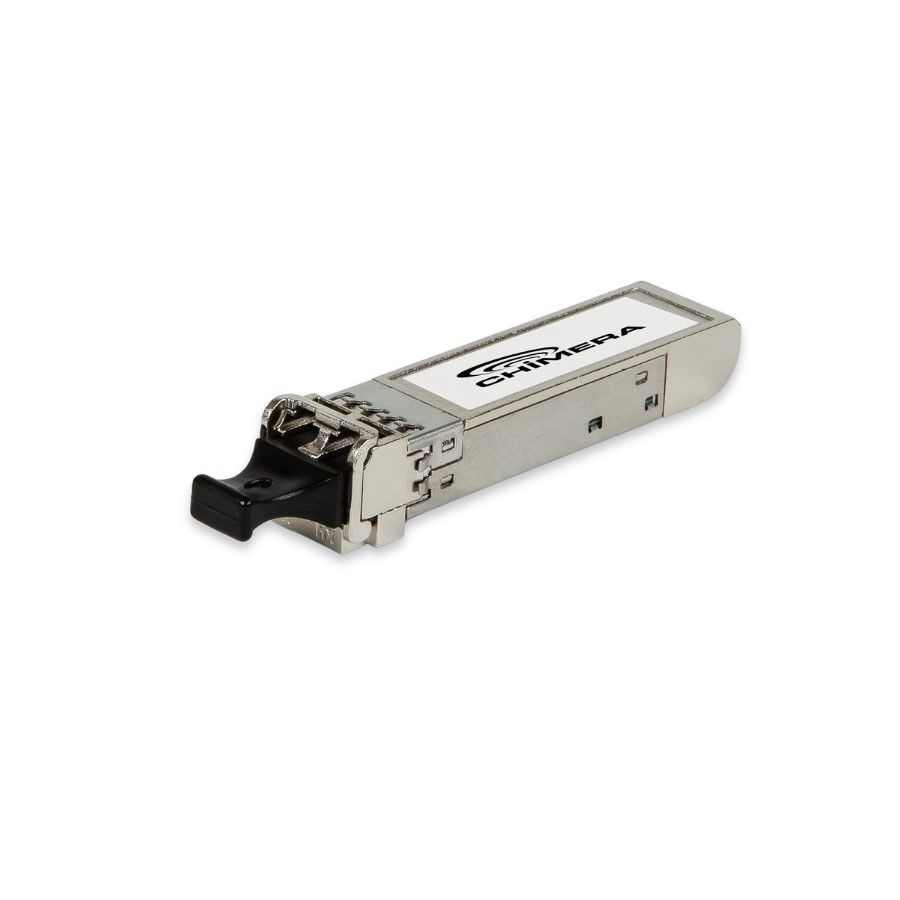
Core active equipment includes network switches for local traffic management, routers for WAN connectivity, wireless access points for WiFi coverage, media converters for bridging copper and fibre, and network security appliances such as firewalls. In optical networks, active gear also includes transceivers, optical amplifiers, and multiplexers.
Managed switches provide full control over network settings such as VLANs, Quality of Service (QoS), link aggregation, and remote monitoring, ideal for enterprise, campus, or data center environments.
Unmanaged switches are plug-and-play, require no configuration, and suit small offices or simple extensions where advanced control isn’t required.
Your choice depends on network size, security requirements, and the need for traffic segmentation or monitoring.
Key factors include:
- PoE standard: IEEE 802.3af (up to 15.4W), 802.3at PoE+ (up to 30W), or 802.3bt PoE++ (up to 60–90W per port).
- Total power budget: ensure the switch can power all connected devices simultaneously.
- Device compatibility: match PoE class to the needs of IP cameras, access points, or VoIP phones.
- Port mix: consider a blend of PoE and non-PoE ports for flexibility.
To ensure your active equipment supports future growth, select devices that offer:
- Higher port speeds, like 10G, 25G, or 100G uplinks for backbone connections.
- Modular expansion, like slot based or stackable designs for scaling.
- Advanced protocol support, like IPv6, Layer 3 routing, and support for emerging WiFi or optical standards.
- Firmware updates, like vendor supported updates to maintain security and add features.
- Redundancy features, like dual power supplies, hot swappable components, or switch stacking for uptime protection.