FTTx Fibre Cabling
FAQs
An FTTx drop cable (or PIA drop cable) is the fibre link that connects the network’s distribution point (e.g. FTTH cabinet, splice point) to the subscriber premises (home or building). It’s designed to be rugged, weather resistant, and able to handle deployment stresses (aerial, buried, duct, or wall mounted). It supports last-mile connectivity in FTTx networks.
It allows:
- Faster installation as on-site terminations are eliminated. You simply plug in preinstalled jumpers.
- Reduced errors as factory terminations are pretested, lowering the chance of misterminations.
- Consistent quality with uniform optical performance across all boxes.
- Scalable upgrades because it is easier to replace or expand modules in the box than to redo field terminations.
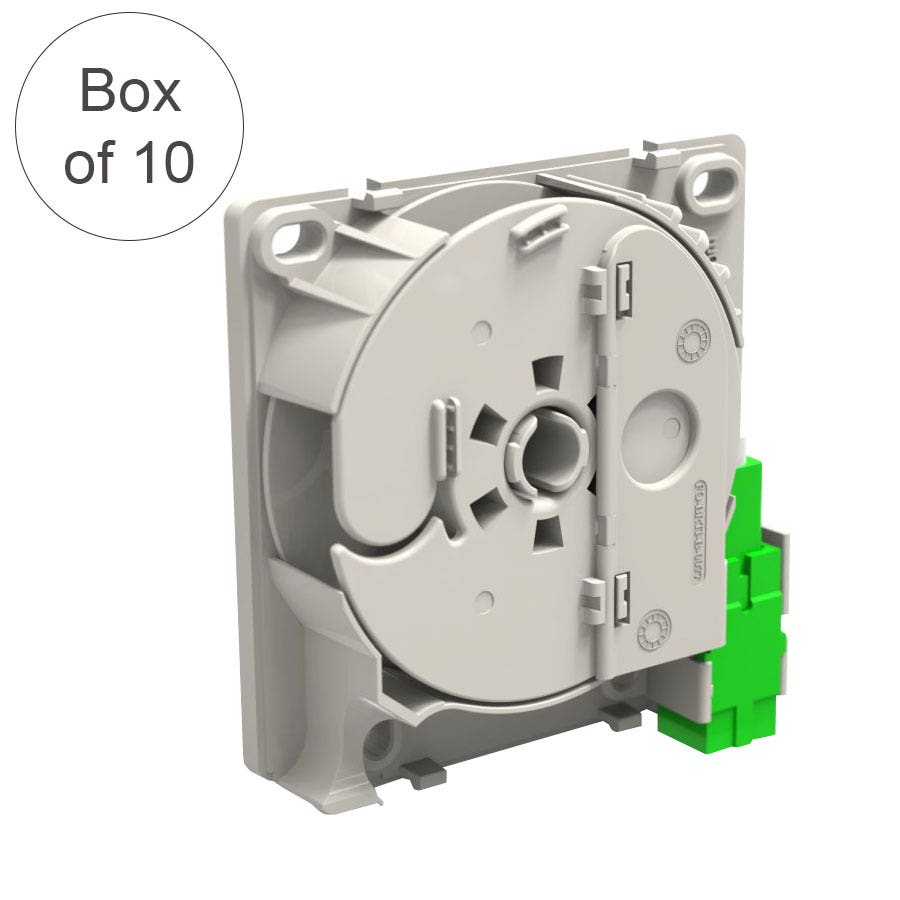
SDU (Single Dwelling Unit) fibre boxes are compact wall mounted enclosures designed for fibre termination inside homes or small offices.
MDU (Multi Dwelling Unit) fibre boxes are larger, higher capacity enclosures designed for apartment buildings or office blocks, supporting multiple subscriber connections in one secure box.
The most common connectors are:
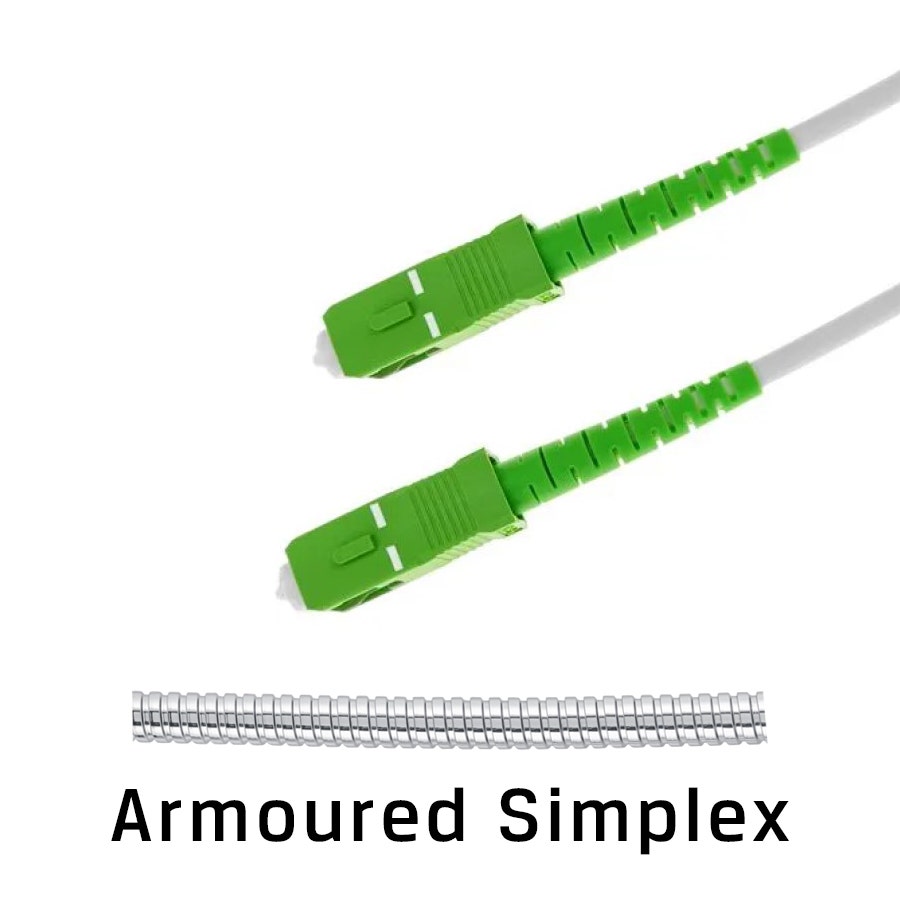
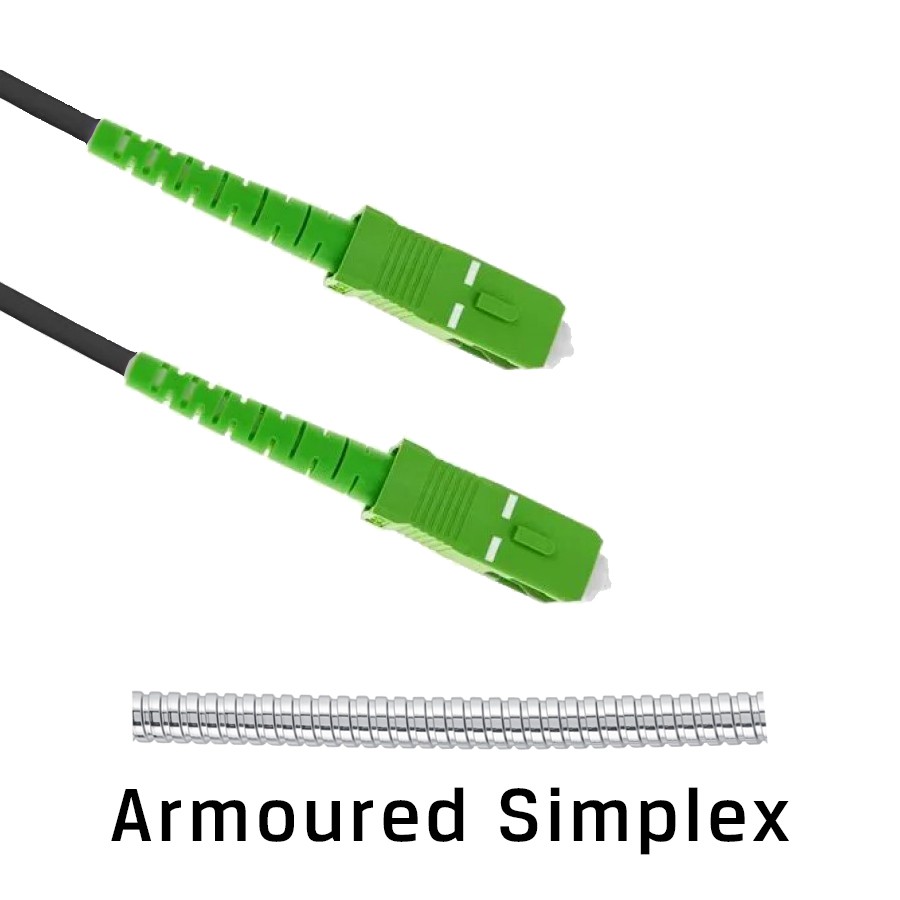
- SC/APC (green), which are angled, polished to minimise back reflection, widely used in FTTx, GPON, and high speed broadband.
- LC/UPC (blue) have a smaller footprint, common in data centers and high density applications.
Always match the connector type of your drop cable, patch lead, or box to your existing network equipment.