Fibre Connectors & Adaptors
FAQs
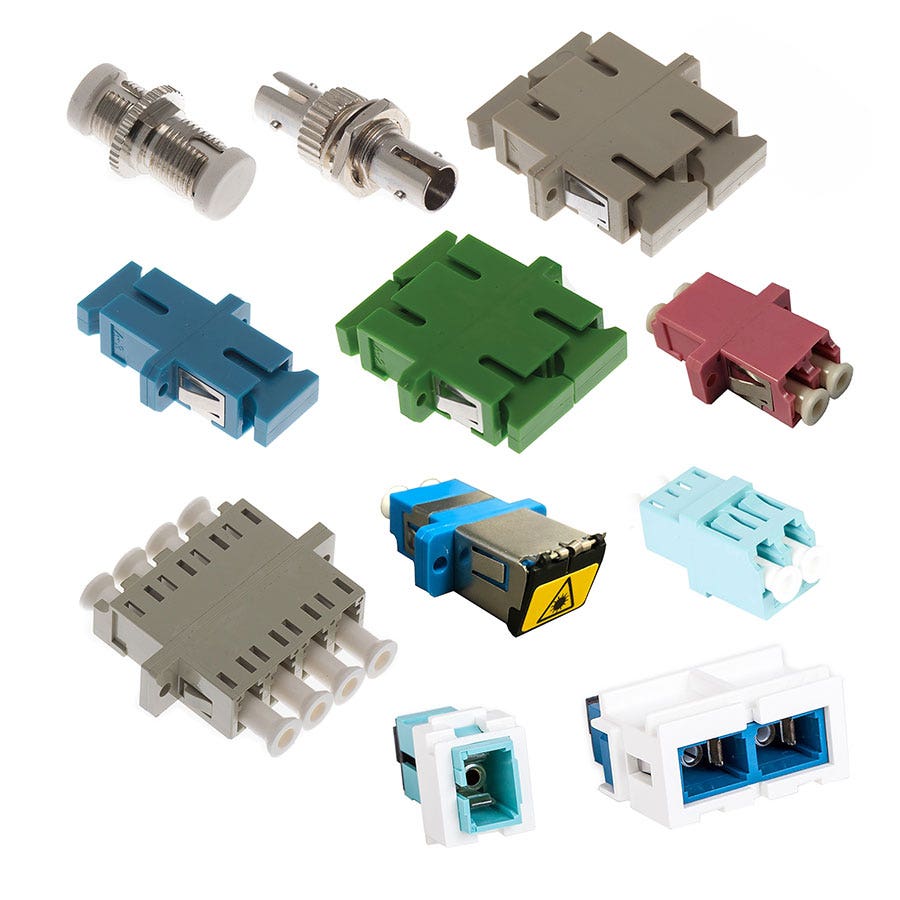
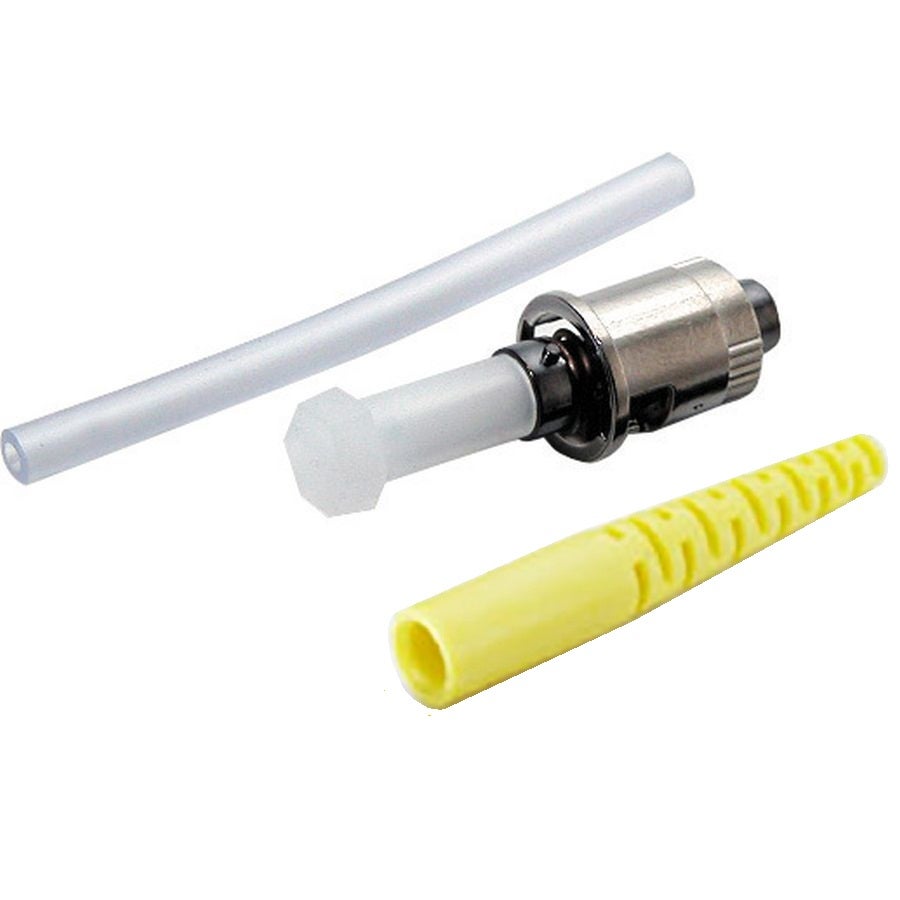
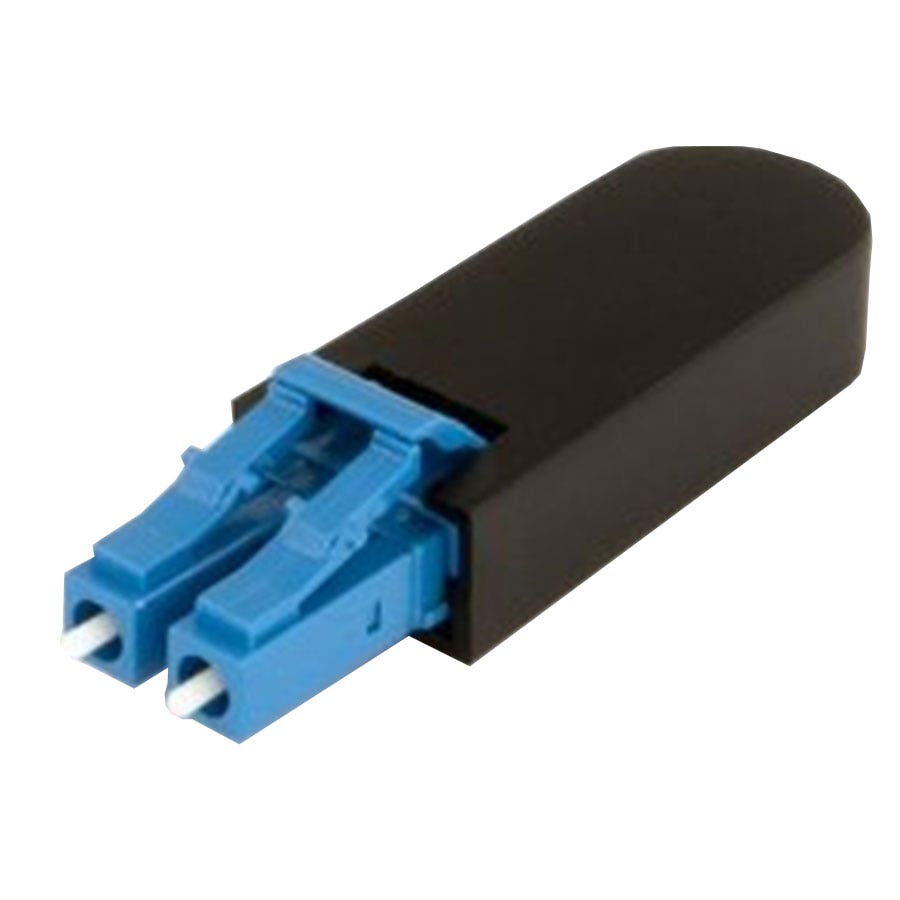
Fibre connectors terminate fibre optic cables, allowing quick connection and disconnection between devices and patch panels. Common types include LC, SC, FC and ST. Fibre adaptors and couplers join two connections of the same type to extend or link cables. Link back connectors plug into a port to create a test loop, allowing verification of port funcationality during installation or troubleshooting.
Match the connector or adaptor to your network setup:
- Connector type, like LC, SC, FC, or ST (must match the existing hardware).
- Polish type, like UPC (Ultra Physical Contact) or APC (Angled Physical Contact), APC reduces back reflection and is typically green.
- Fibre type, like singlemode (OS2) for long distance links and multimode (OM3/OM4/OM5) for short to medium high speed connections.
UPC (Ultra Physical Contract) connectors are flat, polised endfaces with low insertion loss, typically used in data centers and enterprise networks. Where as APC (Angled Physical Contact) connectors are angled endfaces that reduce back reflection, ideal for high precision applications such as FTTX, RF over fibre or high speed telecom networks.
Loopback connectors are mainly used for testing and troubleshooting. They allow technicians to send a signal from a network device and immediately receive it back, verifying port functionality and diagnosing potential issues. They are essential in data centers, labs, and network commissioning.