We use cookies to make your experience better. To comply with the new e-Privacy directive, we need to ask for your consent to set the cookies. Learn more.

Shop By Category
-
Fibre Patch Panel Accessories

-
Fibre Patch Panel Modules & Cassettes

-
Fibre Patch Panels - Fixed

-
Fibre Patch Panels - High Density Chassis

-
Fibre Patch Panels - Sliding

-
Fibre Patch Panels & Subracks - Pivoting

-
Huber+Suhner IANOS Fibre Chassis & Modules

-
Huber+Suhner LISA Fibre Cassettes

-
iPatch Fibre Patch Panels

-
Splicegroup Fibre Patch Panels

-
SYSTIMAX Fibre Patch Panels

Shop By Product


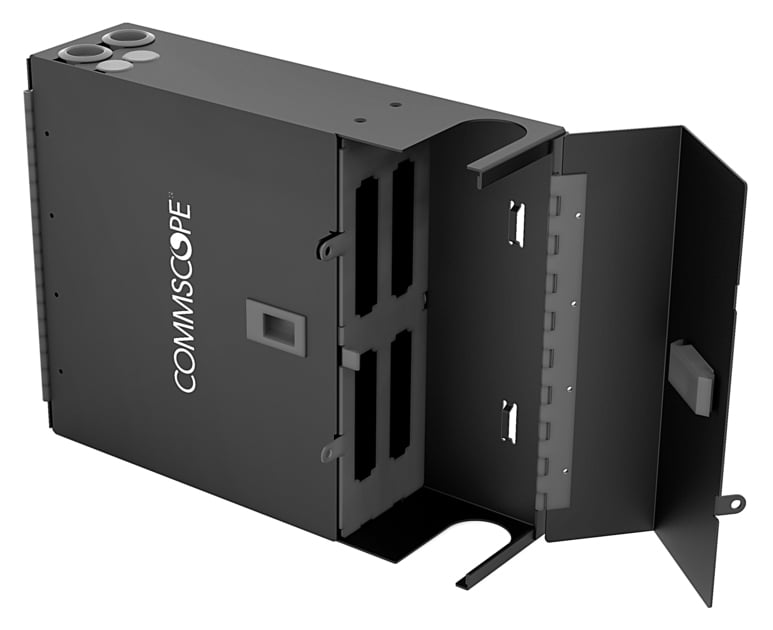


Fibre patch panels are crucial for organising and managing fibre optic networks, serving as a centralised hub for connecting and routing optical fibres. They simplify cable management, enabling efficient maintenance, quick reconfiguration, and scalability to meet growing network demands.
These panels come in various configurations that support both singlemode and multimode applications, with options for rack-mounted, wall-mounted, or modular designs. Equipped with adapter ports and splice trays, fibre patch panels ensure secure connections and protect delicate fibre optic cables, minimising the risk of signal loss or physical damage.
High-quality fibre patch panels are specifically designed for high-density environments, featuring easy-access designs and robust construction to withstand demanding installations. They are ideal for data centres, telecommunications networks, and enterprise IT infrastructures where reliability and performance are essential.