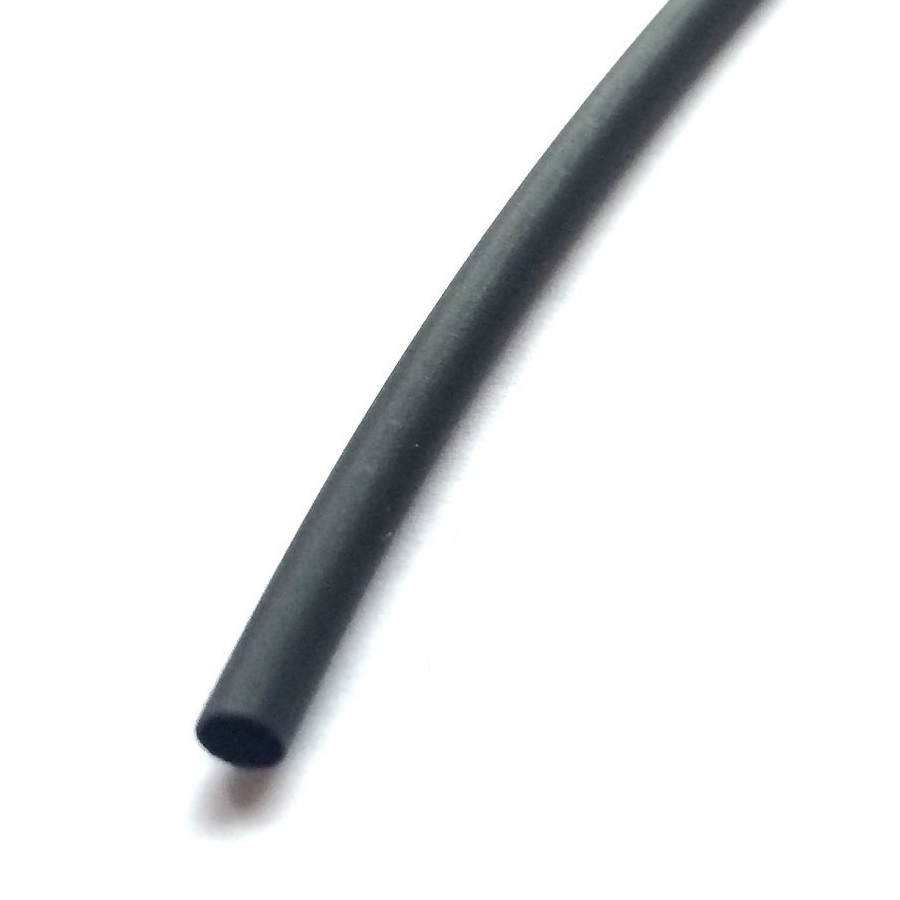
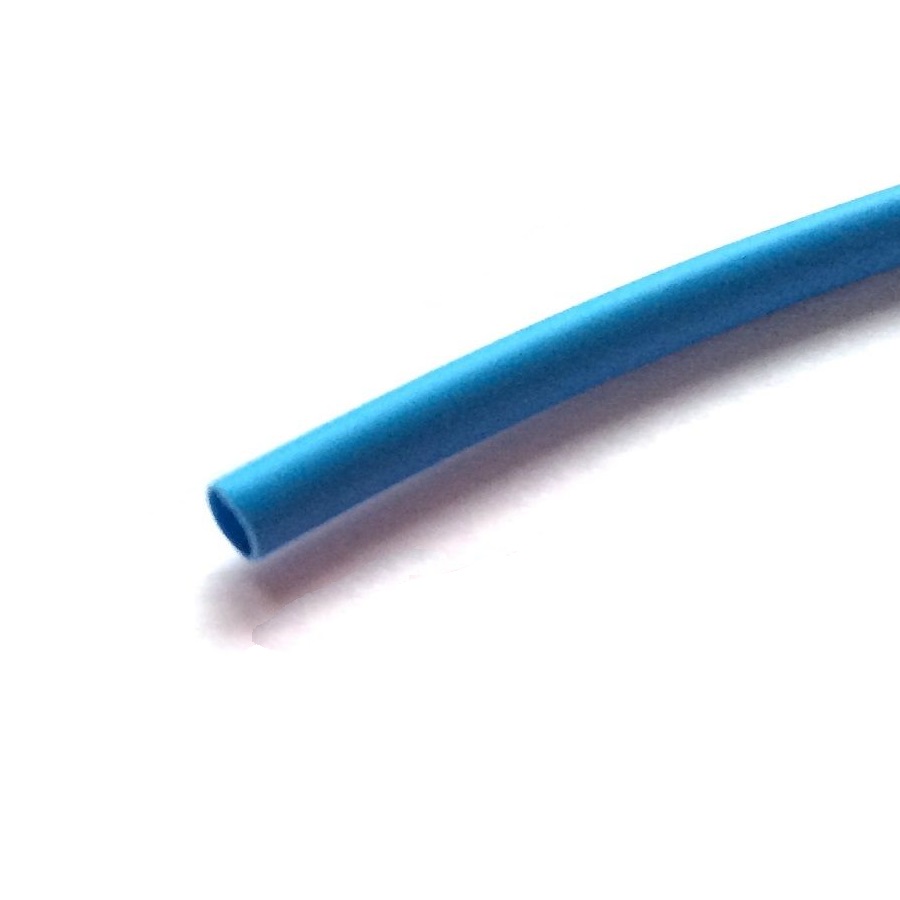
Heat Shrink Tubing
FAQs
Heat shrink tubing is a flexible polymer tube that shrinks when heated, forming a tight protective layer around cables, connectors, or joints. It is used to:
- Insulate exposed conductors
- Provide strain relief at cable terminations
- Protect joints from moisture and abrasion
- Colour code or identify wiring
- Seal splices and improve overall cable durability
Heat shrink is a simple but essential way to improve safety, reliability, and the lifespan of electrical installations.
The shrink ratio describes how much the tube reduces in diameter when heated.
- 2:1 heat shrink shrinks to half its original diameter, the most common type for general electrical use.
- 3:1 heat shrink shrinks down to one-third, ideal for covering irregular shapes or thicker connectors.
- 4:1 heat shrink is used in harsh environments or where very large shrinkage is needed.
To choose the right tubing:
- Select a size that comfortably slides over the cable, but shrinks tightly once heated.
- Consider the wall thickness after shrinking, thicker walls offer better protection.
- Choose the colour and material suited to the application (standard, adhesive-lined, high temperature, flame retardant, etc.).
Correct sizing ensures a neat, secure, long-lasting seal.
Heat shrink is used across power distribution, UPS wiring, telecoms, automotive, and electrical maintenance tasks. Common applications include:
- Insulating spliced wires and cable joints
- Protecting terminals, lugs, and crimps
- Bundling and organising cable harnesses
- Repairing minor outer sheath damage
- Providing environmental sealing (adhesive-lined types)
- Marking circuits using coloured tubing
Its versatility makes it a standard tool in any electrician’s or engineer’s kit.
To achieve a safe and professional finish:
- Measure and cut tubing slightly longer than the area you want to cover.
- Slide the tubing over the cable or connector before making your final connection.
- Use a heat gun or controlled heat source, avoid naked flames which can damage the tubing.
- Apply heat evenly around the tube to prevent bubbling or uneven shrinking.
- For adhesive lined heat shrink, ensure the adhesive flows and seals fully.
- Allow the tubing to cool before handling to maintain a firm, secure fit.
Good technique ensures long term reliability and insulation performance.