Pliers & Cutters
FAQs
Pliers and cutters are versatile tools used for gripping, bending, stripping, and cutting various types of cables, wires, and conduits during installation. Common types include:
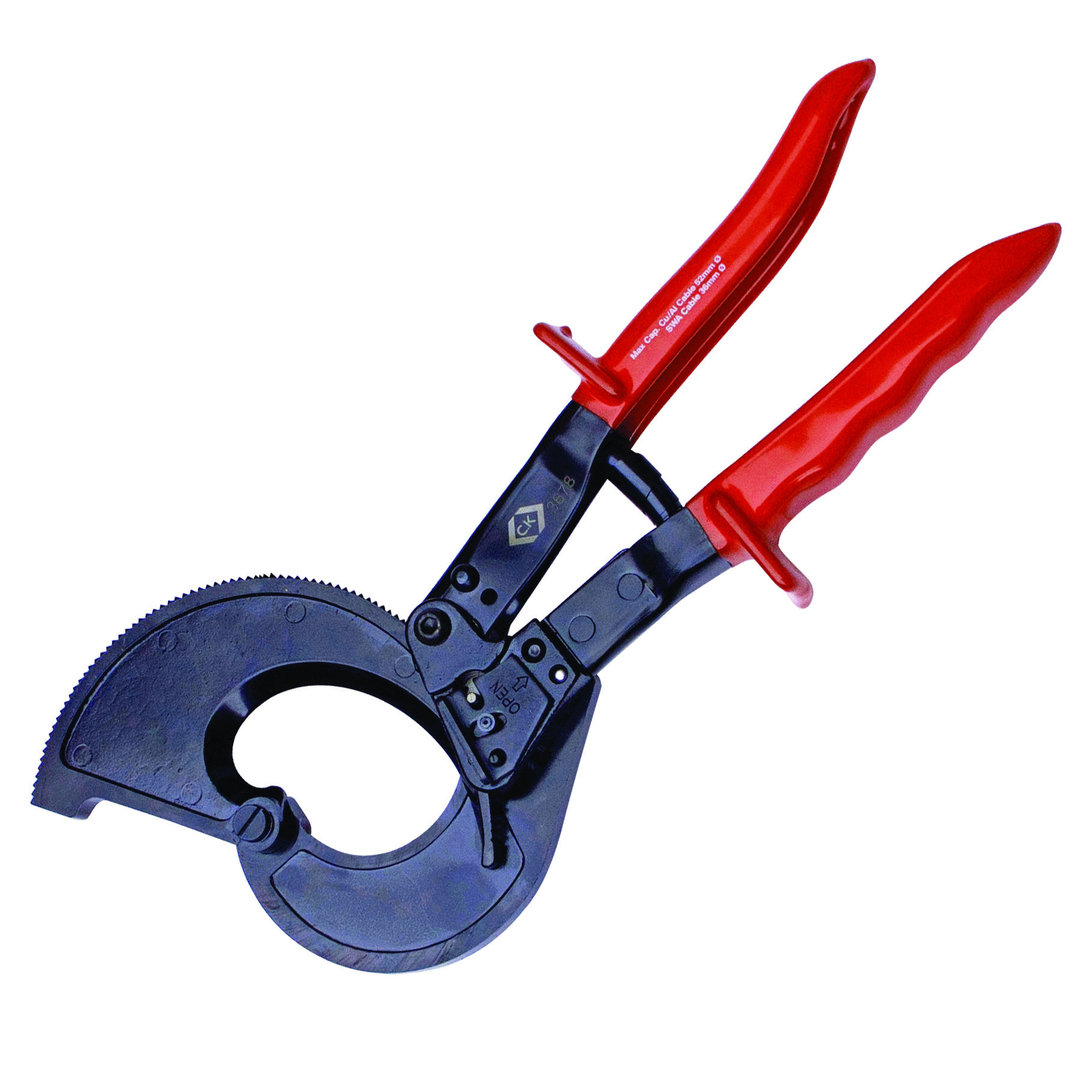
- Cable and wire rope cutters for cutting power cables, steel wire, or stranded rope cleanly without fraying.
- Combination and cutting pliers are multi purpose tools for gripping and cutting copper or aluminium conductors.
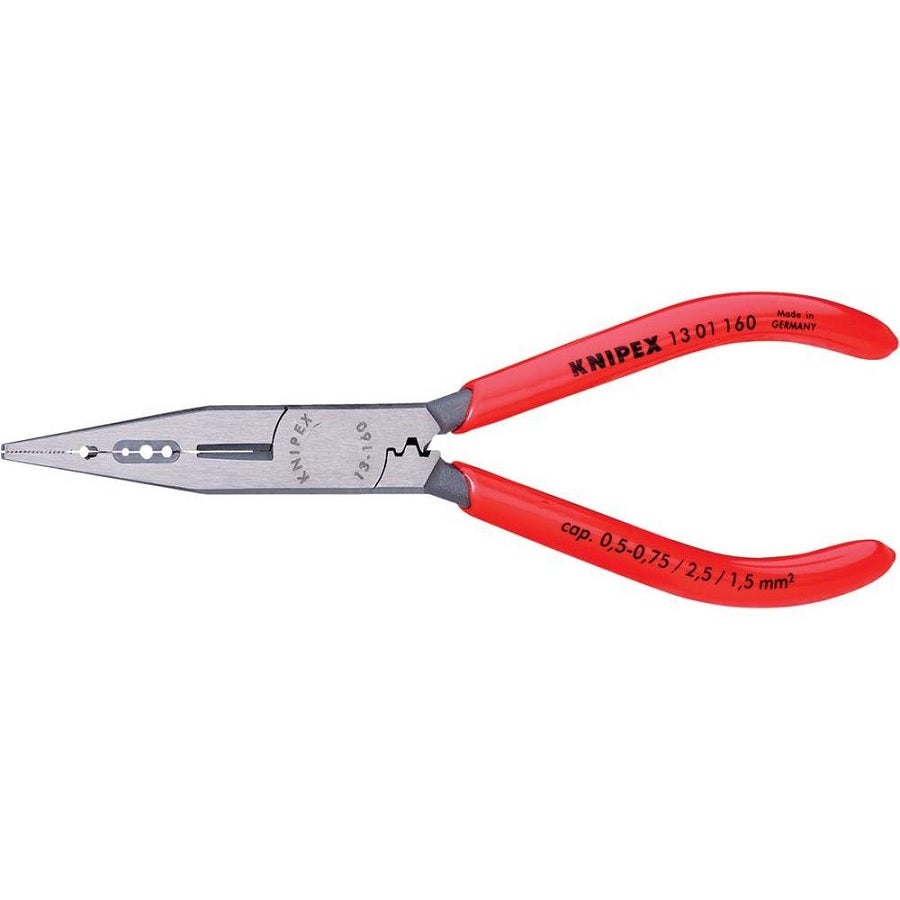
- Electricians’ and long nose pliers are ideal for reaching confined spaces and bending or twisting fine wires.
- Self grip (locking) pliers are used for holding or clamping components during assembly or soldering.
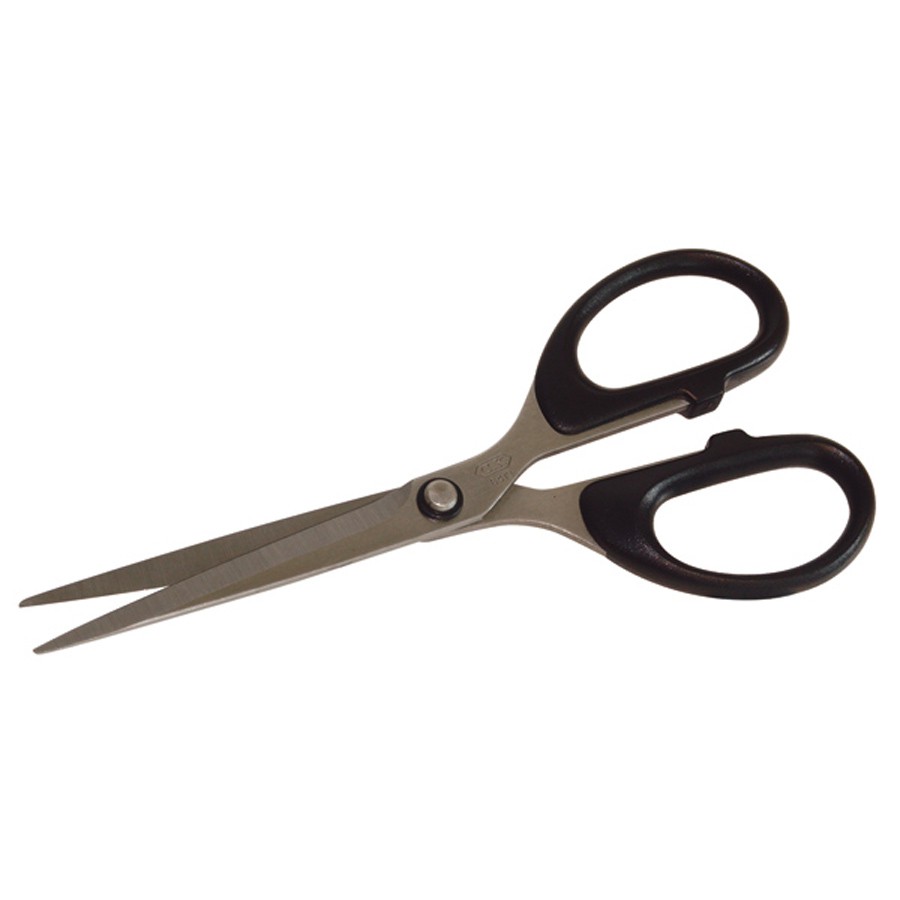
- Tinsnips and trunking cutters are designed for cutting sheet metal, plastic trunking, or conduit neatly.
- Pipe and duct cutters provide precise, burr-free cuts on PVC or metal pipes.
Each tool is designed for durability, precision, and safety, making them indispensable in professional cabling and construction applications.
When selecting a tool, consider:
- Cable type and size, ensure the cutting edge or jaw capacity matches the conductor or material diameter.
- Material strength, opt for hardened or induction tempered steel blades for long lasting sharpness.
- Ergonomics, choose tools with non slip, insulated, or cushioned grips for comfort and safety during repetitive tasks.
- Cutting style, select flush cutters for electronics, ratcheting cutters for large power cables, and tinsnips for sheet materials.
- Application, some tools, such as self grip pliers or rod sweep pliers, are better suited for specialist or heavy duty applications.
The right choice improves precision, reduces effort, and enhances installer safety on-site.
Benefits include:
- Precision cutting and gripping, delivers clean, accurate results with minimal damage to conductors.
- Durability, manufactured from forged, heat-treated steel for extended lifespan.
- Safety, insulated handles (VDE-rated options) protect against electrical shocks.
- Efficiency, smooth pivot action and ergonomic handles reduce strain during prolonged use.
- Versatility, one tool can perform multiple functions, ideal for field technicians and installers.
Professional tools ensure consistent performance and long term reliability, even in demanding site conditions.
You should:
- Clean regularly to remove debris or adhesive residue from blades and jaws.
- Lubricate pivot joints periodically to maintain smooth operation.
- Store properly in a dry tool bag or case to prevent corrosion.
- Avoid misuse, never use pliers as a hammer or cutters on hardened steel unless rated for it.
- Inspect for wear, replace tools with worn cutting edges or damaged insulation to ensure safety.
Proper maintenance extends tool life and ensures optimal performance and user safety.