Fibre Splicing
FAQs
Fibre splicing is the process of joining two optical fibres together to create a continuous optical path. It is essential in telecom, data center, and FTTx deployments to extend cable runs, repair broken fibres, or connect fibres to distribution equipment. High quality splicing ensures low signal loss, minimal reflection, and long term network reliability.
Mechanical splicing aligns fibres inside a small sleeve with index matching gel, it is quick and inexpensive but with slightly higher insertion loss. Fusion splicing uses an electric arc to permanently fuse fibres together, producing the lowest loss and reflection, making it the preferred method for professional and large scale installations.
Tools needed are:
- Fusion splicer, aligns and fuses fibres with high precision.
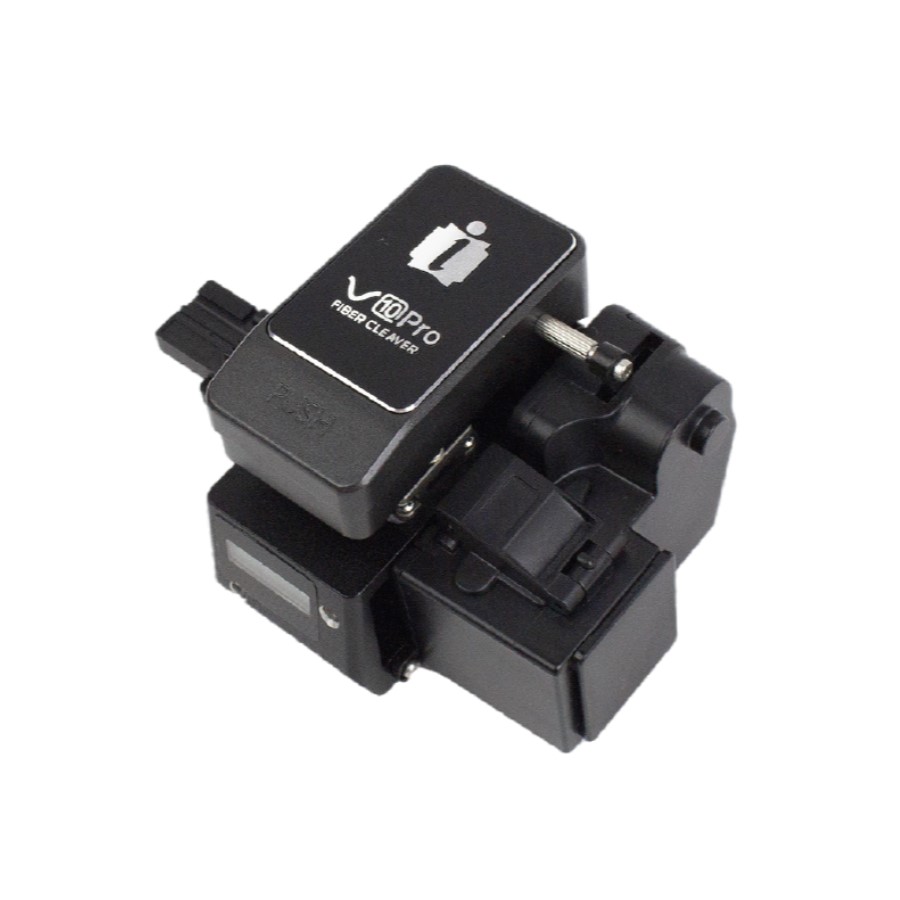
- Cleaver, cuts fibres at the correct angle to ensure clean splices.
- Strippers and preparation tools remove fibre coatings and jackets.
- Splice trays and protectors secure and protect completed splices.
- Accessories include spare electrodes, batteries, and calibration kits to keep splicing equipment reliable.
Consider:
- For fusion splicers, choose based on fibre type (singlemode/multimode), alignment technology (core vs. cladding), portability, and workload (field use vs. lab use).
- For cleavers, look for high precision models with replaceable blades and angle adjustment to ensure consistent, clean cuts.
- Budget vs performance! Entry level kits suit occasional splicing, while advanced units are ideal for high volume or critical network installations.