Roadside Safety
FAQs
Roadside safety equipment is legally required whenever installation work takes place near live traffic, pedestrians, or public areas. It protects engineers and the public during work such as duct access, cabinet installation, cable pulling, or jointing. It ensures compliance with:
- Chapter 8 Highway Regulations (UK)
- New Roads and Street Works Act (NRSWA)
- Local authority permit schemes
Using approved safety equipment is essential to avoid fines, site shutdowns, and accidents.
A safe roadside setup should include minimum mandatory traffic and pedestrian protection, such as:
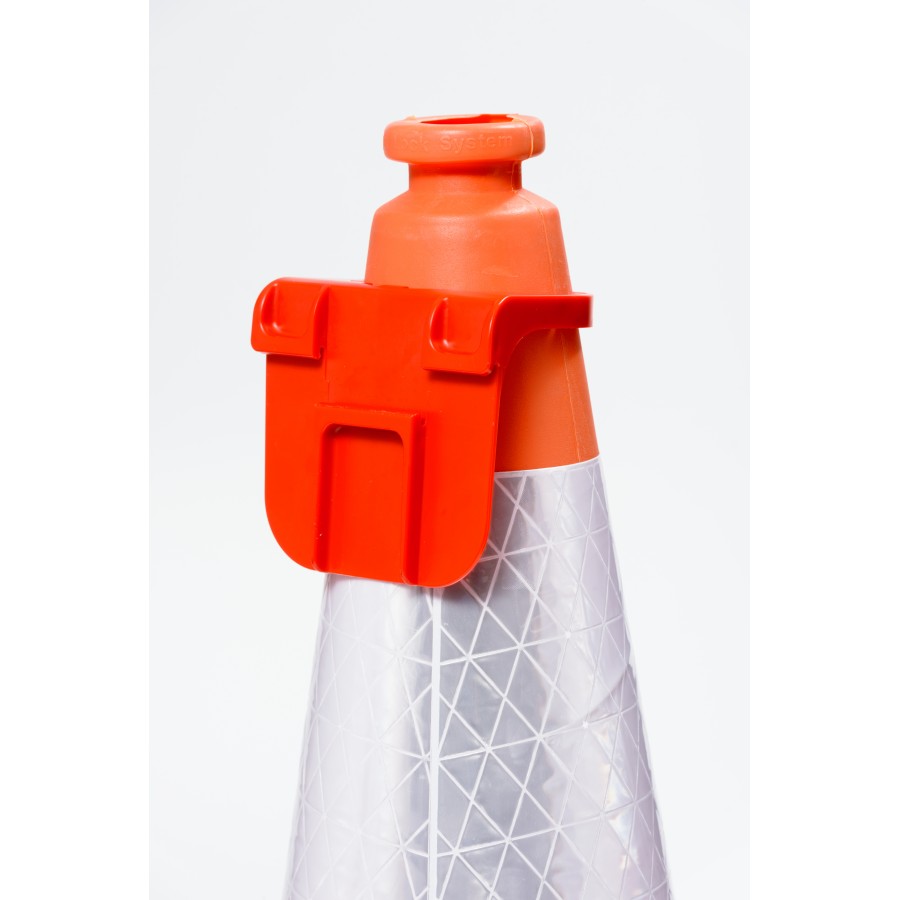
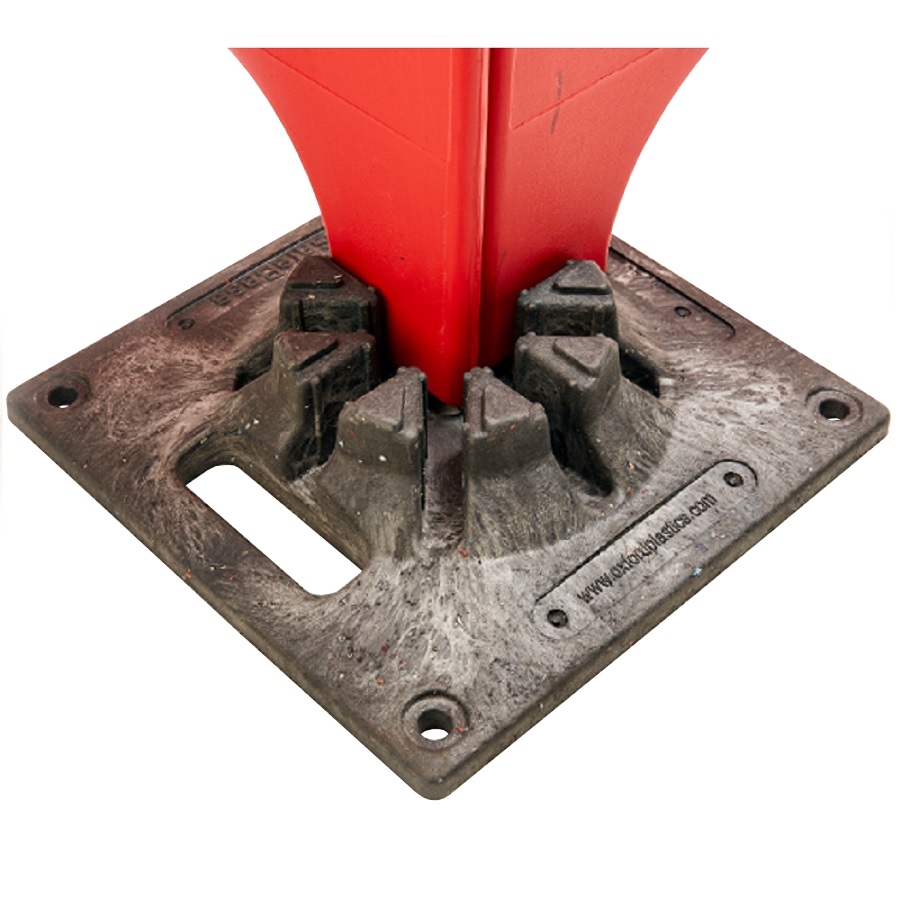
- Temporary road signs & cones warn drivers of works ahead
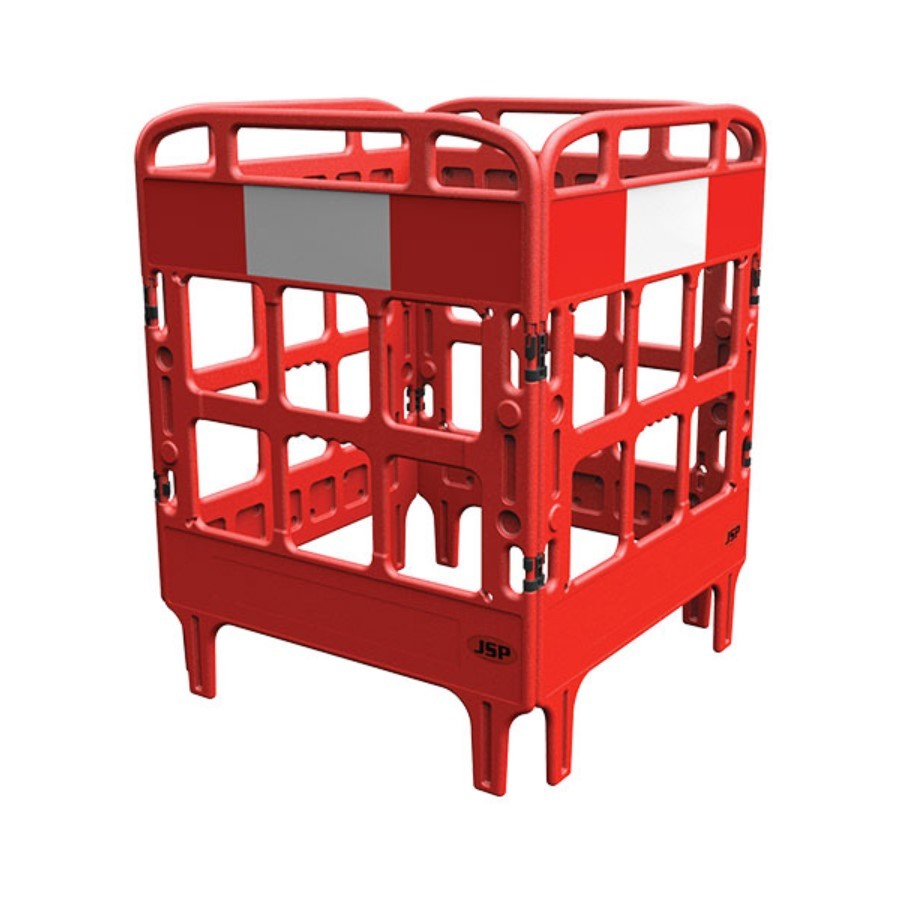
- Pedestrian barriers keep public away from open chambers or trenches
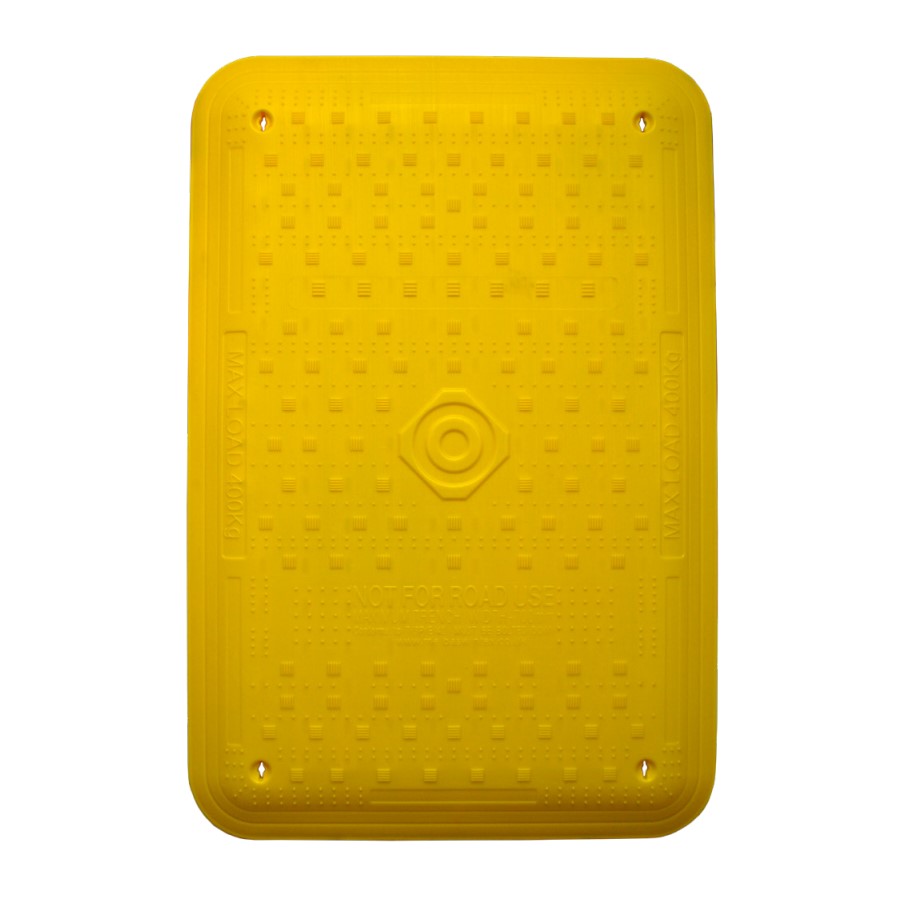
-Trench covers & road plates maintain safe access over excavations
- External cable protection prevents trip hazards from temporary surface cabling
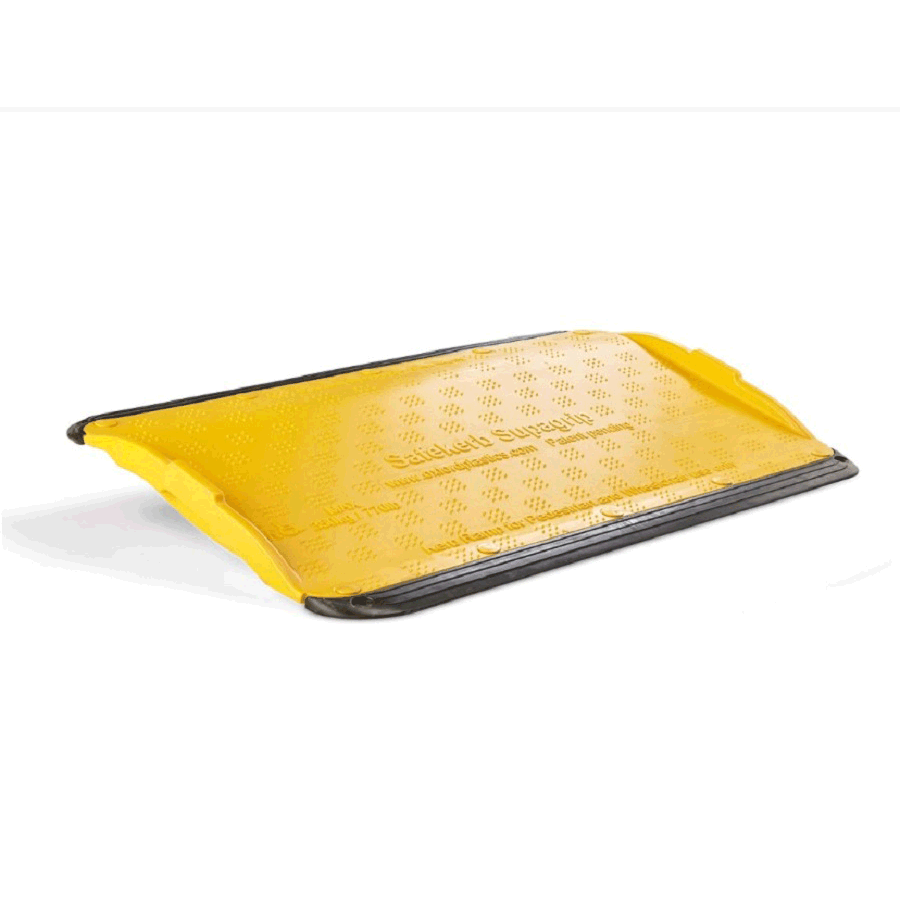
- Access ramps provide safe wheelchair/pushchair access over cabling
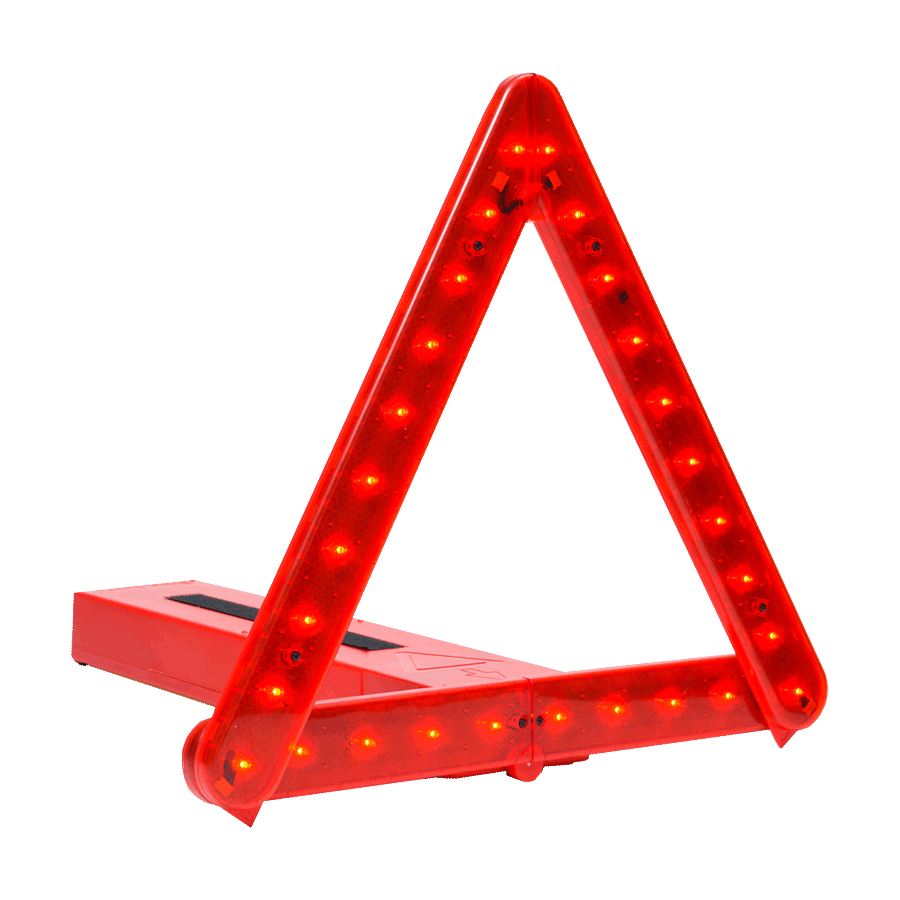
- Active warning triangles used for vehicle breakdown or roadside works
- Safety signage displays site warnings & work zone instructions
These products help create a controlled traffic and pedestrian safe work zone.
For professional installation contracts, equipment should meet:
- Chapter 8 compliant barriers and signage is required for works on public highways
- BS EN 1317 impact rated road barriers
- Slip-resistant trench covers, BS 7976 standard
- High visibility requirements, reflective Class R2 or better
Using compliant equipment ensures legal site operation and safety certification for audits.
These are required to maintain public access and prevent accidents:
- Trench covers for shallow excavations in walkways or pavements
- Road plates for covering deeper excavations on vehicle routes
- Access ramps provide safe wheelchair or pedestrian access over cable routes
They prevent trip hazards, site claims, and service delays during fibre and civil installation work.