Splicing Termination & Fixings
FAQs
A typical splicing and termination setup includes:
- Fibre optic adhesives and consumables used in connectorisation to secure fibres.
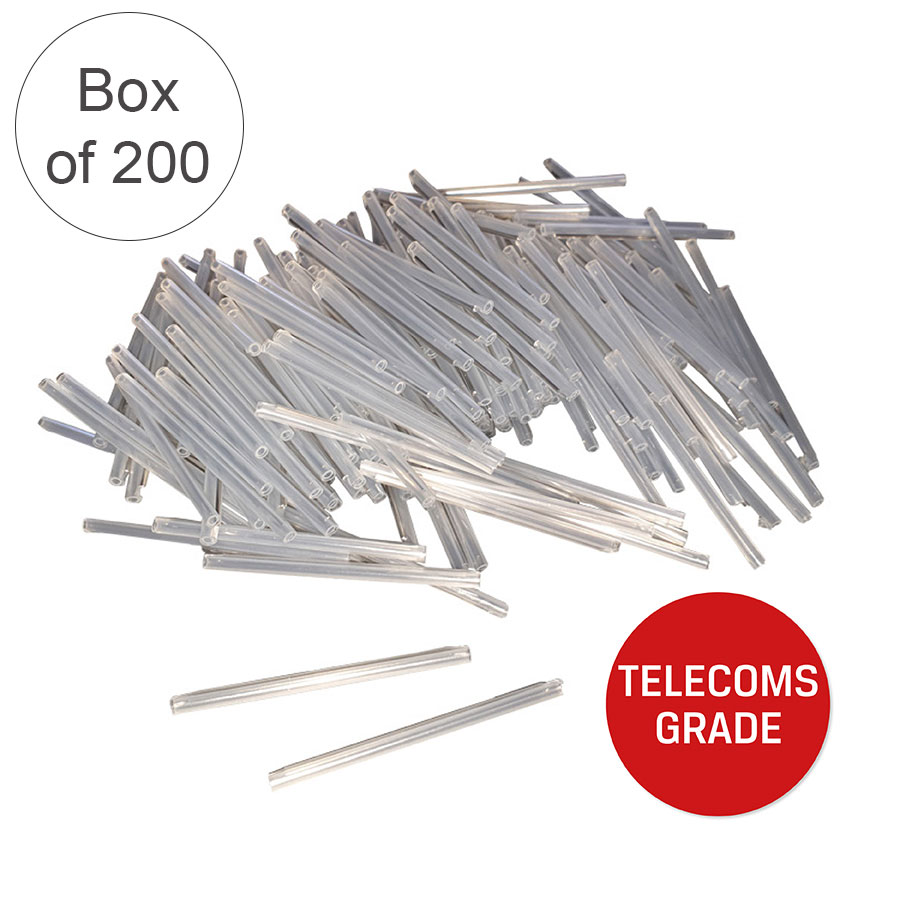
- Splice protectors to shield spliced fibres from stress, moisture, and breakage.
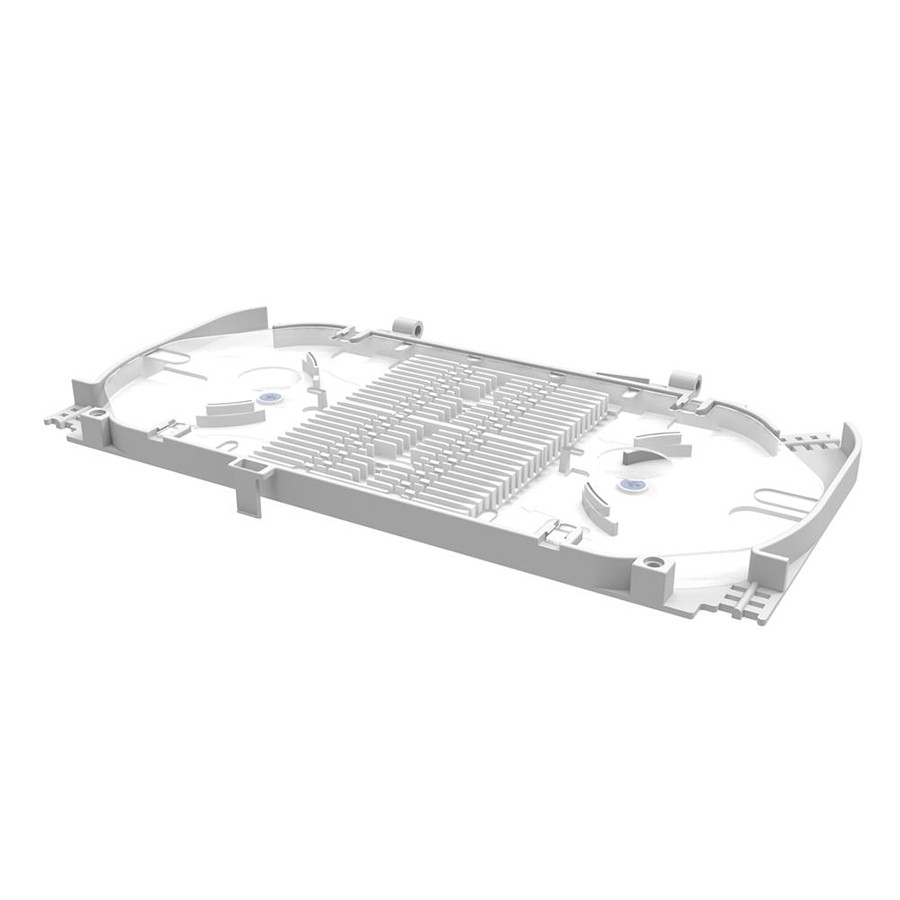
- Splice trays organise and protect multiple splices inside enclosures.
- Tubing and management kits ensure fibres are routed neatly and safely, maintaining bend radius control.
Splice protectors are small sleeves placed over spliced fibres. They contain a strengthening rod and heat-shrink tubing that, once heated, reinforce and seal the splice point. This provides:
- Mechanical strength to prevent fibre breakage at the splice joint.
- Environmental protection, to guard against dust, moisture, and handling damage.
- Longevity, ensures reliable optical performance over time.
Splice trays provide a safe, structured location to hold and protect spliced fibres. They prevent excessive bending and stress on splices.
Management kits include tubing, holders, and organisers that guide fibres, ensuring a professional layout that complies with bend radius requirements and simplifies troubleshooting.
When selecting consumables, consider:
- Fibre type, like singlemode vs multimode; certain adhesives and protectors are optimised for specific applications.
- Environment, like outdoor installations may require water blocking or ruggedised splice protection.
- Capacity, choose trays sized for the number of fibres you expect to splice.
- Compatibility, ensure accessories fit your splice enclosures, patch panels, or distribution boxes.