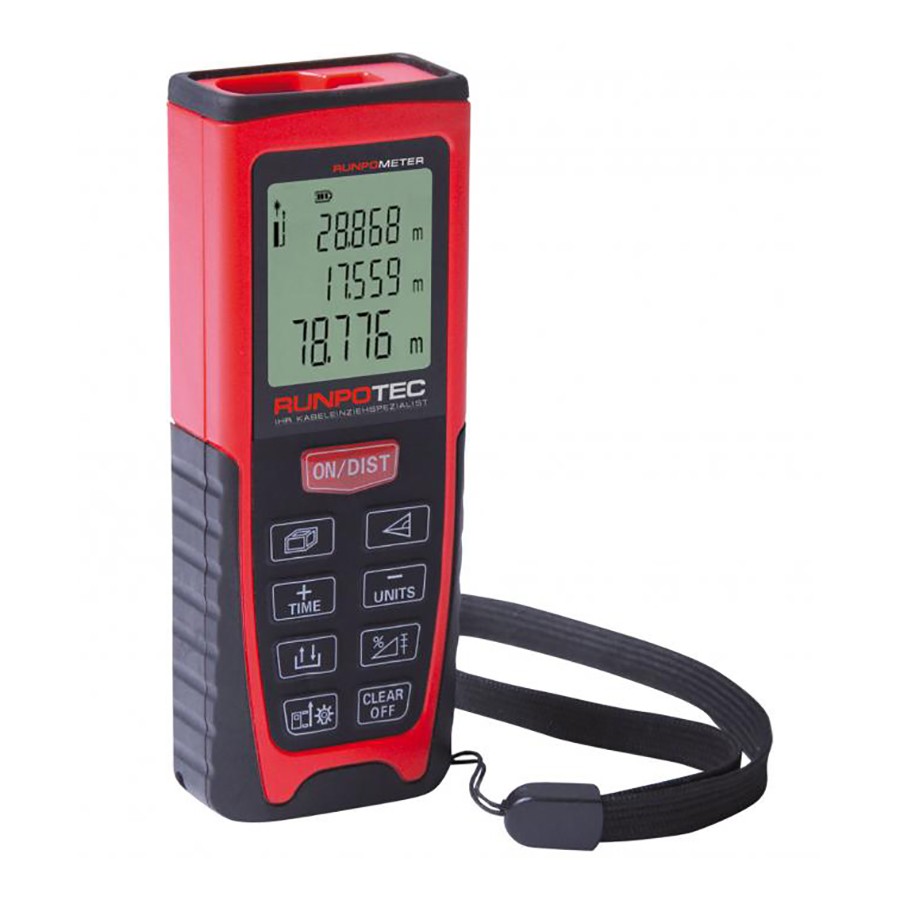
Distance Measuring
FAQs
Distance measuring equipment is used to quickly and accurately measure height, span length, and distance in telecom, utilities, construction, and field engineering. Common types include:
- Cable Height Meters: Used to measure the height of overhead telecom or power cables without needing ladders or pole climbing.
- Laser Distance Meters: Provide fast, point-to-point distance measurements for planning duct routes, chamber spacing, cabinet locations, or equipment placement.
- Ultrasonic or Optical Measuring Tools: For non-contact measurements in environments where access is restricted.
These tools improve accuracy, reduce risk, and speed up field surveys and installation work.
Key features depend on the application:
- For cable height meters:
Multiple cable measurement capability
High accuracy for telecom and utility lines
Non-contact measurement (safe for live overhead cables)
Ability to measure the sag or clearance of overhead spans
Lightweight handheld construction
- For distance meters:
Laser accuracy with long range capability
Backlit screen for outdoor visibility
Area and volume calculation modes
Tilt or angle sensors
Robust, weather resistant casing
Choosing the right feature set ensures accurate measurements for surveying, planning, and installation tasks.
Consider the following:
- Working Environment
Use a cable height meter if measuring overhead spans, telecom distribution lines, or pole-to-pole clearances.
Use a laser distance meter for indoor and outdoor point-to-point distances, chamber spacing, cabinet placement, or site layout.
- Required Range
Match the tool’s measurement range to your typical working distances (e.g., 40-100 metres for outdoor telecom work).
- Precision Level
Higher precision is important for planning access routes, ducting runs, or infrastructure positioning.
- Durability Needs
Field engineers should choose rugged, weather resistant units suitable for outdoor use.
Selecting based on the nature of your installation environment ensures reliable results and long term value.
To achieve accurate and safe measurements:
- Ensure the device is calibrated and check battery levels before use.
- Hold the tool steady and measure from stable ground.
- For cable height meters, stand at the recommended distance and align sensors correctly with the overhead span.
- Avoid using laser devices in direct sunlight without shielding, as glare can reduce reading accuracy.
- Take multiple readings if working on uneven terrain or long spans.
- Store tools properly and keep lenses/sensors clean for consistent performance.
These practices improve accuracy and reduce the chance of miscalculations during field assessments.