Fibre Cabling Test Equipment
FAQs
Fibre networks require a range of specialised tools to verify performance, continuity, optical loss, connector quality, and fault location. Key equipment includes:
- Optical loss test kits (OLTS) measure insertion loss and optical power on fibre links.
- OTDRs (optical time domain reflectometers) locate faults, bends, splices, connectors, and breaks along the fibre route.
- Power meters & light sources manually measure loss, light levels, and link performance.
- Visual fault finders (VFLs) identify breaks, bends, or bad connectors using visible red light.
- End-face inspection scopes check fibre connectors for dirt, scratches, and contamination.
- Bare fibre testers test stripped fibre before termination or splicing.
- MPO testers validate polarity, continuity, and loss on multi fibre MPO/MTP assemblies.
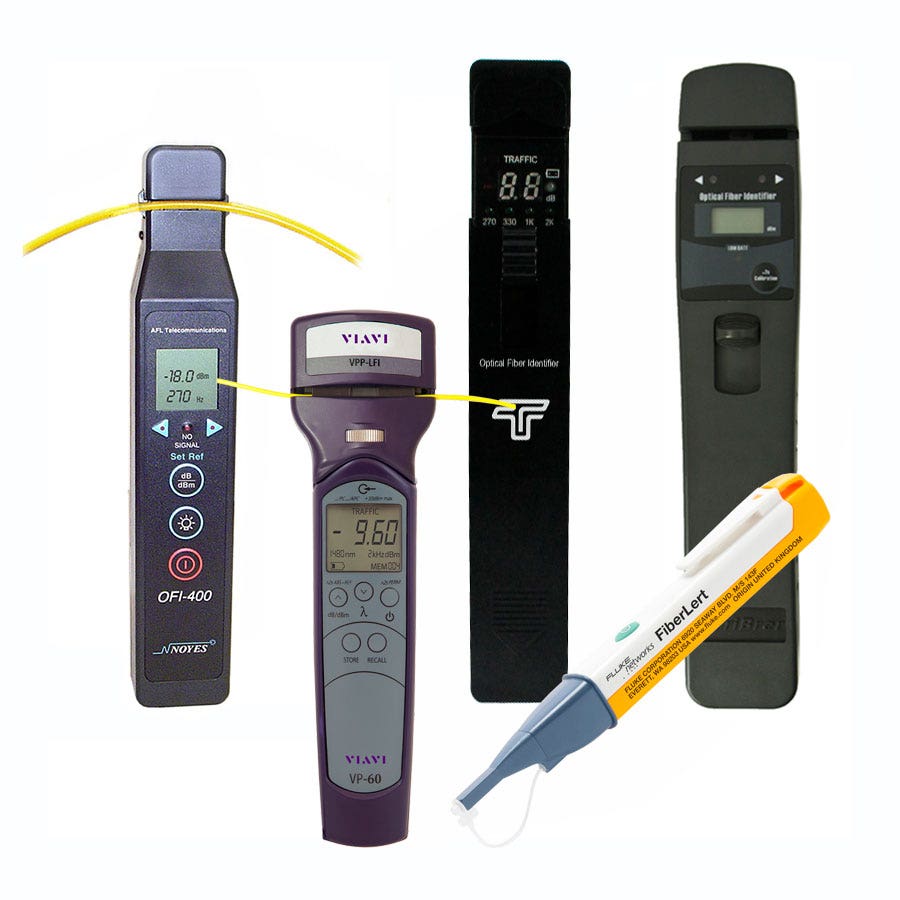
- Live fibre identifiers detect live traffic without disconnecting the fibre.
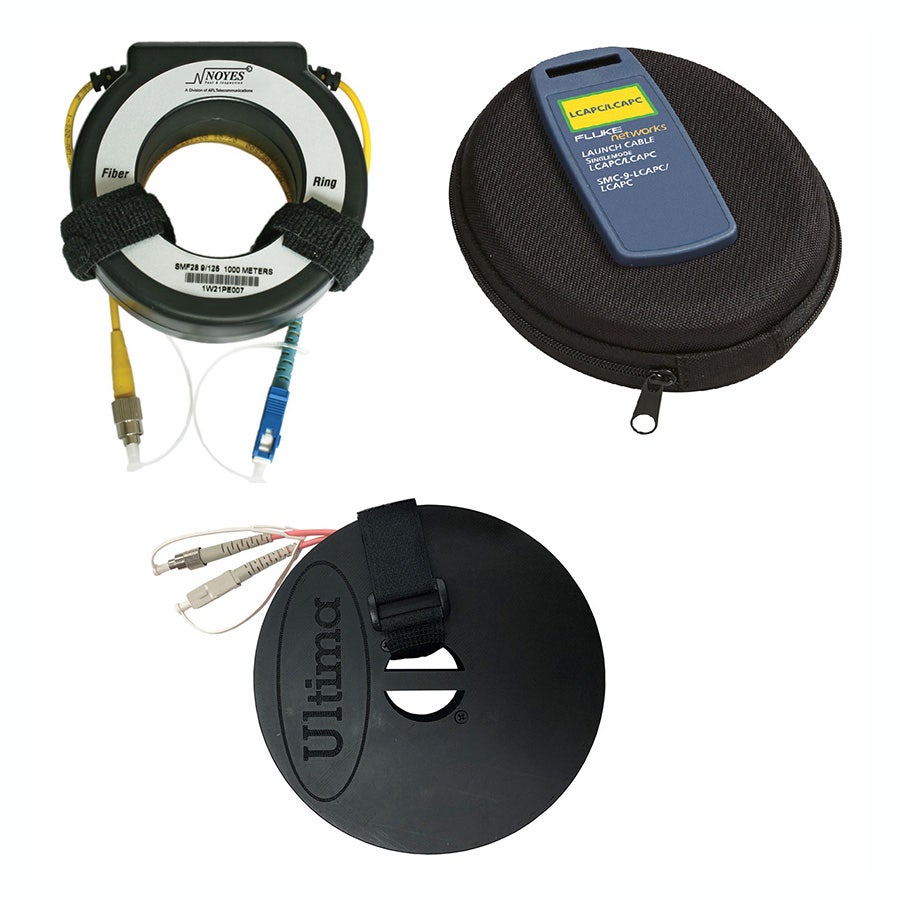
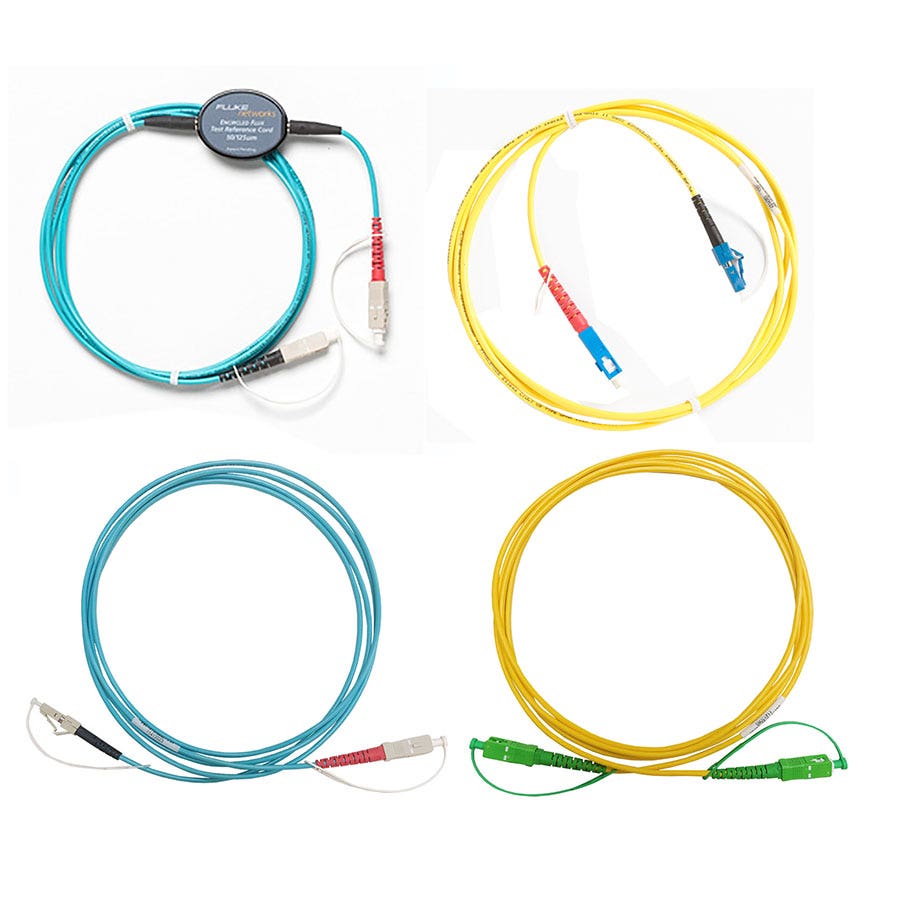
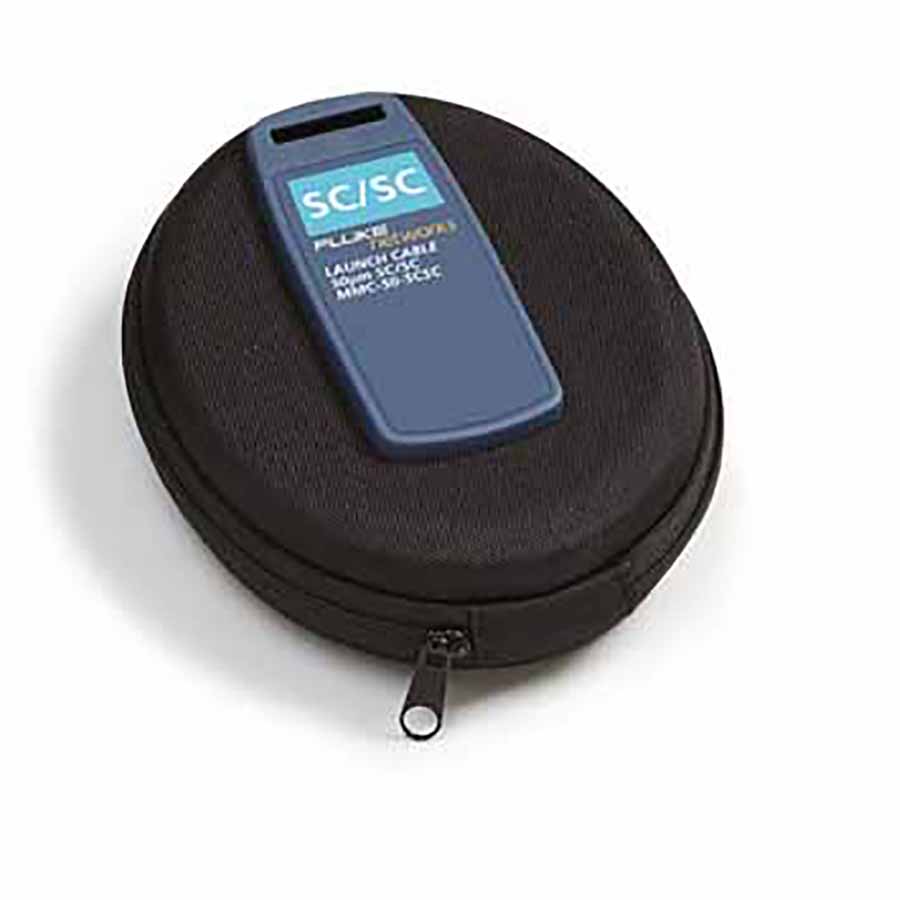
- Launch leads & test reference cords ensure accurate OTDR and OLTS measurements.
These tools are essential for FTTx, data center, long haul, and telecom fibre installations.
Different tools have different critical features:
- OTDRs
Dynamic range and wavelength support (typically 1310/1550 nm)
High resolution for short link testing
Event analysis for splices, connectors, and faults
Touchscreen or guided workflows
- OLTS & Power Meters
Multi wavelength testing
Auto pass/fail against industry standards
Memory for storing test reports
High stability light source
- Inspection & VFL Tools
IEC-compliant pass/fail analysis
Interchangeable adaptors (LC/SC/ST/MPO)
Ruggedised laser output for VFL range
- MPO Testers
Polarity mapping
Multi fibre continuity checks
Fast loss measurement for data center trunks
Choosing the right tool depends on the depth of testing required and the type of fibre being installed.
Select equipment based on your application:
- For FTTx or PON networks:
Use OTDRs, OLTS kits, and VFLs to validate fibre paths and detect splice issues.
- For data centers and MPO/MTP systems:
Choose MPO testers, end-face inspection scopes, and multi-wavelength OLTS tools.
- For enterprise fibre runs:
A power meter/light source plus OTDR will cover most troubleshooting and certification needs.
- For everyday fault finding:
VFLs, live fibre identifiers, and inspection tools provide quick diagnostics.
- For high accuracy certification:
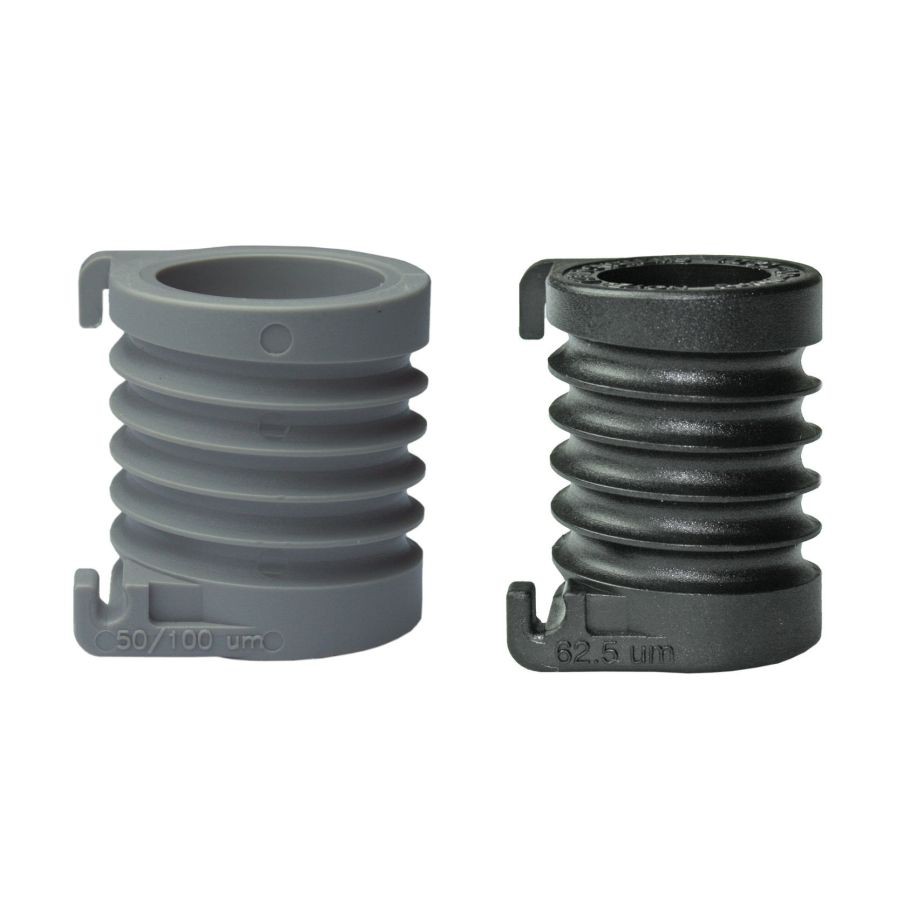
Use Tier 1 (OLTS) and Tier 2 (OTDR) testing equipment with proper reference cords and mandrels.
Choosing the correct combination ensures you meet performance requirements and reduce time spent on rework.
To ensure accurate and compliant test results:
- Always clean connectors before testing, contamination is the #1 cause of optical loss.
- Use the correct launch and receive leads for OTDR measurements.
- For certification, follow one-cord, two-cord, or three-cord reference methods as required.
- Verify equipment calibration before use.
- Avoid testing live fibres with OTDRs unless the device specifically supports it.
- Use mandrels when testing multimode to ensure mode compliance.
- Document and store results for warranty or handover reports.
- Protect fibres from bends, stress, and environmental conditions during testing.
Proper testing ensures network reliability, accurate certification, and reduced fault finding time.