Power Tools
FAQs
Power tools play a crucial role in cutting, drilling, fastening, and preparing surfaces during electrical, telecom, and civil installation projects. Common examples include:
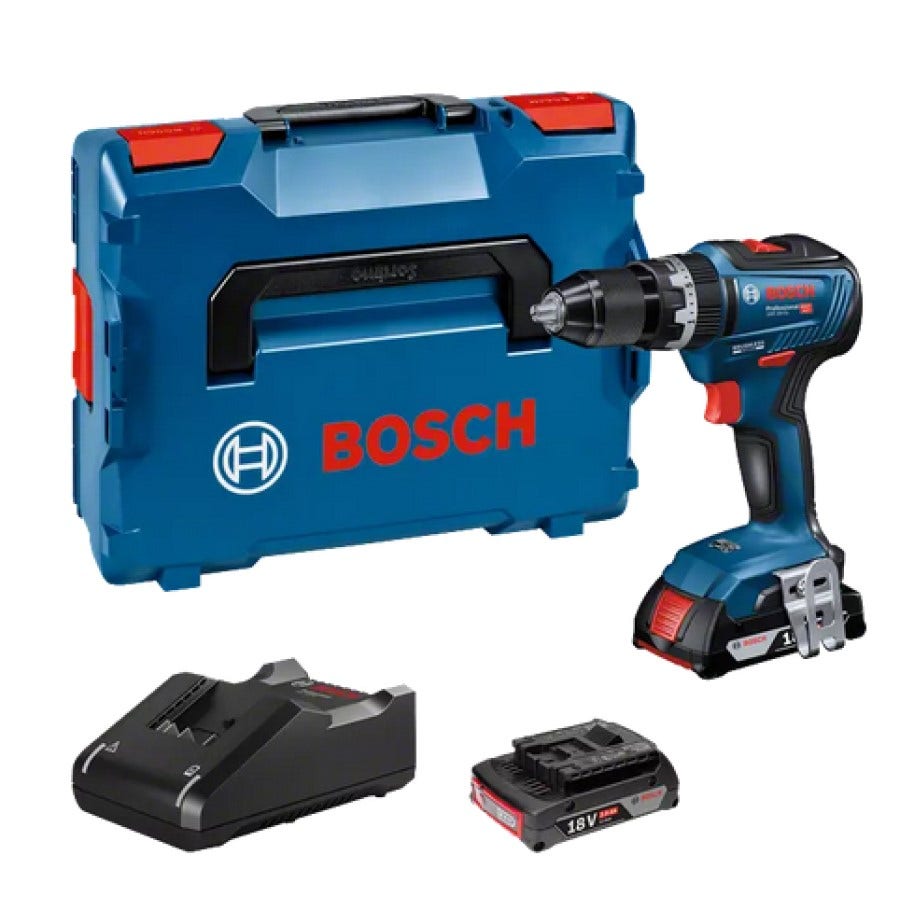
- Cordless combi drills and drivers for drilling holes and driving screws in wood, metal, and masonry.
- SDS hammer drills and cordless SDS Plus drills for heavy duty drilling in concrete, brick, or stone.
- Angle grinders used for cutting and grinding conduits, cable trays, and metalwork.
- Heat guns are ideal for heat-shrinking cable sleeves and loosening adhesives or coatings.
- GRABO suction lifters are battery operated lifting tools for safely handling heavy panels, tiles, and enclosures.
- Underground cable cutters for cutting and stripping large diameter power cables safely.
- Air compressors and petrol driven tools are used for pneumatic or field-powered operations.
- Orbital sanders and sawzalls (reciprocating saws) for finishing, trimming, and demolition work.
These tools help professionals work faster, safer, and with higher precision across diverse installation environments.
When selecting a power tool, consider:
- Material type, match the tool and accessory to your working material (e.g., masonry, metal, or wood).
- Power source, choose between corded, cordless, or petrol driven models based on mobility and runtime needs.
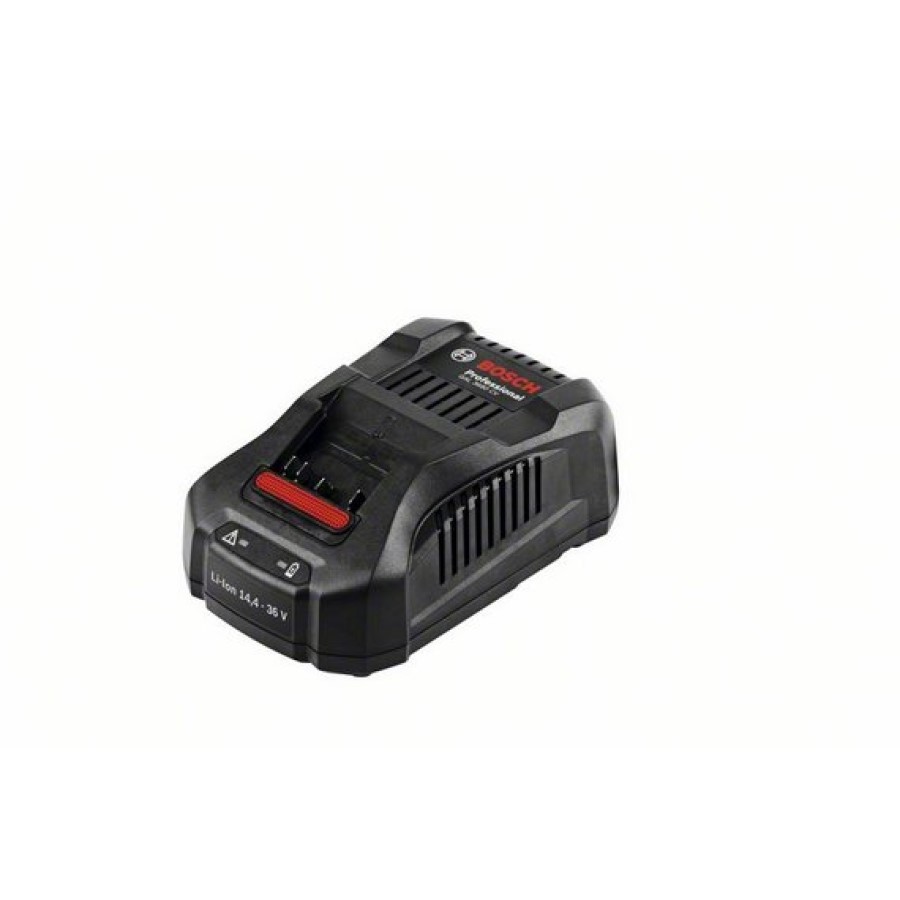
- Battery system, ensure battery and charger compatibility across your tool range for efficiency.
- Performance requirements, look at torque, RPM, and impact rate for drilling or cutting strength.
- Ergonomics and safety, opt for tools with anti vibration handles, overload protection, and dust control features.
Selecting the right power tool ensures maximum productivity and long term durability.
Benefits include:
- Mobility and flexibility, no need for power outlets or extension cables, ideal for remote or outdoor work.
- Efficiency, high capacity lithium-ion batteries deliver long runtimes and consistent power output.
- Safety, reduces trip hazards associated with cords and allows operation in confined spaces.
- Interchangeability, many professional ranges use shared battery systems across drills, saws, and grinders.
- Reduced downtime, quick charging batteries and dual-battery setups allow continuous operation.
Cordless tools are especially useful for telecom, fibre, and electrical installation teams working across multiple sites.
You should:
- Inspect regularly, heck for damaged cables, loose components, and worn accessories.
- Clean and store properly, remove dust and debris after use and store tools in dry conditions.
- Use correct accessories, only use cutting discs, drill bits, or blades rated for the tool’s power and speed.
- Battery care, charge batteries fully before use and avoid over-discharge to extend lifespan.
- Follow safety guidelines, always wear PPE such as gloves, goggles, and ear protection, and adhere to manufacturer recommendations.
Regular maintenance ensures performance reliability, operator safety, and extended tool life.