External Cabling
FAQs
External cable installation can be carried out using:
- Cable blowing machines for fast, low friction fibre installation over long distances using compressed air.
- Duct rods (cobra reels) for pushing pull ropes through ducts before pulling or blowing cables.
- Cable pulling winches for heavy duty installations, often with dynamometers to prevent over tensioning.
- Lubricants to reduce friction during pulls.
To choose the right ducing, consider:
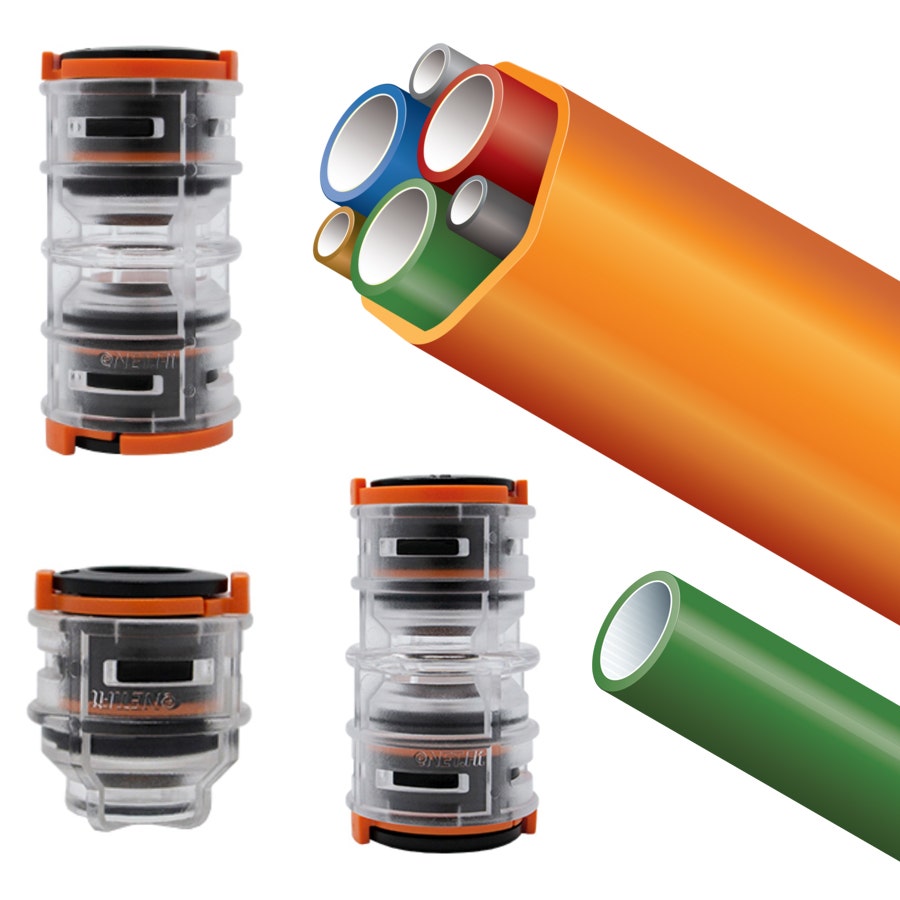
- Material, like HDPE ducting is common for flexibility and durability, PVC for more rigid applications.
- Diameter must accommodate current cable size plus any future upgrades.
- Colour coding is often used to identify different service types (e.g. orange for telecom, black for power).
- Compliance to ensure the ducting meets local utility and safety standards for burial depth, crush resistance, and UV stability.
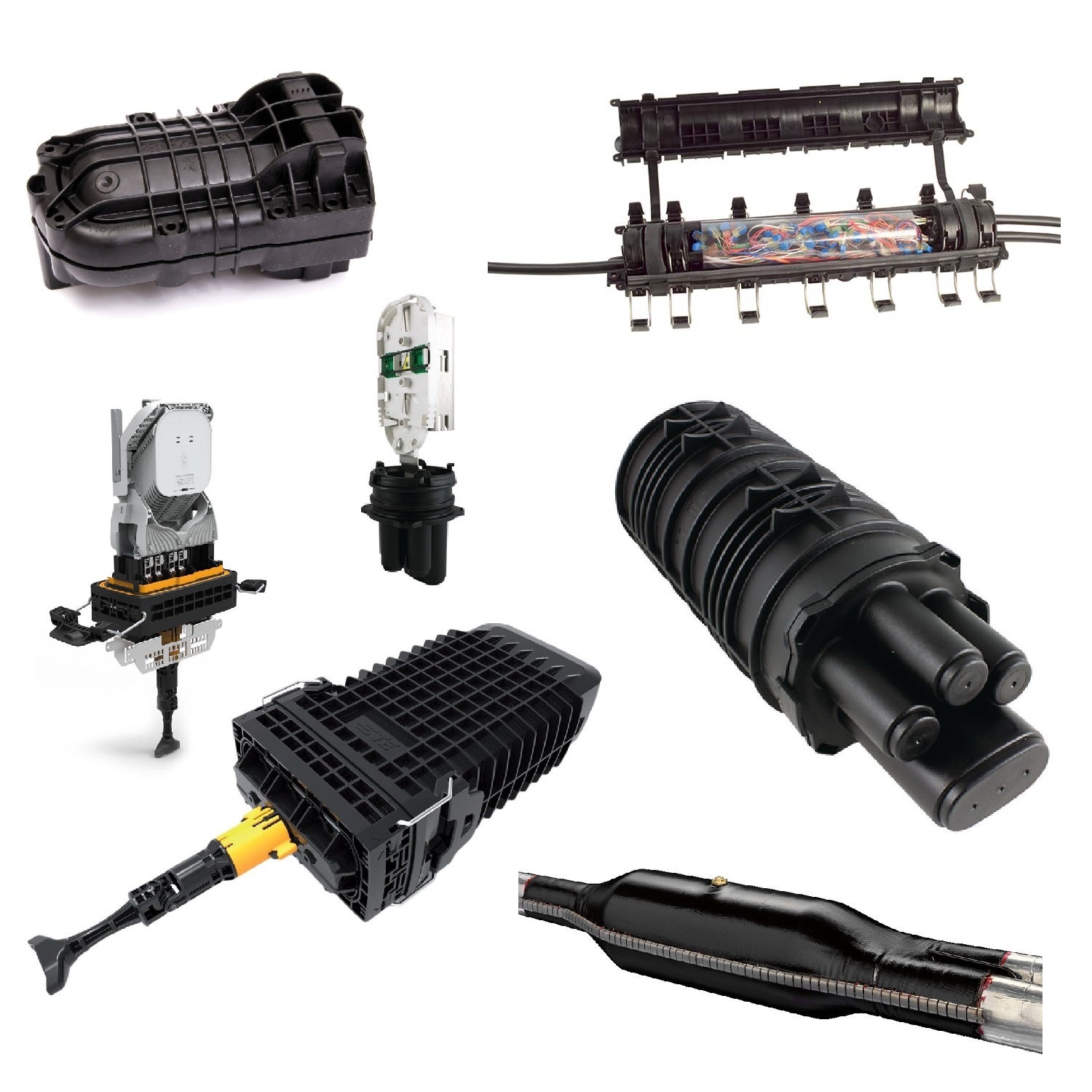
Jointing kits: Protect and seal cable splices from moisture, mechanical stress, and environmental damage, available for both copper and fibre.
External chambers (manholes or handholes): Provide safe access points for cable pulling, jointing, and maintenance. They also allow for route changes or future expansion without full excavation.
The tools used are:
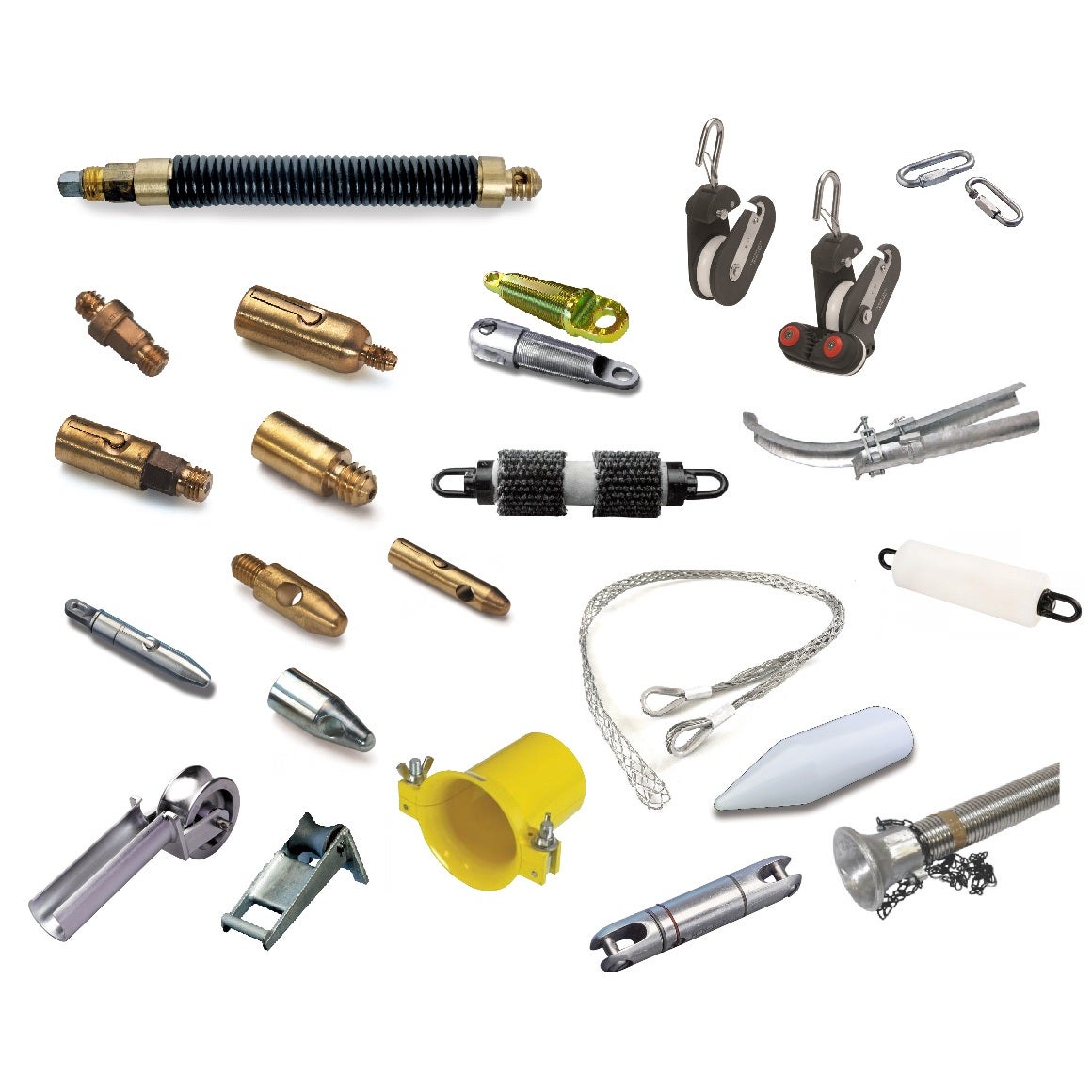
- Rodding equipment, like flexible fibreglass rods on reels, used to navigate ducts and carry a draw rope.
- Roping, like using the draw rope to pull in cables or to pull through a cable pulling rope for heavier loads.
- Accessories like rod end fittings, swivel connectors, and leaders to prevent snagging and reduce cable damage during installation.