Electrical Testing
FAQs
Electrical testing equipment is used to check voltage, current, continuity, safety, and live circuits in telecom, networking, and general electrical installations. Common tools include:
- Clamp meters measure AC/DC current without disconnecting the cable.
- Multimeters test voltage, resistance, continuity, and basic electrical values.
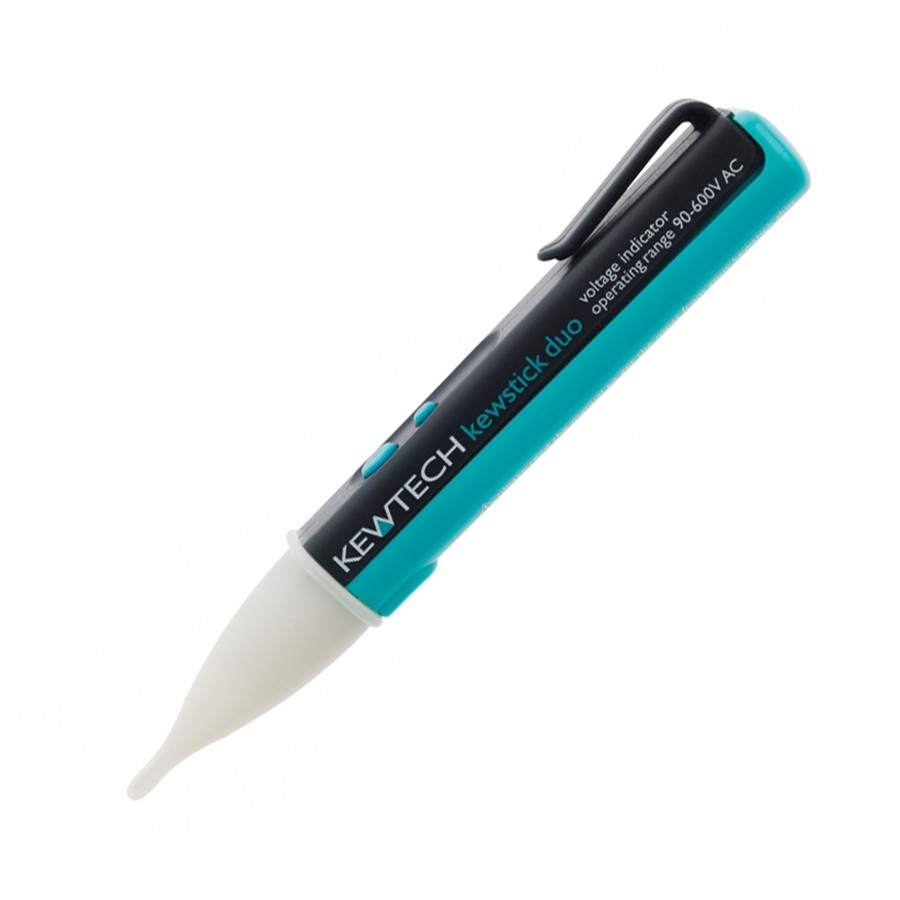
- Instant voltage testers quickly identify live circuits without direct contact.
- Electrical test leads provide safe, accurate connections between testers and circuits.
- Power cable detectors locate hidden electrical cables or identify live conductors.
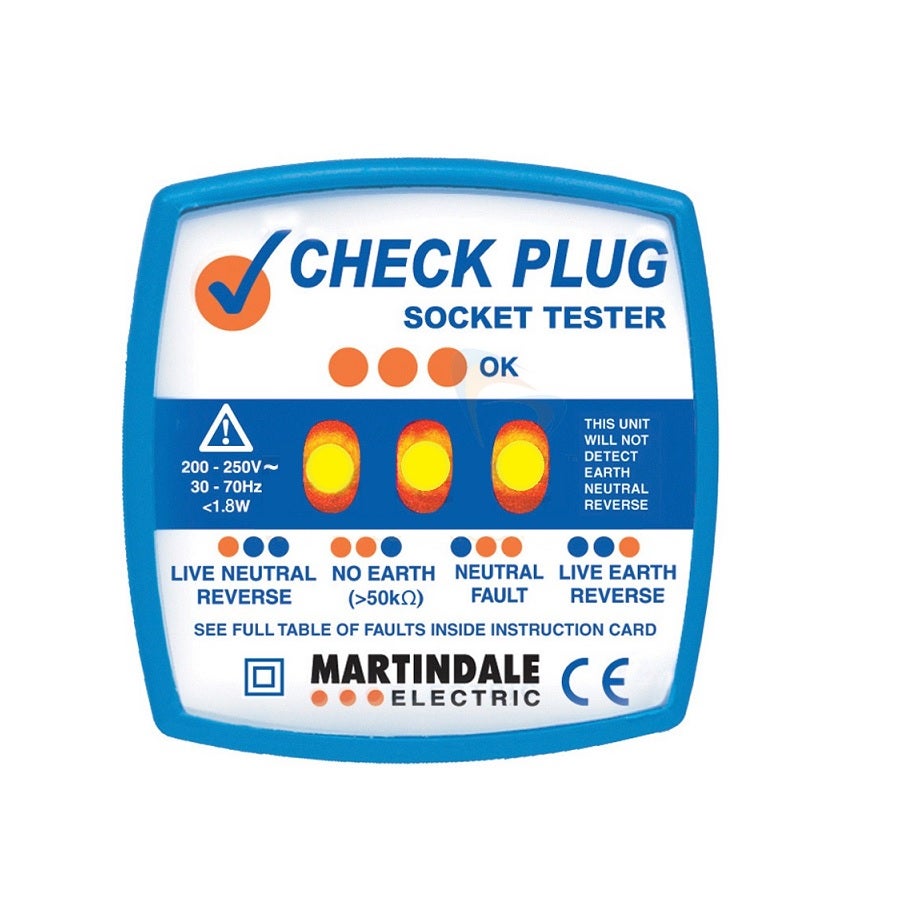
- UK mains socket testers check for wiring faults such as reversed polarity, missing earth, or incorrect connections.
These tools help engineers work safely, diagnose issues, and verify electrical compliance on-site.
Key features depend on the tester type:
- Clamp Meters
AC/DC current measurement
True RMS accuracy
Non-contact amperage testing
Large jaw opening for thick cables
- Multimeters
Voltage, resistance, continuity, and diode test functions
Auto-ranging for ease of use
Clear backlit display
Overload protection
- Instant Voltage Testers
Non-contact live detection
Audible/visual alerts
Sensitivity settings for various environments
- Cable Detectors
Depth detection
Live/neutral differentiation
Audible tone tracking
- Mains Socket Testers
Clear LED fault indication
RCD (safety trip) test button
Compatibility with UK 13A sockets
Choosing equipment with the right safety ratings and accuracy ensures reliable and safe measurements.
Consider the type of installation or troubleshooting you perform:
- Telecom or data cabling installers often need voltage detectors and socket testers to verify circuit safety before working.
- Electrical engineers require multimeters or clamp meters for diagnosing power issues.
- Maintenance teams benefit from cable detectors to locate hidden wiring.
- Commissioning roles may need a combination of testers to confirm correct wiring and load conditions.
If you frequently work on live circuits or overhead feeds, non-contact voltage testers and clamp meters offer added safety and convenience.
For safe and accurate testing:
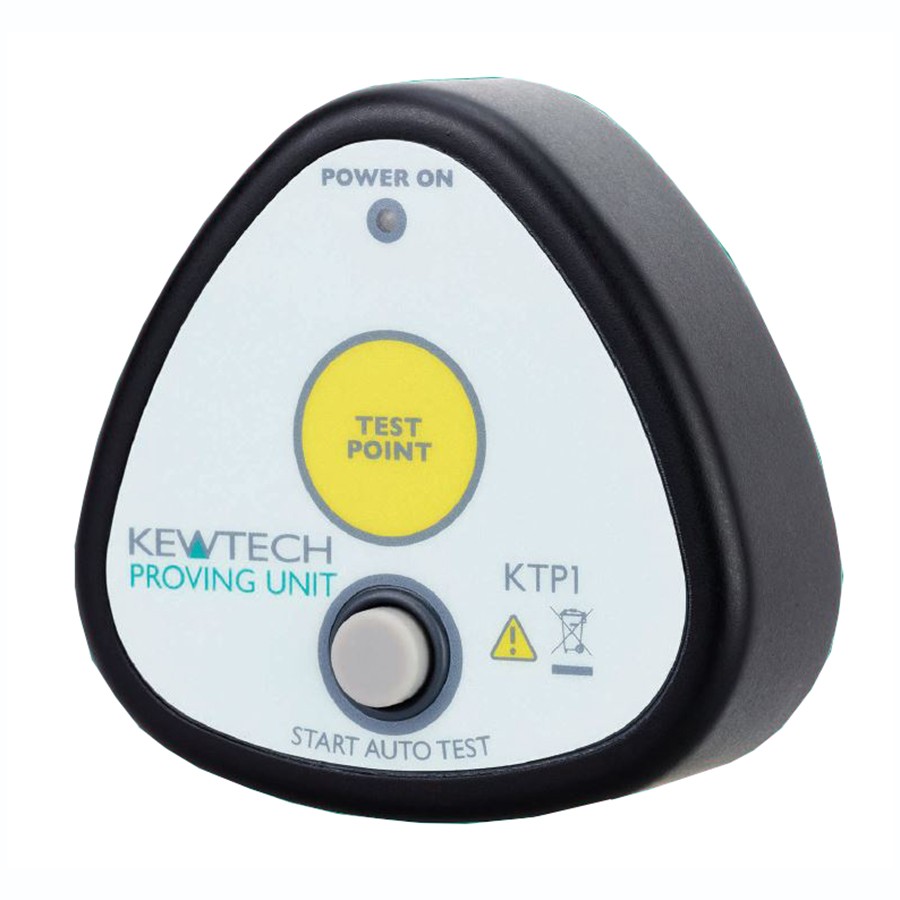
- Always verify the tester on a known live source before use.
- Inspect test leads for damage before connecting them.
- Never touch exposed conductors when testing voltage or current.
- Follow manufacturer specified Cat safety ratings for the environment.
- Use non-contact testers to identify live circuits before opening enclosures.
- When testing UK mains sockets, ensure the tester indicates correct polarity and earthing before plugging in equipment.
- Store tools securely and protect sensors/displays from dust and moisture.
Following these guidelines supports safe working practices and reduces the risk of electrical faults.