Nuts, Bolts & Washers
FAQs
Nuts, bolts and washers are used to secure equipment, brackets, enclosures, cabinets, frames and support systems on-site. They are commonly used in:
- Cable tray and ladder systems
- Mounting racking or server cabinets
- Fixing steel brackets and backboards
- Securing outdoor telecom cabinets and poles
- Mechanical joining of construction components
They provide strong, reliable fastening compared to screws.
Netceed offers a range of fastening types for different applications:
- Hexagonal bolts & nuts for general assembly and structural fixing
- Machine screws for electrical and telecom enclosures
- Threaded rod & accessories for hanging cable trays, ceiling supports
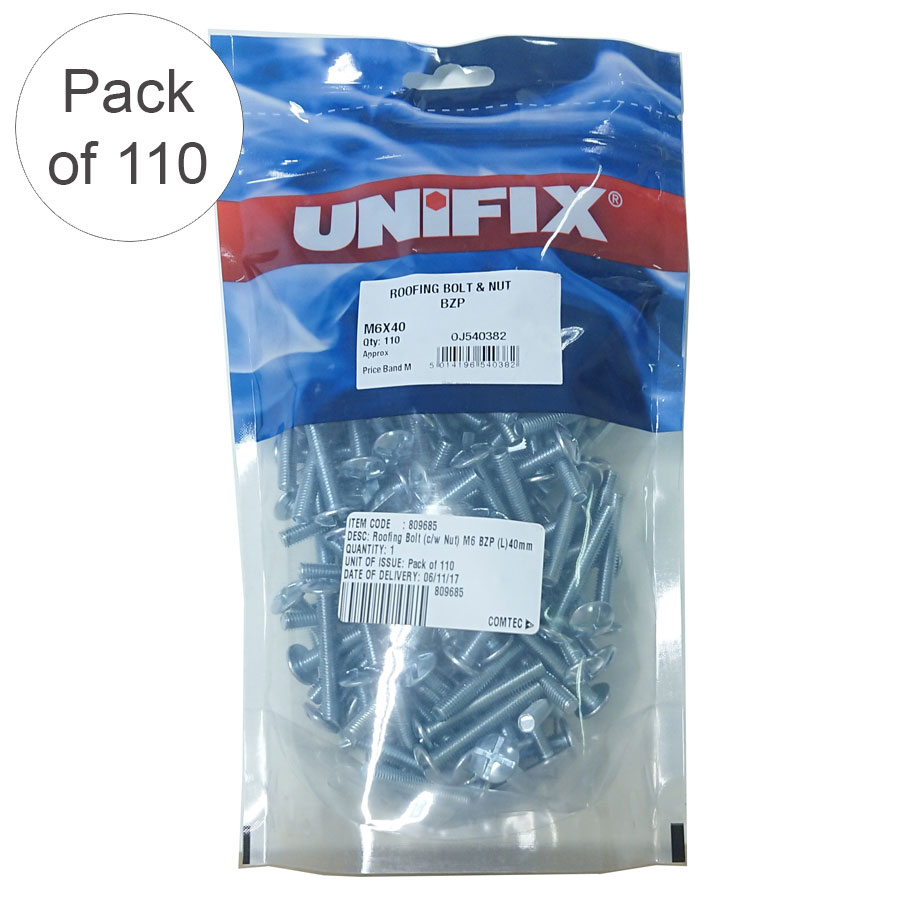
- Roofing & coach bolts for timber, outdoor and heavy duty fixings
- Flat/penny washers to pread load over larger surface
- Spring/lock washers to prevent fixings loosening under vibration
- Toothed (shakeproof) washers for electrical bonding and secure fastening
- Nut cap covers for weather and corrosion protection
Selecting the right material improves durability and corrosion resistance:
- Zinc plated steel for indoor use and light installations
- Galvanised steel for outdoor use, cable trays and brackets
- Stainless steel (A2/A4) for coastal, industrial or corrosive environments
- High tensile (8.8/10.9) for heavy load support and structural fixing
For telecoms and FTTx, galvanised or stainless steel is recommended for outdoor reliability.
Washers are important for secure and professional fastening:
- Use flat or penny washers to distribute load and prevent material damage
- Use spring or lock washers to stop vibration loosening on poles or masts
- Use toothed washers to improve electrical earthing contact
- Use cap nut covers for weather protection on outdoor fixings
Using washers improves holding strength, safety, and long term reliability.