Rigid Conduit
FAQs
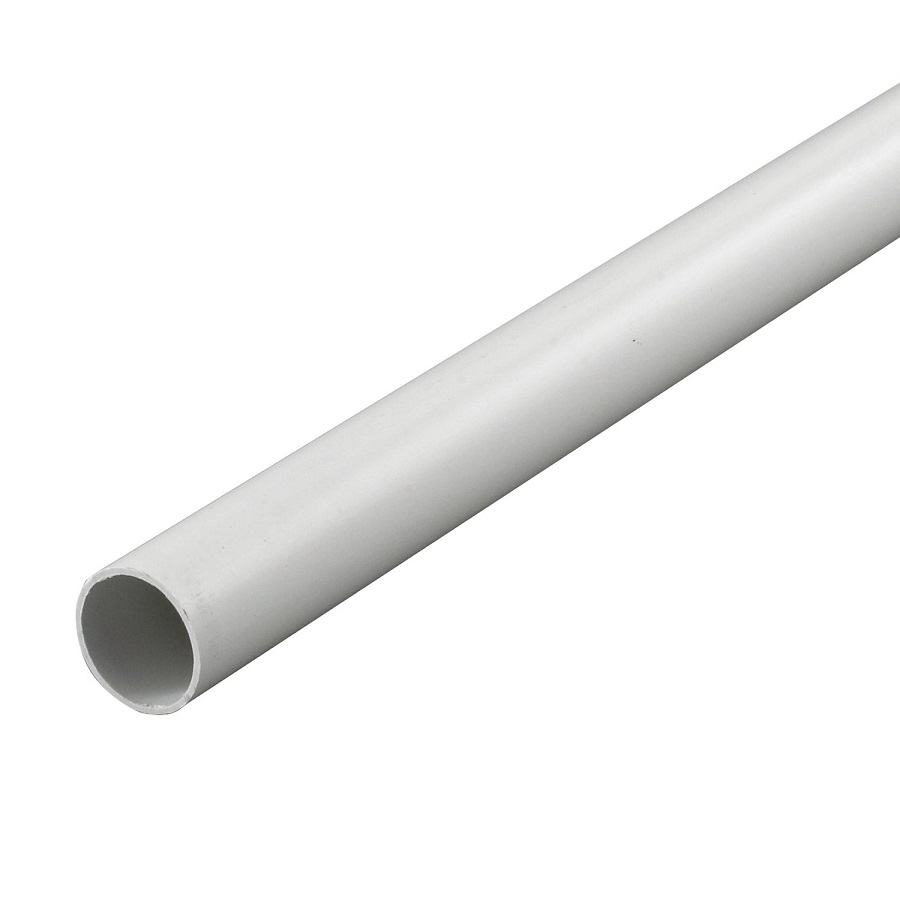
Rigid conduit is a strong, protective tubing designed to enclose and route electrical or data cables. It offers mechanical protection against impact and environmental hazards, making it ideal for industrial, commercial, and outdoor installations. Unlike flexible conduit, rigid conduit provides structural strength and a clean, fixed pathway for cables.
A full installation often requires:
- Circular junction boxes for branching or joining conduit runs.
- Adaptors and reducers to connect conduit sections of different sizes or transition to enclosures.
- Couplers to securely join two rigid conduit lengths.
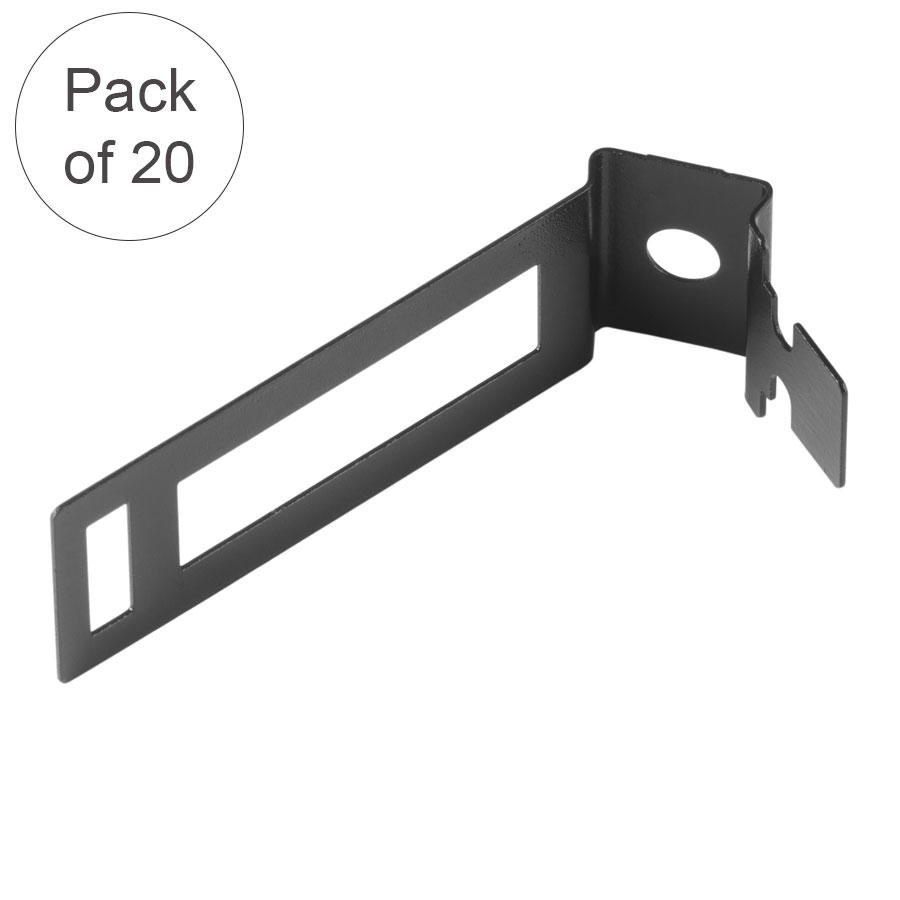
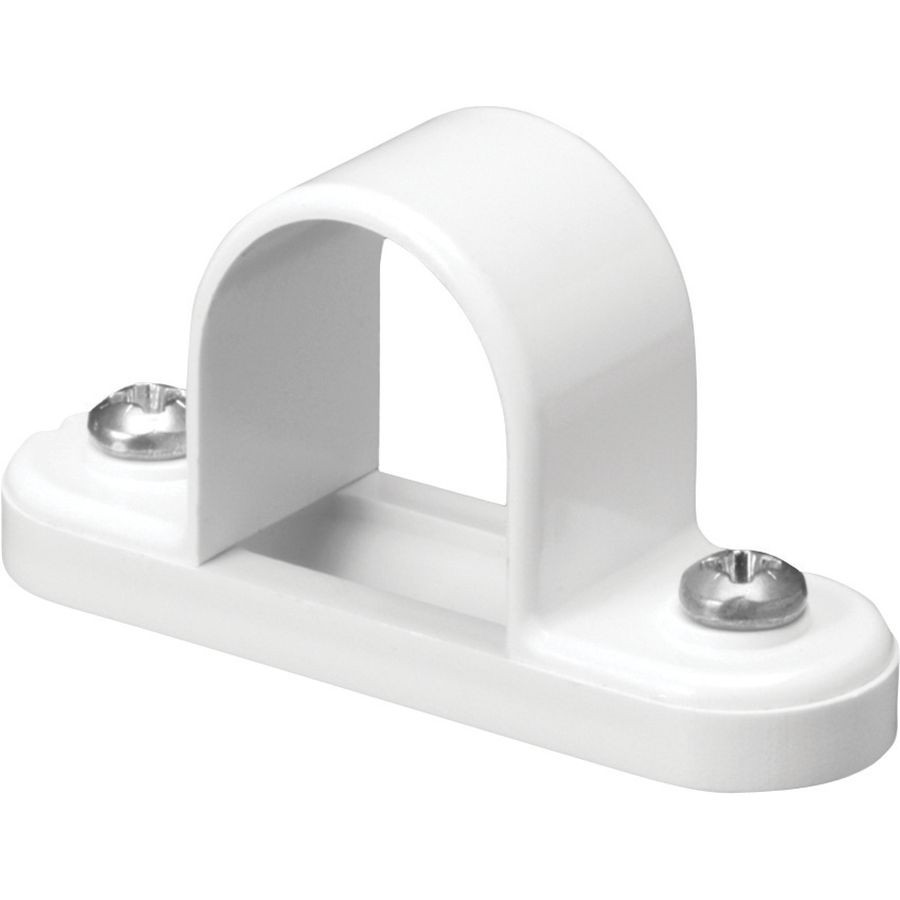
- Clips and saddles for fixing conduit to walls, ceilings, or supports.
- Inspection bends for routing cables around corners while allowing inspection and maintenance access.
- Bending springs to form bends in conduit without kinking.
Benefits include:
- Greater protection ad it shields cables from crushing, impact, and rodent damage.
- Neat appearance provides straight, professional looking cable runs.
- Fire resistance, many rigid conduits are noncombustible or flame retardant.
- Durability, it withstands harsh industrial and outdoor conditions better than flexible alternatives.
Consider:
- Material, like steel for heavy duty protection or PVC for lightweight, nonconductive runs.
- Size, match conduit diameter to cable volume and future expansion needs.
- Environment, like indoor, outdoor, or corrosive conditions may require galvanised or coated conduit.
- Accessories, select compatible couplers, bends, junction boxes, and saddles to complete the system.
- Compliance, ensure the conduit meets relevant safety standards (e.g. BS/IEC).