Soldering Equipment
FAQs
Soldering equipment is used to create secure, conductive connections between electrical components or wires by melting solder wire to join them. It is commonly used in telecom repairs, PCB work, connector assembly, grounding, and low voltage wiring. Soldering provides long lasting electrical contact and is often preferred for applications requiring signal reliability and durability.
Netceed offers a full range of soldering tools for professional use:
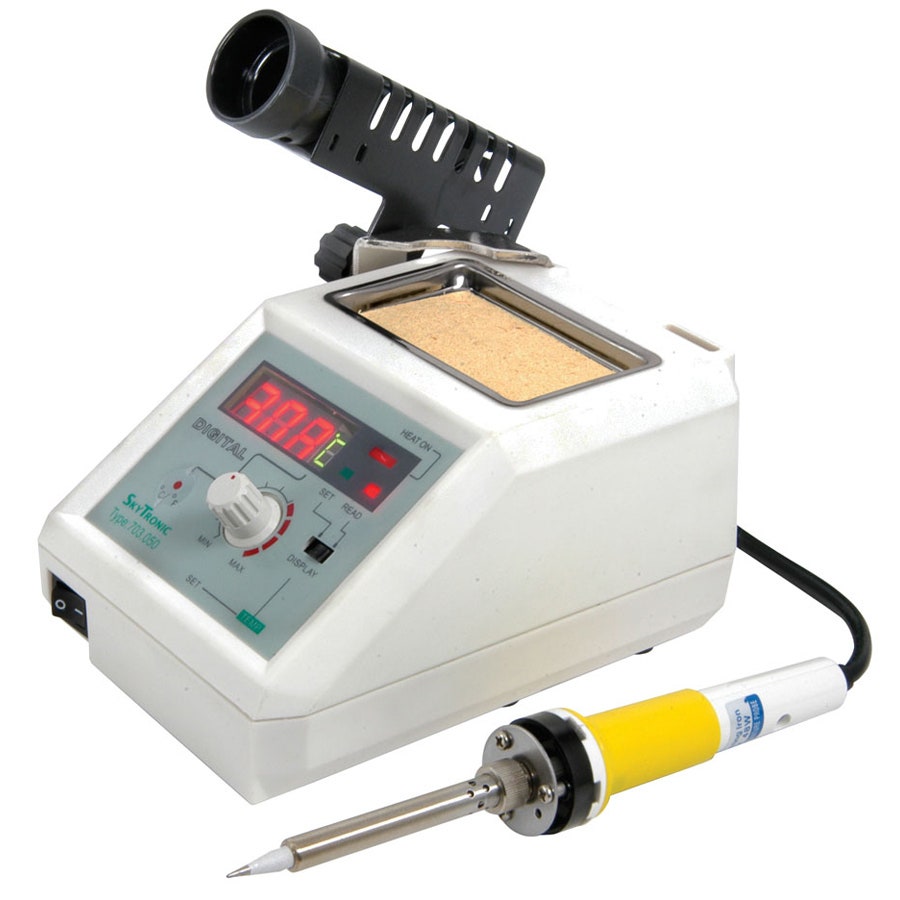
- 230V electric soldering irons are ideal for workshop use and consistent soldering performance.
- Battery powered soldering irons are portable, great for on site repairs where mains power isn’t available.
- Gas soldering irons/blowtorches are suitable for outdoor or field work, especially in telecom and fibre environments.
- Desoldering tools remove solder during repairs or component replacements.
- Helping hands & soldering stands secure components for accurate work.
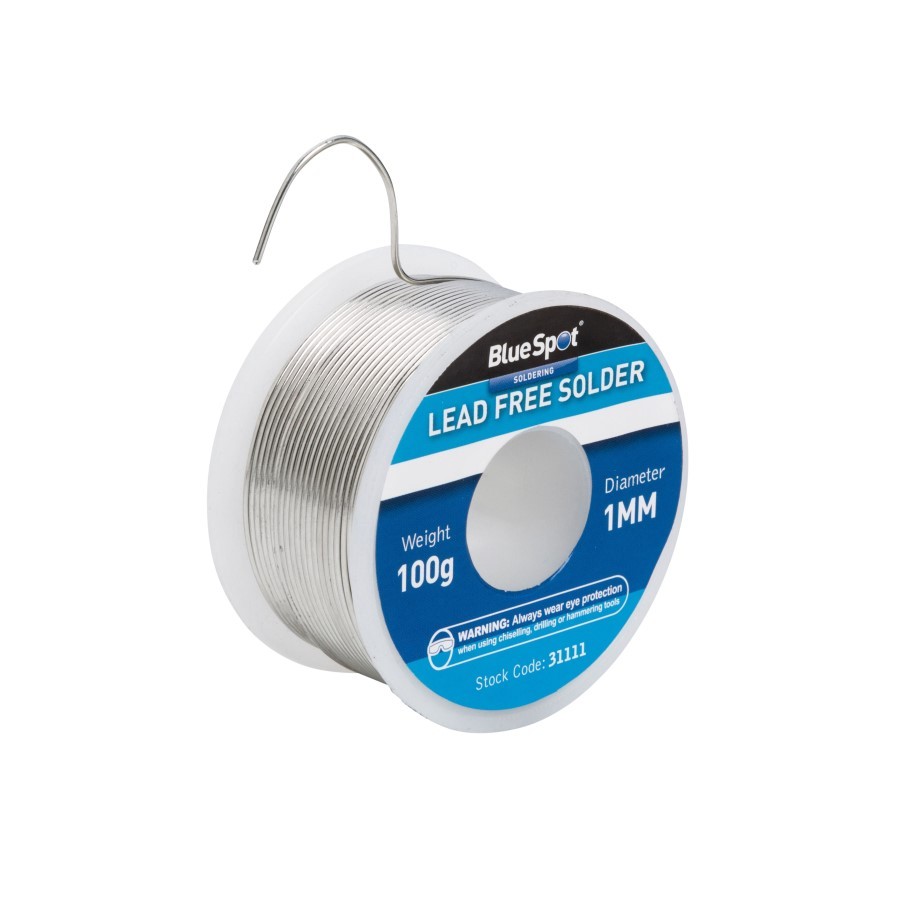
- Solder wire & fux are conductive alloys used to create the solder joint and improve flow.
- Hook and pick sets assist with positioning wires or removing insulation during prep work.
When selecting a soldering iron, consider:
- Power source, 230V irons for bench work, gas or battery for field use.
- Temperature control, adjustable temperature helps prevent damage to delicate components.
- Application type, use fine tips for electronics or PCB work, broader tips for cable lugs and larger connectors.
- Portability, choose cordless or gas options for telecom cabinets or off-grid locations.
- Safety features, look for heat resistant grips, stands, and automatic shut off options.
You should:
- Work in a well ventilated area to avoid inhaling fumes.
- Use heat resistant mats and soldering stands to protect work surfaces.
- Always allow tools to cool before storage.
- Wear safety glasses and heat-resistant gloves.
- Keep flammable materials away from gas irons and blowtorches.
- Use ESD safe soldering tools when working with sensitive electronic components.