Steel Trunking System
FAQs
Steel trunking is a durable cable containment system used to protect and route electrical, data, and telecom cables. It’s widely used in industrial, commercial, and heavy duty environments where mechanical strength, fire resistance, and long service life are essential. Unlike PVC trunking, steel trunking offers greater impact resistance and load bearing capacity, making it suitable for demanding installations.
A full system includes:
- Straight trunking lengths, the main enclosures for cable runs.
- Bends and tees for routing cables around corners or branching pathways.
- Reducers for transitioning between different trunking sizes.
- Couplers and fixings to securely join sections together.
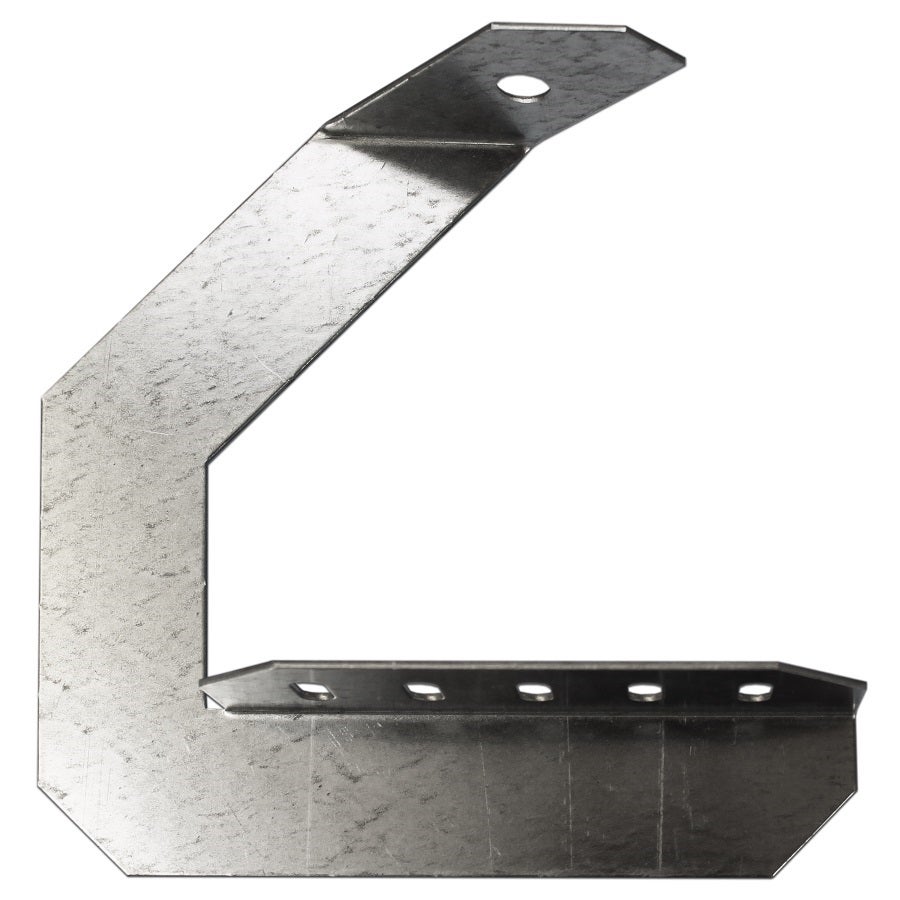
- Flange plates and hangers for mounting and supporting the trunking system.
- End caps for safely sealing and finishing open ends.
Benefits include:
- Strength and durability, it protects against impact, crushing, and tampering.
- Fire resistance as steel does not burn and offers better protection in high-risk areas.
- Capacity and scalability, it supports heavy cable loads and can be expanded with accessories.
- Professional finish, it provides a clean, enclosed route for cables while ensuring compliance with building regulations.
Consider:
- Cable volume, select trunking with enough space for current and future cables.
- Installation environment, choose galvanised or powder coated finishes for added corrosion protection in harsh or outdoor conditions.
- Routing needs, use bends, tees, and reducers to match building layouts.
- Compliance, ensure the trunking system meets local standards for fire safety and electrical installations.