Fibre Distribution & Breakout Boxes
FAQs
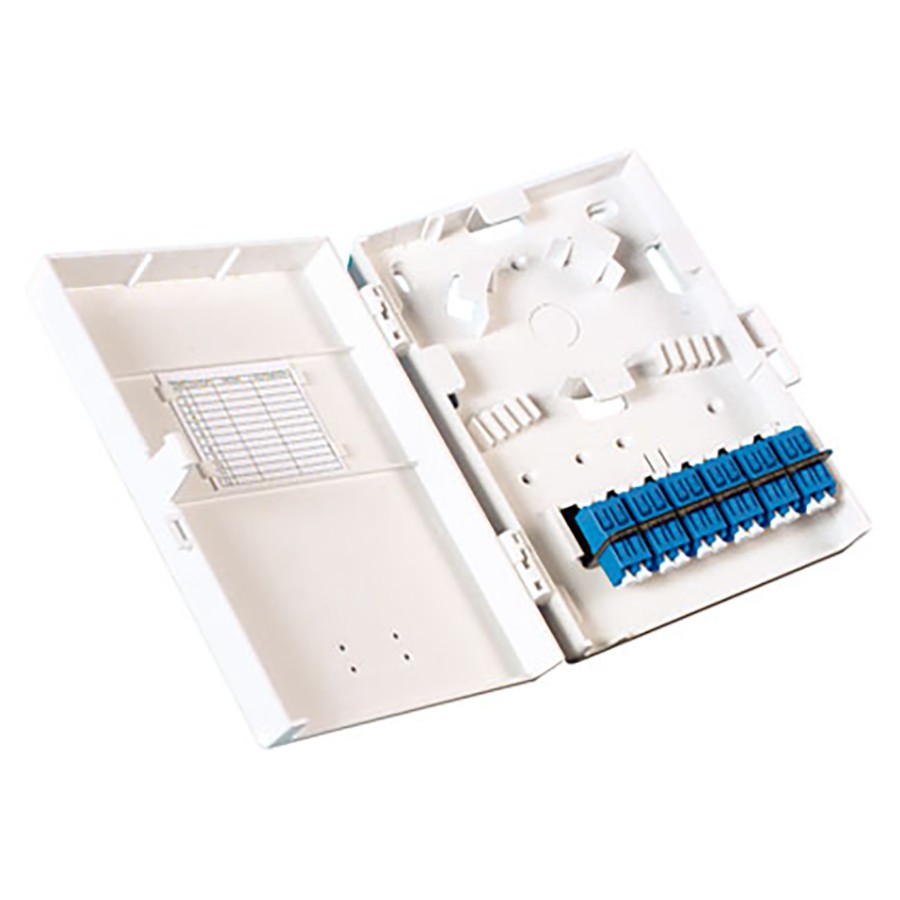
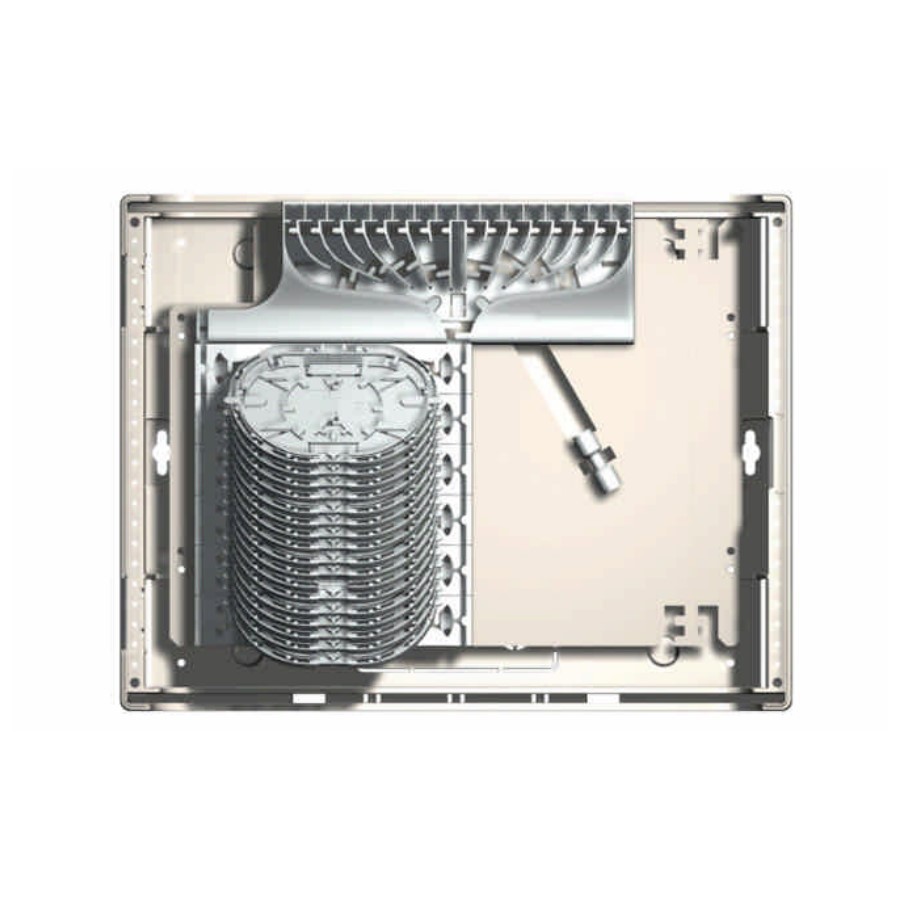
A fibre optic distribution or breakout box provides a secure enclosure for splicing, terminating, and managing fibre optic cables. They are used to protect delicate fibres, simplify cable routing, and give technicians an accessible point for patching or branching fibre connections. These boxes are commonly installed on walls, poles, or inside cabinets for FTTx, data center, and enterprise network deployments.
Breakout boxes are used to split multicore fibre into individual fibres for distribution or patching. Distribution wall boxes are designed to house multiple connections, often combining splicing, patching and cable management in one enclosure. Termination wall boxes provide a safe, compact point to terminate fibre cable at the customers premise or intermediate points in a network.
Key considerations include:
- Capacity, the number of fibres/ports supported.
- Ingress protection, like IP65-rated units for outdoor or dusty/wet environments.
- Security, like lockable or tamper proof enclosures for public or shared spaces.
- Mounting style, like wall mounted, pole mounted, or indoor vs outdoor housing.
- Cable management features, like internal splice trays, bend radius protection, and grommets for proper strain relief.
IP65 rated boxes are typically used for the outdoors, where dust, rain or environmental exposure is a concern. Lockable boxes are for office buildings, telecom rooms or shared infrastructure to prevent unauthorised access. For high security environments, tamper proof boxes are used, such as government facilities, utility networks and public installations. These features ensure network integrity, reliability and physical security across a variety of environments.