Screwdrivers & Keys
FAQs
Screwdrivers and keys are essential for assembling, fixing, and maintaining cabling systems, electrical enclosures, racks, and terminal blocks. Common types include:
- Slotted, Phillips & Pozidrive screwdrivers for general fastening in electrical installations.
- Hex and Torx screwdrivers/key sets are used on telecom hardware, rack systems, and industrial equipment.
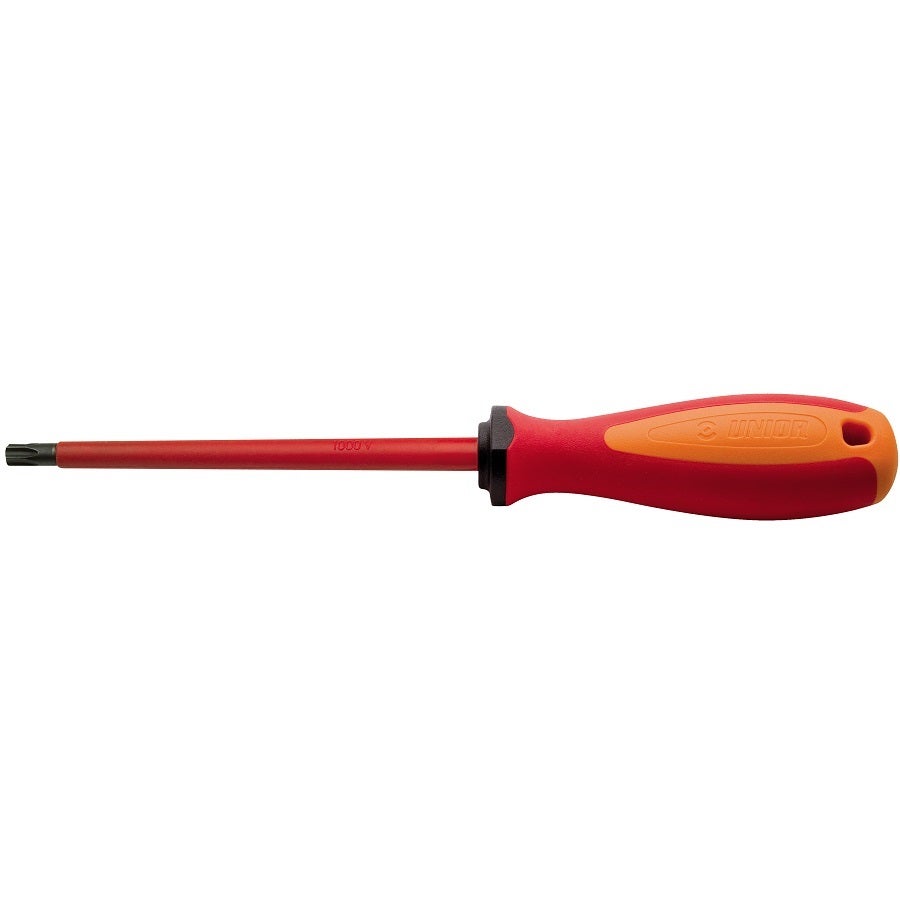
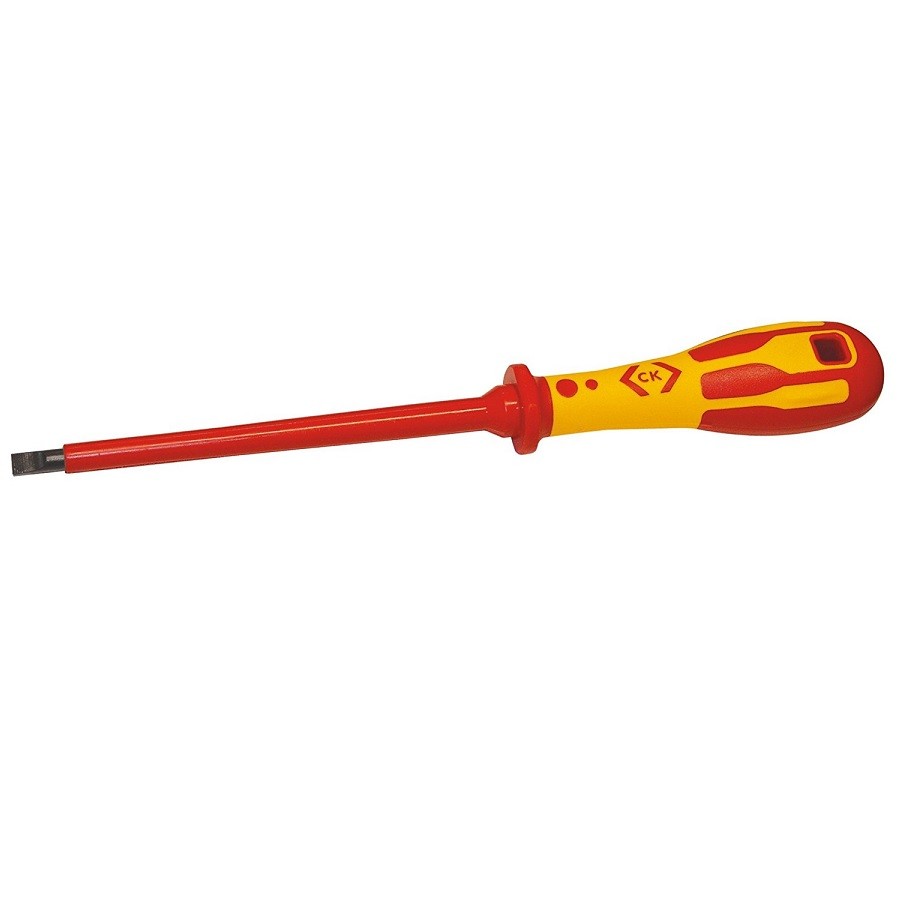
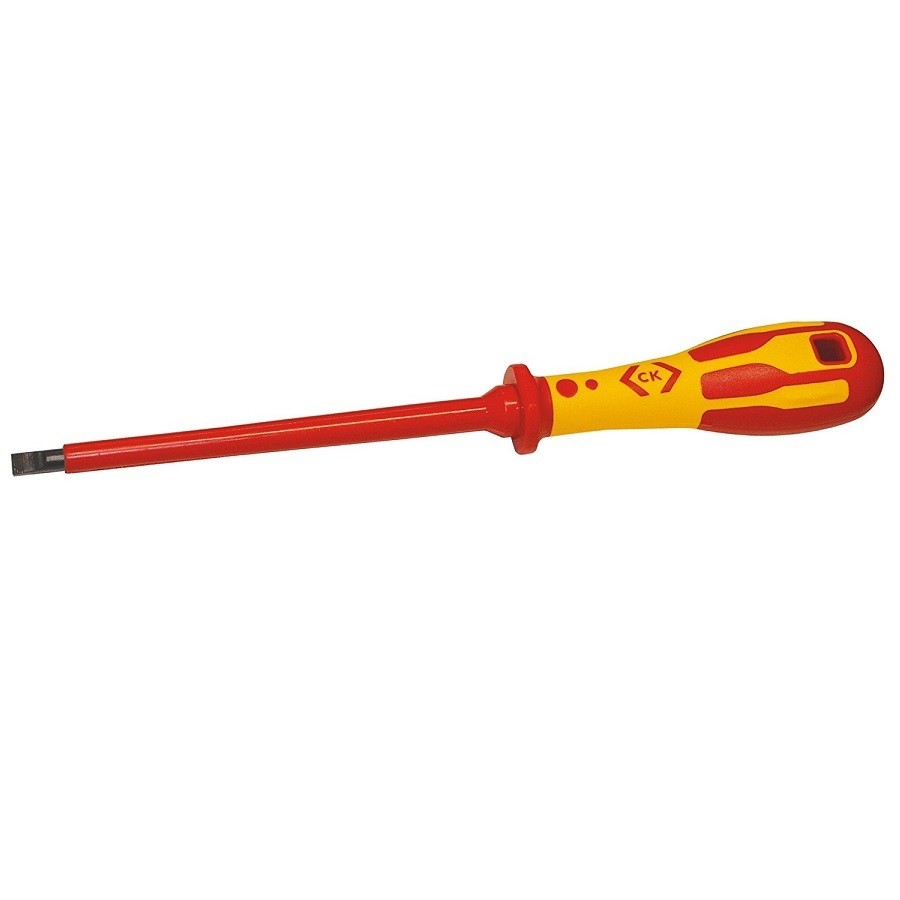
- VDE 1000V insulated screwdrivers are certified for safe electrical work up to 1000V AC.
- Torque screwdrivers ensure precise tightening to prevent over/under-torquing on terminals.
- Test Probes & Modulo screwdrivers are ideal for control panels and terminal testing.
- Magnetisers/Demagnetisers convert standard screwdriver tips for easier screw handling.
These tools are widely used by electricians, network engineers, and installation technicians.
Standard screwdrivers are suitable for general mechanical fastening but not safe for live electrical work.
VDE 1000V screwdrivers are tested and certified to EN/IEC 60900 safety standards, featuring insulated shafts and handles to protect against electric shock up to 1000V AC.
VDE screwdrivers are essential when working on distribution boards, terminal blocks, switchgear, and cabling connections where electrical safety is a priority.
Consider the following when selecting a tool:
- Screw type, match to fastener head: slotted, Phillips, Pozidrive, Torx, or hex.
- Application, use torque screwdrivers for precision terminals, bit sets for versatility, and Torx/hex keys for equipment assembly.
- Safety level, choose VDE insulated models for live electrical work.
- Magnetic tip, ideal for working in confined panels or overhead positions.
- Comfort and durability, look for ergonomic, anti-slip handles and hardened steel blades.
Choosing the right tool improves productivity, accuracy, and safety on-site.
Torque screwdrivers are designed for precise tightening to a specified torque level, preventing damage to electrical terminals and components. Benefits include:
- Protects sensitive electrical and network hardware
- Prevents over tightening and stripped threads
- Ensures compliance with manufacturer specifications
- Improves connection reliability and safety
They are particularly useful for termination blocks, control panels, switchgear, and structured cabling components.