Fibre Tools
-
Blown Fibre Tube Intercept Cutters
-
Dropfibre Stripping Tools
-
Duct & Microduct Cutting Tools
-
Duct Reaming Tools
-
Fibre Optic Buffer & Jacket Strippers
-
Fibre Optic Cleave Tile & Scribe Pens
-
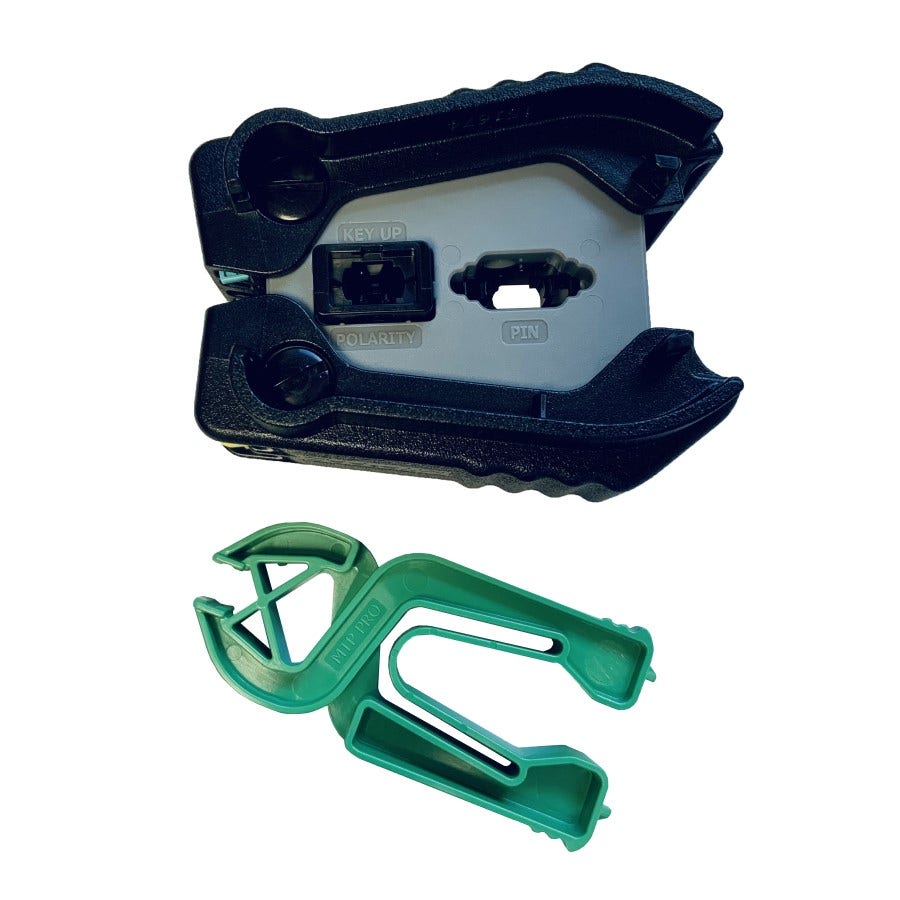
Fibre Optic Extraction Tools
-
Fibre Optic Kevlar Cutters
-
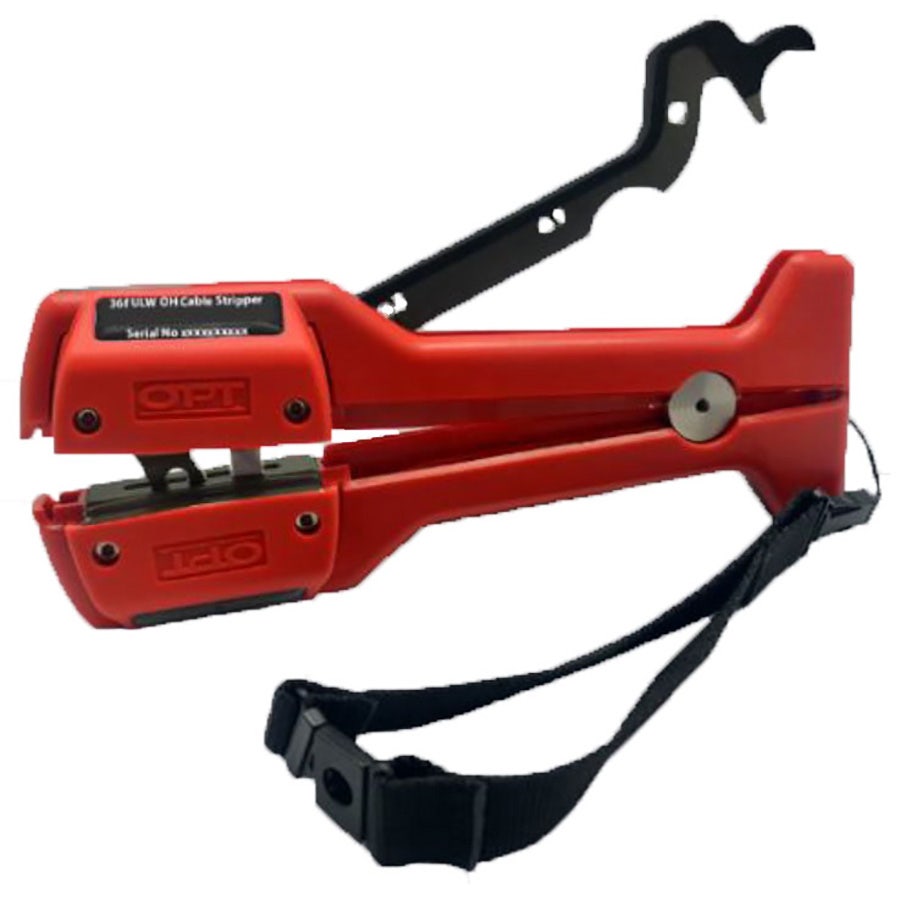
Fibre Optic Overhead Cable Strippers
-
Fibre Optic Polishing Pucks
-
Fibre Optic Polishing Work Mat
-
Fibre Optic Scoring Tools
-
Fibre Optic Sheath Stripper
-
Fibre Termination Tool Kits
-
Microduct Rounding Tools
-
Microduct Sheath Stripping Tools
-
Window Sheath Cutters
FAQs
Fibre optic installations require several preparation tools to safely strip, cut, and prepare cables:
- Buffer and jacket strippers remove outer jackets and fibre coatings without damaging the glass.
- Drop fibre strippers are specifically designed for delicate FTTH/FTTx drop cables.
- Scoring tools are for clean access to tight-buffered fibres or loose tubes.
- Kevlar cutters trim the tough aramid yarn strength members inside fibre cables.
Each tool ensures safe handling of the fibre and consistent results during termination or splicing.
Polishing pucks are used during connector termination. They hold connectors at the correct angle (LC, SC, FC, ST, etc.) while polishing fibre endfaces on a polishing film. This guarantees a smooth, consistent finish, reducing insertion loss and back reflection. Without polishing pucks, it’s difficult to achieve reliable, standards compliant terminations.
Duct cutting tools are engineered to cleanly cut plastic microducts and protective tubing without crushing or deforming them. This ensures blown fibre or pull-through fibre installations remain obstruction free. Standard cable cutters are designed for copper or fibre cable jackets, not for rigid ducting, using the wrong tool can damage the duct and compromise the installation.
Consider:
- For small installations (FTTH, office networks), a basic kit with strippers, Kevlar scissors, and cleaning tools is usually enough.
-For professional deployments (data centers, telecoms) full kits with precision cleavers, polishing pucks, duct cutters, and splicing preparation tools are recommended.
- For high volume work invest in professional grade, ergonomic tools with replaceable blades and long life components to improve efficiency and reduce errors.