Cleaning & Lubricants
FAQs
Even microscopic dust, oil, or debris on a connector endface can cause signal loss, reflections, or permanent damage to fibre optics. Dirty connectors are one of the leading causes of network faults. Regular cleaning ensures optimal performance, extended equipment life, and fewer costly service calls.
Common cleaning solutions include:
- Alcohol dispensers & cleaning fluids for removing oil, dust, and residue.
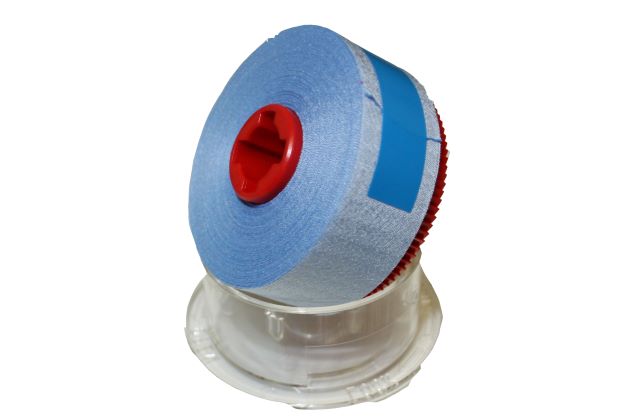
- Lint-free wipes and cleaning cloths to prevent scratching and contamination.
- Cleaning sticks/buds for inside ferrules and adapters.
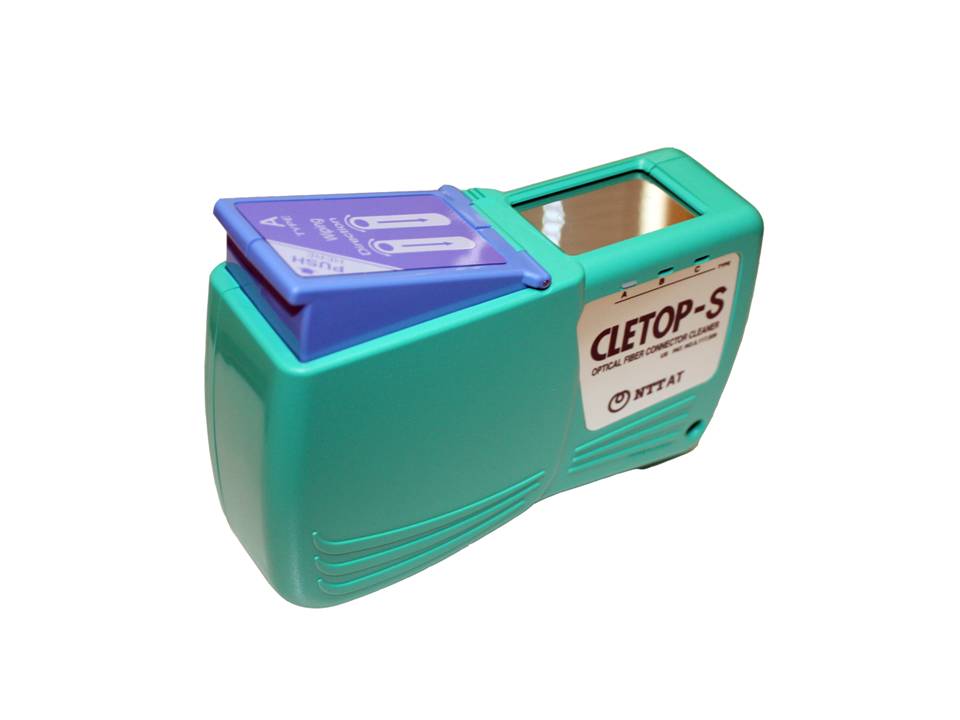
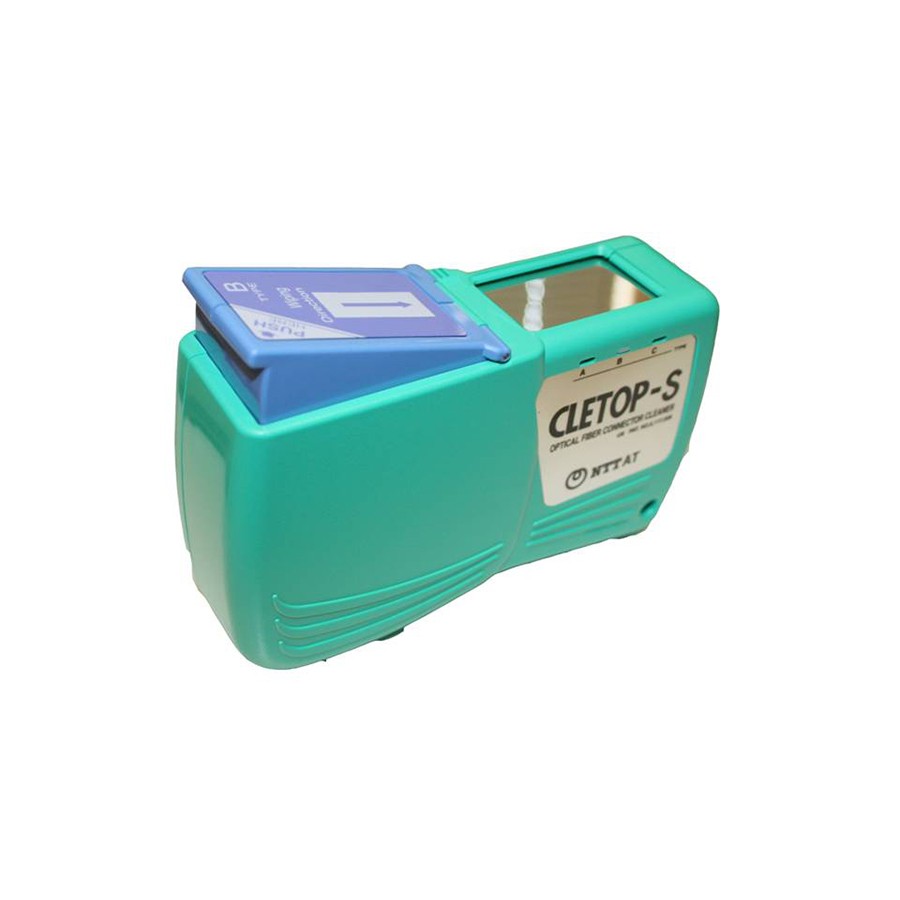
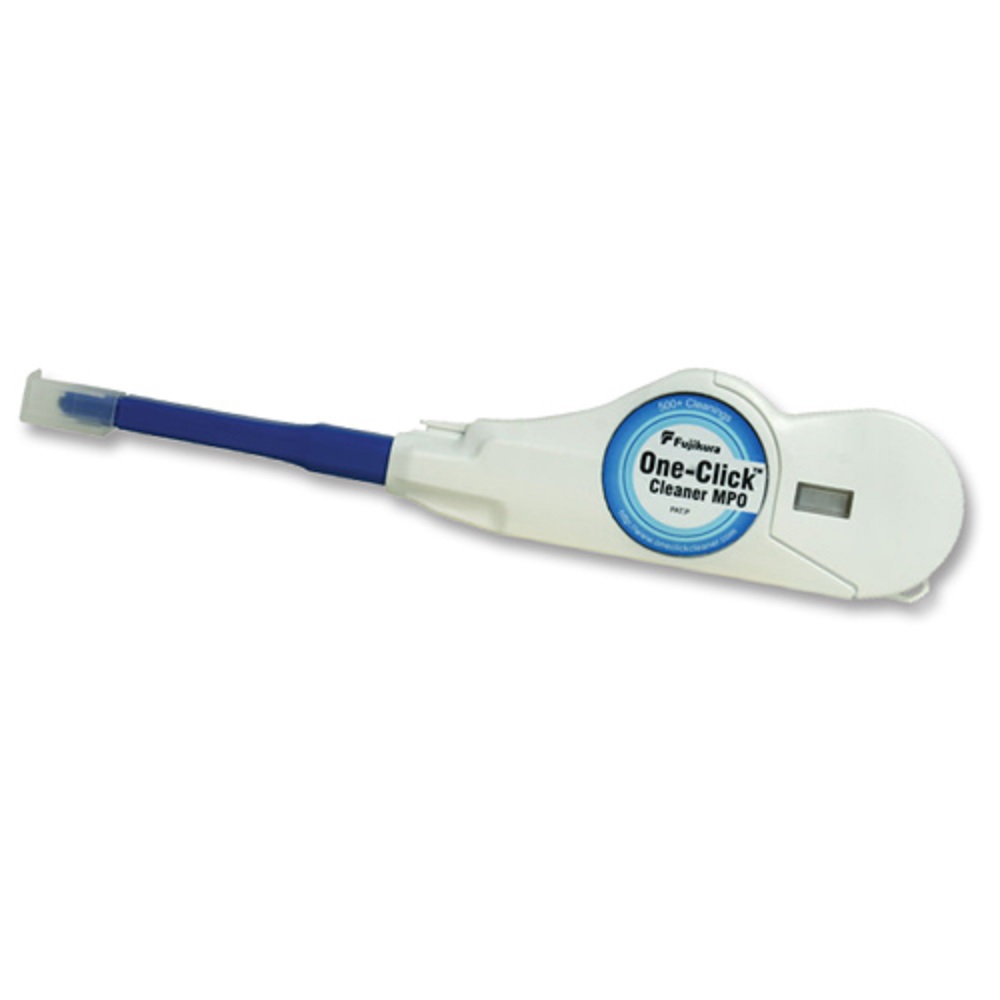
- Connector cleaning tools (“one-click cleaners”) for quick, consistent cleaning of LC, SC, MPO, and other connector types.
- Complete fibre optic cleaning kits provide all necessary tools in one portable case.
Step-by-step:
1. Inspect the connector with a fibre inspection scope.
2. Use a dry cleaning method first (e.g. one-click cleaner or dry wipe).
3. If contamination remains, apply wet-to-dry cleaning using cleaning fluid with a lint-free wipe, then finish with a dry pass.
4. Reinspect before reconnecting.
Never use household tissues, cotton swabs, or abrasive materials, as they can scratch or leave residue.
Cable lubricants are used during fibre installation to reduce friction when pulling cables through ducts or conduits. They:
- Prevent cable sheath damage.
- Reduce pulling tension and installation effort.
- Allow longer pulls without compromising fibre integrity.
They are especially recommended for tight ducts, long routes, or multiple bends. Always use lubricants formulated for fibre optic or telecom cabling to avoid chemical damage.